Over 2,500 years ago, one man showed the world a way to enlightenment. This beautifully produced Buddhist film by the BBC meticulously reveals the fascinating story of Prince Siddhartha and the spiritual transformation that turned him into the Buddha.
Widowed Welsh mother Anna Loenowens becomes a governess and English tutor to the wives and many children of the stubborn King Mongkut of Siam. Anna and the King have a clash of personalities as she works to teach the royal family about the English language, customs and etiquette, and rushes to prepare a party for a group of European diplomats who must change their opinions about the King.
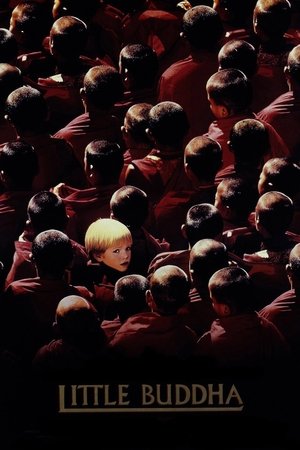
After the death of Lama Dorje, Tibetan Buddhist monks find three children — one American and two Nepalese — who may be the rebirth of their great teacher.
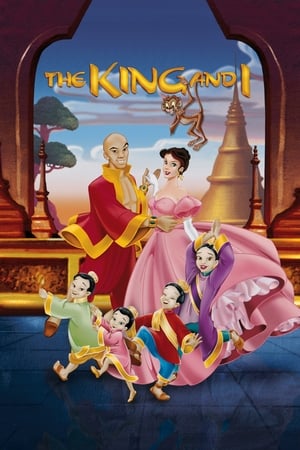
Widowed Welsh mother Anna Leonowens becomes a governess and English tutor to the wives and many children of the stubborn King Mongkut of Siam. Anna and the King have a clash of personalities as she works to teach the royal family about the English language, customs and etiquette, and rushes to prepare a party for a group of European diplomats who must change their opinions about the King.
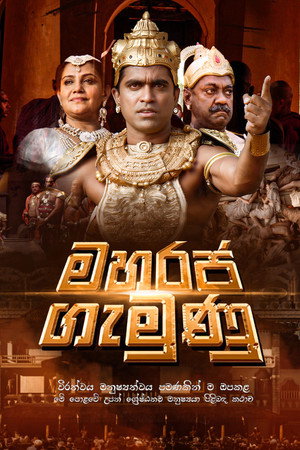
Maharaja Gemunu is based on the odyssey of King Gemunu (ruler of Sri Lanka 161–137 BC) who is renowned for defeating and overthrowing King Elara, the usurping Tamil prince from the Chola Kingdom, who had invaded the Kingdom of Rajarata in 205 BC.
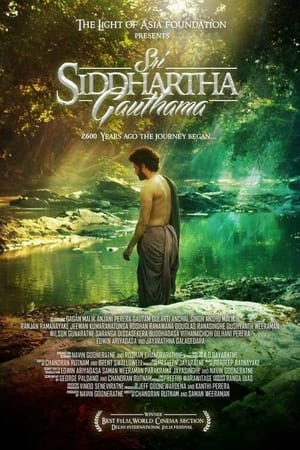
Sri Siddhartha Gautama is a Sinhala movie released on 24 January, 2013. The movie is directed by Saman Weeraman and featured Anchal Singh and Gagan Malik as lead characters.
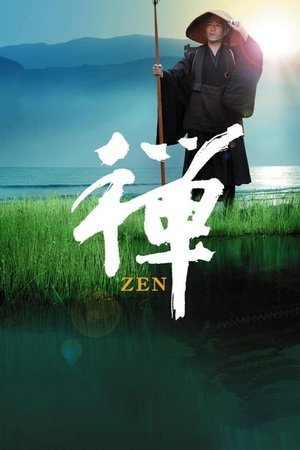
In the early 1200s, Dogen brought Chinese Zen philosophy to Japan, and established the Japanese Zen school of Buddhism. He taught that a person was capable of realizing Buddhahood within himself, by way of Zazen. Zazen is extended hours of sitting and meditating to achieve a state of “Mu” (nothingness, or empty existence).
Giovanni currently lives a dreary life of near non-stop work. At school, his peers ridicule him incessantly, and his employer at work is distant and cold. As his isolation from society becomes unbearable, he suddenly finds himself on a train heading far away from his miserable home. Accompanied by Campanella, an acquaintance from school, Giovanni embarks on a journey that will define the rest of his life.
Aloko Udapadi is a Sinhalese epic historical film based on the story of King Valagamba of Anuradhapura (89 – 77 BCE).
More than 50 years ago, the Tibetan Bon Buddhist tradition was driven from its refuge deep within the Himalayas. This is the story of the long and difficult journey that followed. Told through the lens of one Bon teacher born in exile -- Tenzin Wangyal Rinpoche -- this film reveals something very precious and very old: a rich spiritual heritage, hidden for millennia, whose secret teachings are only now becoming known to the world. There may be no unbroken spiritual tradition more ancient than Bon, which traces its beginnings to a buddha who predates Shakyamuni by thousands of years. Yet this tradition today may be facing its greatest challenge thus far: to preserve its rich heritage beyond the land of its birth.
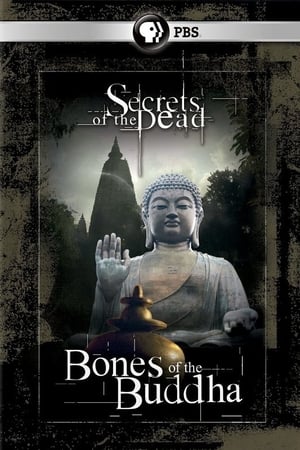
Bones of the Buddha is a 2013 television documentary produced by Icon Films and commissioned by WNET/THIRTEEN and ARTE France for the National Geographic Channels. It concerns a controversial Buddhist reliquary from the Piprahwa Stupa in Uttar Pradesh, India. It was released in May, 2013, and was broadcast in July 2013 in the US on PBS as part of the Secrets of the Dead series.
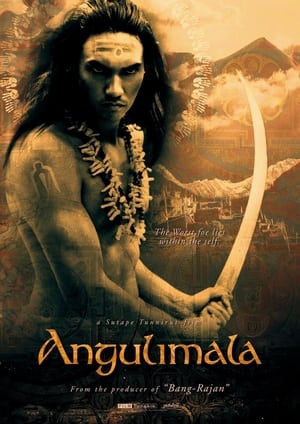
Arhingsaka was born in India to a noble family. Despite his noble birth, his horoscope showed to be born under the sign of thieves, and thus was preordained for a wicked life. On his 16th birthday his father sent him to complete his education and Arhingsaka became the teacher's favorite; the other jealous students told the master that Arhingsaka was flirting with the teachers wife. Deciding to punish his former star pupil, he told Arhingsaka : "You have almost completed your training; there is just one thing left to do. Once you finish your life of suffering will be over, and you will become a Bodhisattva. You must single-handedly kill 1,000 people"
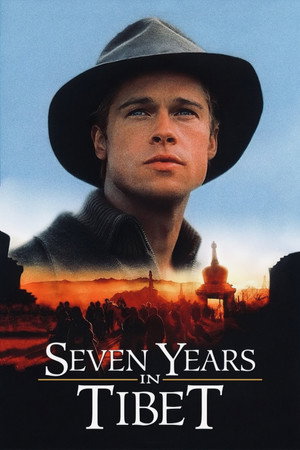
Austrian mountaineer Heinrich Harrer journeys to the Himalayas without his family to head an expedition in 1939. But when World War II breaks out, the arrogant Harrer falls into Allied forces' hands as a prisoner of war. He escapes with a fellow detainee and makes his way to Lhasa, Tibet, where he meets the 14-year-old Dalai Lama, whose friendship ultimately transforms his outlook on life.
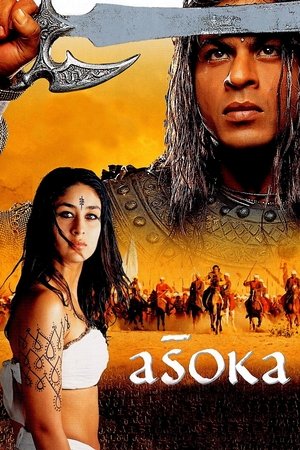
A young Prince Asoka works to perfect his skills in battle and also deals with family conflict. During a struggle with one of his step-brothers, his mother urges Asoka to escape to stay alive. While away, Asoka meets Kaurwaki and falls in love, but must use his skills as a warrior to protect her. A dangerous and heartbreaking web of conspiracy follows, which leads Asoka to embrace a Buddhist path.
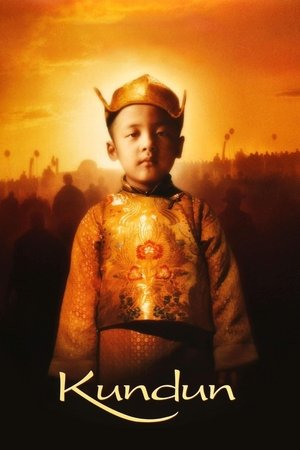
From childhood to adulthood, Tibet's fourteenth Dalai Lama deals with Chinese oppression and other problems.
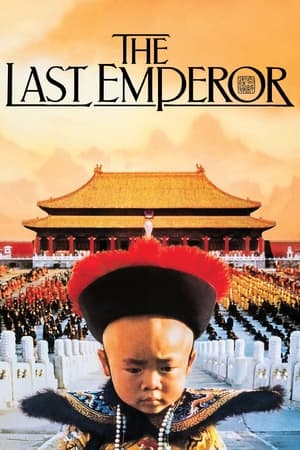
A dramatic history of Pu Yi, the last of the Emperors of China, from his lofty birth and brief reign in the Forbidden City, the object of worship by half a billion people; through his abdication, his decline and dissolute lifestyle; his exploitation by the invading Japanese, and finally to his obscure existence as just another peasant worker in the People's Republic.
Buddhist monks open up about the joys and challenges of living out the precepts of the Buddha as a full-time vocation. Controversies swirling within modern monastic Buddhism are examined, from celibacy and the role of women to racism and concerns about the environment.
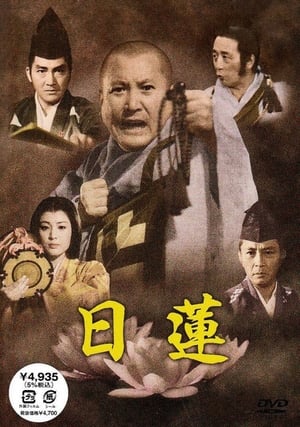
An epic drama about Nichiren's life. Nichiren was a Buddhist monk who lived for 60 years during the Kamakura period (1185-1333) in Japan. Nichiren taught devotion to the Lotus Sutra as the exclusive means to attain enlightenment. Because of his devout belief, Nichiren is met with opposition throught his travels, with life on the line, can Nichiren accomplish his goal?
Bimba Devi alias Yashodhara is a 2018 Sri Lankan Sinhala language epic, biographical drama film written and directed by professor Sunil Ariyaratne. This historical biographical film film depicts the life of princess Yashodhara, the wife of Prince Siddhartha.
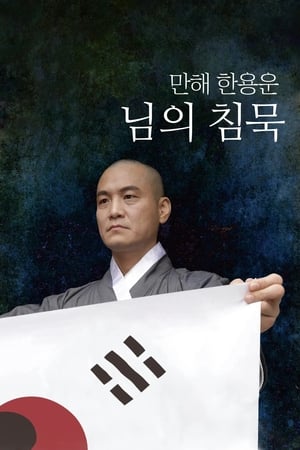
Donghak Rebellion (Donghak Peasant Movement) takes place in Hongjuseong (now Hongseong). Manhae, a boy who participates in the Donghak Rebellion as a 16-year-old, steals 1,000 nyang and sends it to military funds. At the age of 55, at Simujang in Seongbuk-dong, Manhae remarried while staying in a boarding house. While making a living by sewing his wife's wages, Manhae continues to resist Japanese imperialism by participating in the movement against the name change of the Chang clan and against the dispatch of Korean student soldiers along with writing. He takes over the military funds from Madam Baekhwa of Myeongwol in Yongjing. Lee Hwa-yeong hands over the military funds with Man-hae. In 1944, Manhae passed away at the age of 66. As the poem "Your Silence" flows, Manhae's achievements are introduced as highlights, and his subtitles flow.