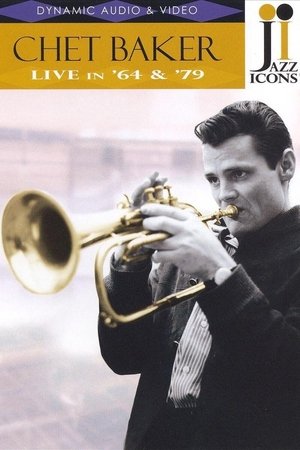
Chet Baker features two concerts by the foremost interpreter of the West Coast school of cool jazz. Filmed in Europe 15 years apart, these two shows seen together provide an overview of Baker’s illustrious career. The first show is a haunting 1964 performance in a Belgian TV studio with a quartet including long-time sidemen saxophonist Jacques Pelzer and French pianist Rene Urtreger. Songs include the Miles Davis classic, “So What,” and the jazz standard “Time After Time” (a very rare rendition featuring Chet’s “Cool” vocal style.) The soulful1979 set from Norway, with a trio featuring vibraphonist Wolfgang Lackerschmid, highlights the growth and maturity of this troubled but inspiring artist.
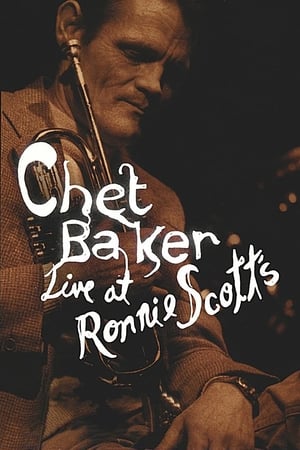
Chet Baker plows a uniquely individual furrow in the field of jazz. His trumpet playing is beautifully delicate and takes standard ballads into hitherto unexplored emotional territories. Here Chet is accompanied by Michel Grailler on piano and Riccardo del Fra on bass. Two of Chet's admirers also guest star here: Van Morrison and Elvis Costello.
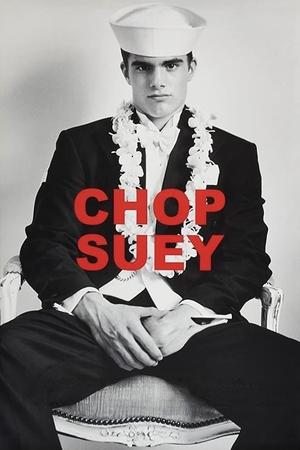
A homage to Bruce Weber's Favourite things, these being mixing film, photography and classic movies. With portraits of a lesbian jazz singer and a 16-year-old wrestler.
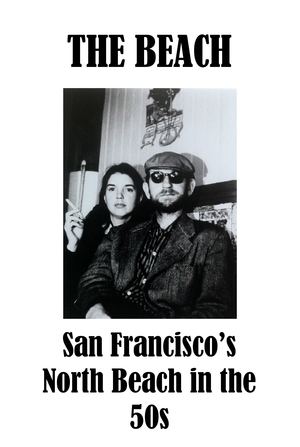
San Francisco's North Beach in the 50's - A mix of jazz, poetry and art - The Beach recreates the atmosphere that prevailed through first-hand accounts from the actual "players" along with photographs and artwork from that vibrant time.
In a bland, utilitarian world of order, one worker finds his inner jazz
Record label manager and producer Manfred Eicher established the record label ECM in 1969. He has been a key promoter of European - and Norwegian - jazz.
The musical traditions of the eastern and western worlds are bridged through the improvisations of Bombay, India-born percussionist/vocalist Trilok Gurtu. Gurtu’s mastery of post-bop jazz has not gone unnoticed. Downbeat magazine named him “best percussionist” in three critic and popularity polls and proclaimed, “musically, the world is his stage”. Jazz magazine, Straight No Chaser took a similar view, writing, “this music has a transcendental quality and removes any obstacles that lie between western and eastern improvised music.” Gurtu’s eclectic approach has enabled him to collaborate with most of the world’s greatest musicians. Tracklist 01. Jhuleal 02. Peace of five elements 03. Africa con India 04. Pasana’s Love 05. Dance with my lover 06. God rhythm
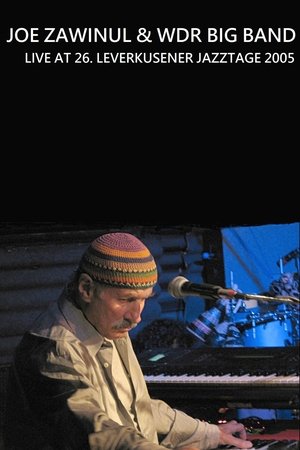
Zawinul is onstage with the WDR Big Band from Germany and a special international rhythm section. The music is a tribute to the pioneering 1970s fusion collective Weather Report, originally with Wayne Shorter on sax, Zawinul on keys, and later Jaco Pastorius on bass (among other personnel). Zawinul and the WDR play "Brown Street" and "Carnavalito." Arranger Vince Mendoza re-imagines this colorful, small-group music for Europe's longest-lived jazz orchestra. And they can play!
Tracklist: 1. Route 66 2. Medley: - Save Me - My Old Friend - Trouble In Paradise 3. Distracted 4. Wait For The Magic 5. Mornin' 6. Take Five 7. Lost And Found 8. Midnight Sun 9. Medley: - Step By Step - Breakin' Away - I Will Be Here For You (Nitakungodea Milele) 10. Boogie Down
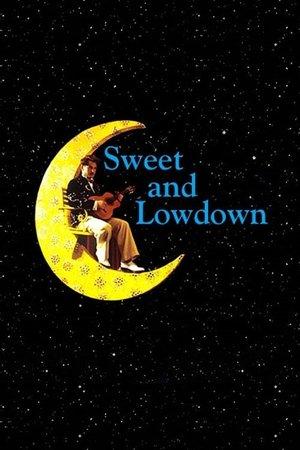
In the 1930s, jazz guitarist Emmet Ray idolizes Django Reinhardt, faces gangsters and falls in love with a mute woman.
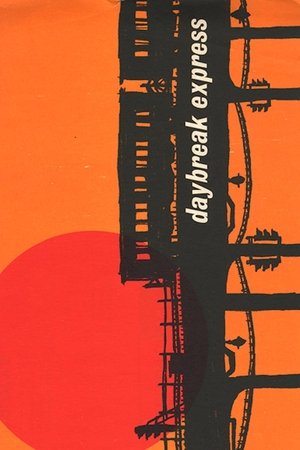
Set to a classic Duke Ellington recording "Daybreak Express", this is a five-minute short of the soon-to-be-demolished Third Avenue elevated subway station in New York City.
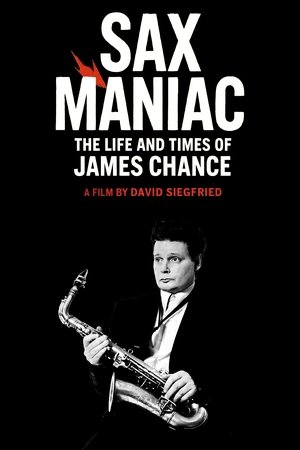
"Sax Maniac: The Life and Times of James Chance" delves into the groundbreaking career of James Siegfried, better known as James Chance or James White, a seminal figure in the late 1970s and early 1980s New York City "No Wave" music scene. Produced and directed by his brother, David Siegfried, the documentary chronicles James's journey from his early days in Milwaukee, Wisconsin, where he first explored jazz and protopunk.
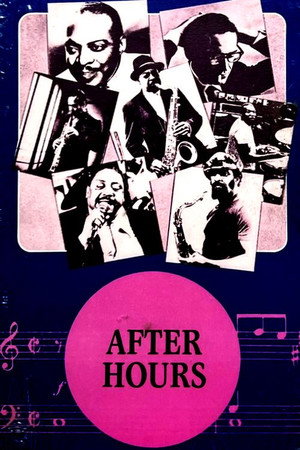
Documentary short showcasing the genius of jazz greats Coleman Hawkins, Roy Eldridge, Cozy Cole, and Milt Hinton, among others.
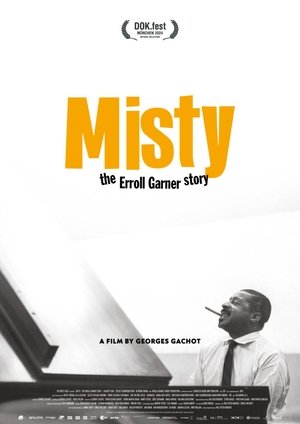
The brilliant self-taught pianist Erroll Garner left his mark on jazz forever. His song Misty, which he allegedly composed between two concerts on an aeroplane, immediately became one of the great jazz standards and is still one of the most covered ballads in the world today. Who was the man behind the ever-friendly smile from the ghettos of Pittsburgh, whose talent brought him to the biggest international stages?
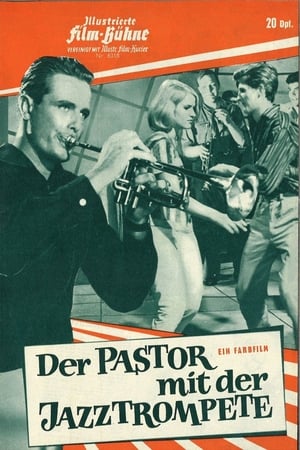
When the Lutheran pastor Roland retires, the young priest Roll shall replace him. He plays the trumpet, loves Jazz and his methods are unconventional: From the first day on he offends the village's notables, but he doesn't care so much since he especially targets the youths, wants them to get back to the church again. However the mayor agitates against him, manages to endanger Roll's success. The conflict leads to vandalism and open violence against Roll.
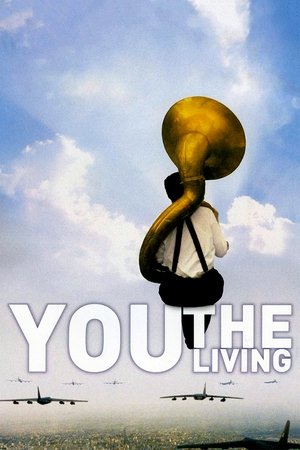
In the Swedish city of Lethe, people from different walks of life take part in a series of short, deadpan vignettes that rush past. Some are just seconds long, none longer than a couple of minutes. A young woman remembers a fantasy honeymoon with a rock guitarist. A man awakes from a dream about bomber planes. A businessman boasts about success while being robbed by a pickpocket, and so on. The absurdist collection is accompanied by Dixieland jazz and similar music.
Brüder Kühn: Zwei Musiker spielen sich frei
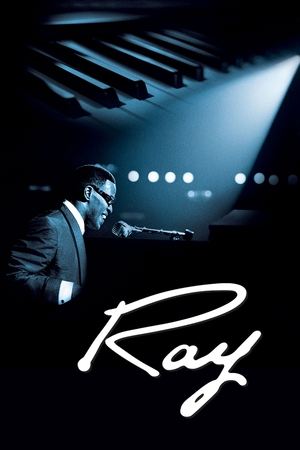
Born on a sharecropping plantation in Northern Florida, Ray Charles went blind at seven. Inspired by a fiercely independent mom who insisted he make his own way, He found his calling and his gift behind a piano keyboard. Touring across the Southern musical circuit, the soulful singer gained a reputation and then exploded with worldwide fame when he pioneered coupling gospel and country together.
A documentary about the jazz standard and it's roots in Jewish and African-American culture/
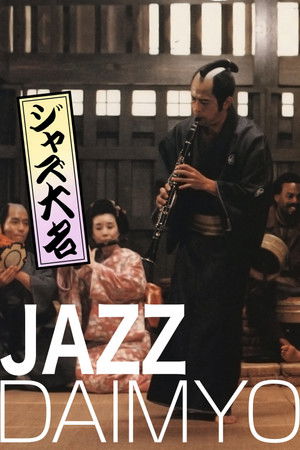
Shipwrecked African-American slaves arrive in the midst of Bakumatsu-era Japan; they soon carve out a niche in the market with their musical talents.