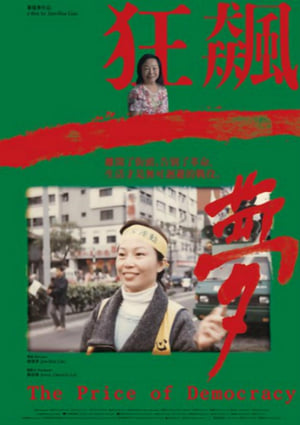
The expressions of democratization are usually interpreted by elites from two different parties but neglect the real faces/ life of every individual among the resistance rally. The director (a confused twenty-something) looks back upon the 40-year-history of democratization of Taiwan through the life experiences of two old-timers (who are grass-root rebels). He attempts to discover what causes their actions and decisions to be lefties, and what are their limitations.
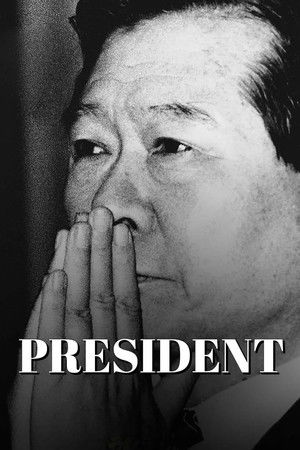
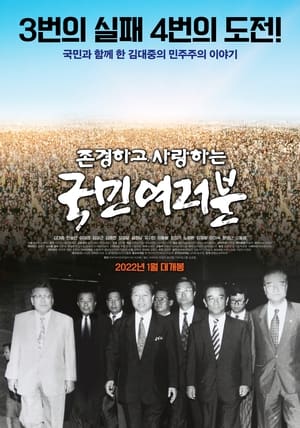
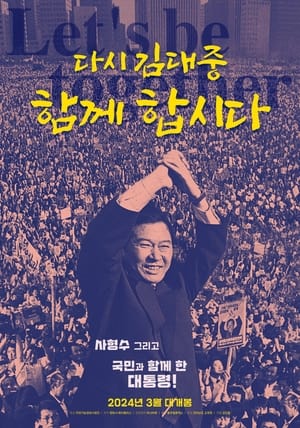
This documentary celebrates the life of former President Kim Dae-joong, who fought for democracy in South Korea and peace in the Korean Peninsula. It marks the 10th anniversary of his passing and covers his challenging journey, from his childhood on an island to his imprisonment, exile, near-death experiences, and ultimately becoming the president.
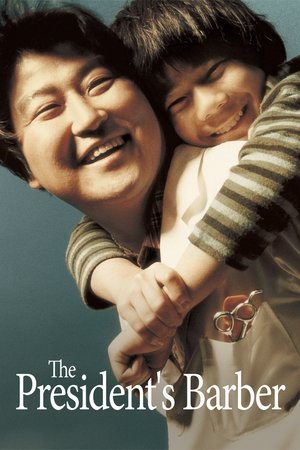
A well-meaning but politically naive barber gets pulled into the inner circle of the South Korean dictator Park Chung-Hee, with rather baleful consequences for his hapless family. This sharp political satire covers roughly twenty years in South Korean political history, from the viewpoint of the barber's son.
Choi Jinbae from Korea and Nyein Thazin from Myanmar are an international couple. They married seven years ago in Mandalay and, after a ceremony in Korea, planned to return. But COVID-19 left them stranded in Seoul. One day, a photo arrives from Myanmar showing a village destroyed by the coup. Urged by fellow Myanmar people to share their country's reality with the world, Choi picks up a camera. An ordinary family's life is suddenly thrust into questions of pain, solidarity, and the ethics of bearing witness.
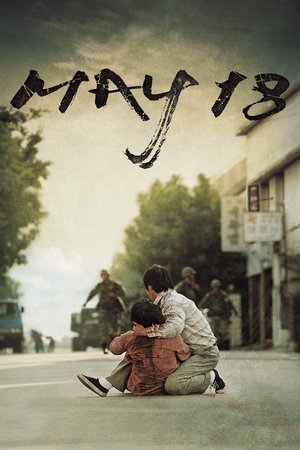
The citizens of Gwangju lead a relatively peaceful life, until one day the military takes over the city, accusing the residents of conspiracy and claiming that they are communist sympathisers preparing a revolution against the current government. Seeing as the soldiers beat defenceless people, mainly students, to death, the citizens are in for retaliation and form a militia.
존경하고 사랑하는 국민여러분
Names of Revolution recalls the memories of those who participated in the struggle to rewrite the history of the “Busan-Masan Democratic Protests,” which has been under-represented in modern Korean history. As the then college students, seamstresses, mold technicians, combat police, workers, bus drivers, advertising planners, and photojournalists pour out their memories from over 40 years ago before the camera, vivid words come to life.
After the Gwangju Democratization Movement is terminated by brute force, Jong Soo runs from the authorities and goes to Dongducheon in search of Tae Ho, an older neighbor from his hometown. He is a student at Jeonnam University and a night school teacher who is on the run because of his involvement in the Gwangju Movement.
Let's be Together
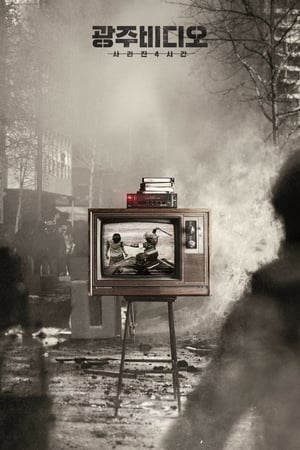
There are people whose lives have been shaken by the 'Gwangju Video'. On May of 1980, the course of their lives changed in front of a huge wave of truth in Gwangju. The people who made and spread the 'Gwangju Video' are also the people who had their bodies on the waves. The hidden stories of these people, the 40th anniversary of the Gwangju Uprising, and the pursuit to trace the missing 4 hours of mass shooting will be revealed for the first time.
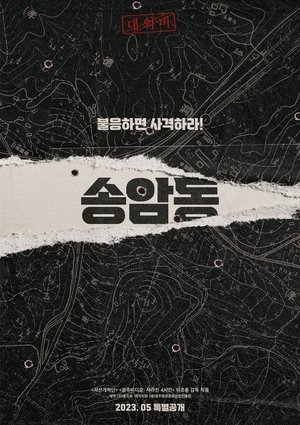
Songamdong
9 Days in the Summer
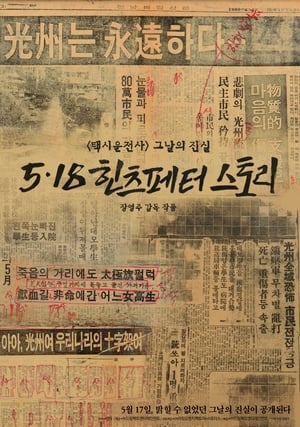
In May of 1980, the city is locked down and phone lines are dead because of protests and struggles in demand of democracy. Just when Gwangju was being ignored by the media, Jurgen Hinzpeter, a reporter from Germany, sneaks in despite the danger!
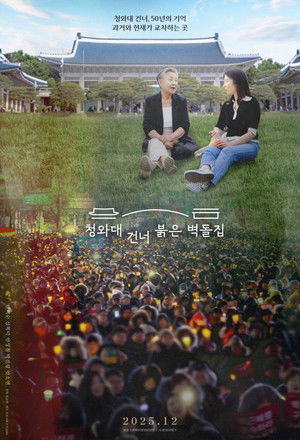
My family has lived in a house across from the Blue House, the presidential palace, for 50 years. During the era of military dictatorship, the Blue House was a place of fear and inaccessibility. But as South Korea democratized, more and more people were allowed to approach it. I had grown up surrounded by countless protests, but it was the first time their sound followed me home. The never-ending noise made the house where I was born and raised feel unfamiliar. But the place they now stood was the very spot where I had held a candle to protest just months before. My right to raise my voice also guarantees theirs.
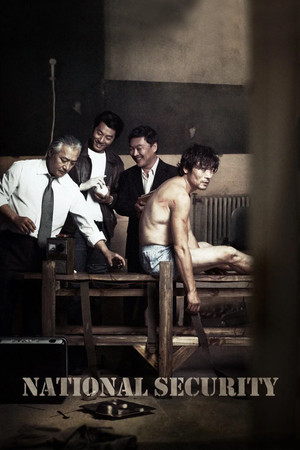
On September 4, 1984, democracy movement leader Kim Jong Tae is arrested and taken to an infamous interrogation facility in Namyeong-dong. For the next 22 days, he would be cruelly and continuously tortured in all manners by interrogators intent on forcing him to confess to communist collaboration.
On May 27, 1980—the last day of the Gwangju Uprising—students at Sinheung High School in Jeonju defied martial law. Their teacher disciplined them to protect them, but this act of love left forty years of misunderstanding. Now in his nineties, the teacher reunites with his former students to finally offer each other the reconciliation they had long set aside.
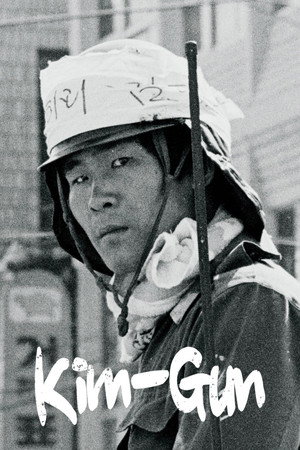
KIM-GUN searches for the whereabouts of a young man whose identity has sparked a national controversy over the 1980 May 18 Gwangju Uprising. Starting with the vague memories of those who had crossed paths with him during that time, the film tracks down those who participated in the Uprising as “Citizen Soldiers.” It also traces KIM’s final steps, based on photographic clues found in the firearms he carried and the “Surveillance Truck No. 10” in which he rode. By identifying KIM-GUN, we believe that we can find valuable leads to resolving the ongoing controversy over May 18. Why did a nameless young man join the Uprising? Why did he take up arms? Where has he gone afterwards? It is the answers to these questions that the film seeks.
Born in 1918 in the ideal village of independence activists in the northern part of Manchuria, pastor Moon Ik-hwan lost his childhood friend Yun Dong-ju under Japanese oppression and Chang Chun-ha during the Yusin regime. Moon survived the mass of modern Korean history, giving hope everywhere suffering.
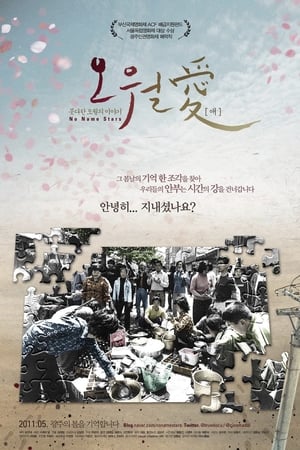
This year is the 30th anniversary of the Gwangju Democratization Movement. Though the country commemorates the event as the official historical records, it does not include any 'real' accounts of the people who experienced it firsthand. The students who were part of the movement; the female vendors who made rice balls for the students; the female high school students cooked at the government building; now, past their middle age, they live as ordinary citizens in Gwangju city. How is the event remembered by these people?
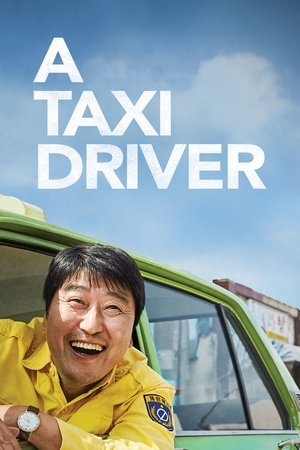
May, 1980. Man-seob is a taxi driver in Seoul who lives from hand to mouth, raising his young daughter alone. One day, he hears that there is a foreigner who will pay big money for a drive down to Gwangju city. Not knowing that he’s a German journalist with a hidden agenda, Man-seob takes the job.