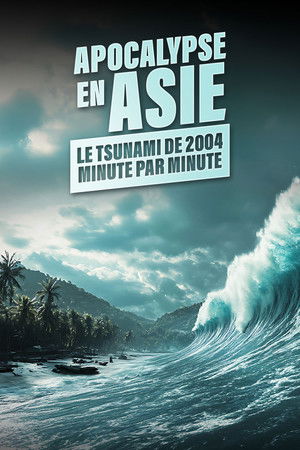
Apocalypse en Asie : le tsunami 2004 minute par minute
This astounding documentary delves into the mysteries of the Tunguska event – one of the largest cosmic disasters in the history of civilisation. At 7.15 am, on 30th June 1908, a giant fireball, as bright the sun, exploded in the sky over Tunguska in central Siberia. Its force was equivalent to twenty million tonnes of TNT, and a thousand times greater than that of the atomic bomb dropped on Hiroshima in 1945. An estimated sixty million trees were felled over an area of over two thousand square kilometres - an area over half the size of Rhode Island. If the explosion had occurred over London or Paris, hundreds of thousands of people would have been killed.
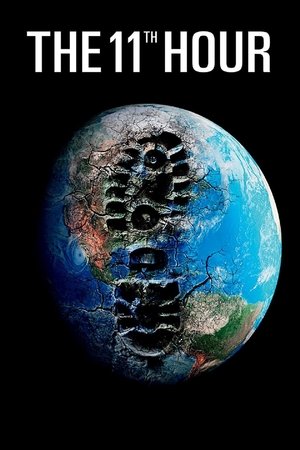
A look at the state of the global environment including visionary and practical solutions for restoring the planet's ecosystems. Featuring ongoing dialogues of experts from all over the world, including former Soviet Prime Minister Mikhail Gorbachev, renowned scientist Stephen Hawking, former head of the CIA R. James Woolse
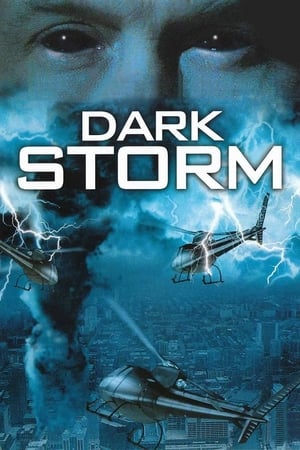
On a secret military base a group of scientists have made a discovery unequaled since the invention of the A-bomb; code-named Eruptor, it's a device that supercharges Dark Matter and uses it to change the molecular structure of its target, thereby eradicating it. But when the Eruptor malfunctions and a leading scientist on the project is blasted with Dark Matter, he receives incredible abilities
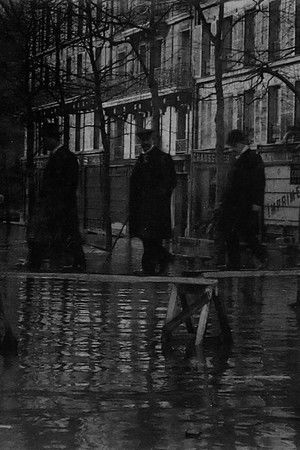
Paris unter Hochwasser
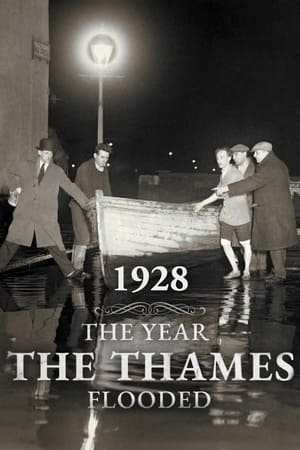
Exploring one of the most devastating but little-known disasters in London's history, this documentary reveals the shocking events that unfolded during the fateful Thames Flood of 1928.
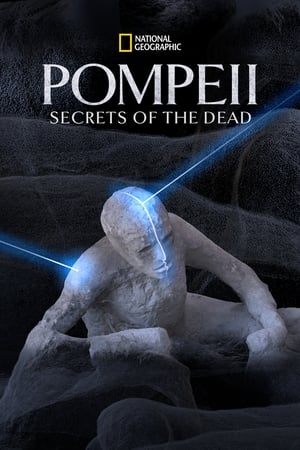
Forensic experts scan Pompeii’s victims to investigate why they didn’t escape the eruption.
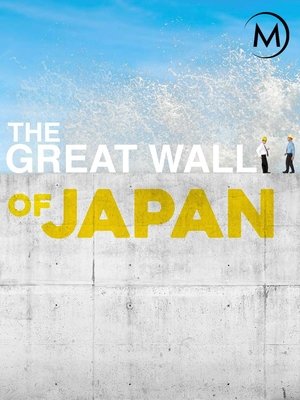
After the disaster of March 2011, the Japanese authorities decided to build a gigantic 15 meter high, 500 kilometer long, anti-tsunami wall, separating the land and the ocean. But what is the environmental and human impact of this wall? The population is divided on their opinion: should they cut the island off from the sea or stay vulnerable to tsunamis? Is there another way?
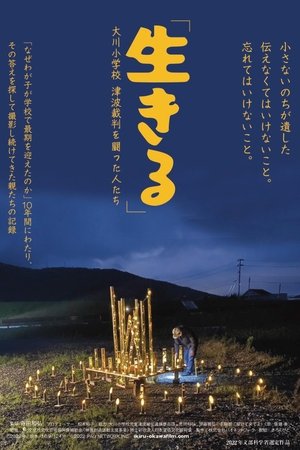
On March 11, 2011, Okawa Elementary School in Ishinomaki City was engulfed by a tsunami, and 74 children, or 70% of the school's children, were killed. 51 minutes elapsed between the earthquake and when the tsunami reached the school. The school was informed of the tsunami and a school bus was on standby, but students did not evacuate. Okawa Elementary was the only school that suffered a large number of casualties in this earthquake. This documentary follows the lawsuit that followed the disaster, where the parents sought the truth behind the tragedy.
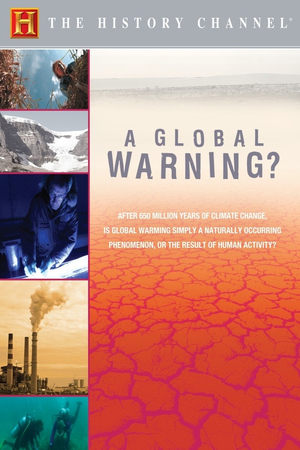
Global warming in context. What the climate of the past tells us about the climate of the future.
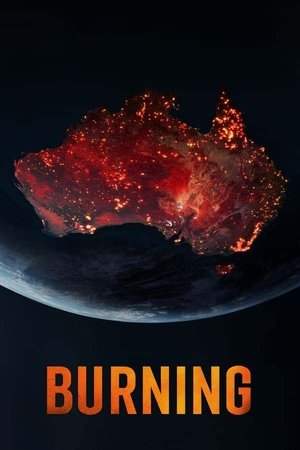
Follows the deadly Australian bushfires of 2019-2020, known as ‘Black Summer’. Burning is an exploration of what happened as told from the perspective of victims of the fires, activists and scientists.
Restoration expert Giancarlo Napoli takes on the important task of saving 86 plaster casts of Pompeii citizens that were created by archaeologist Carlo Fiorelli in the 1860s.
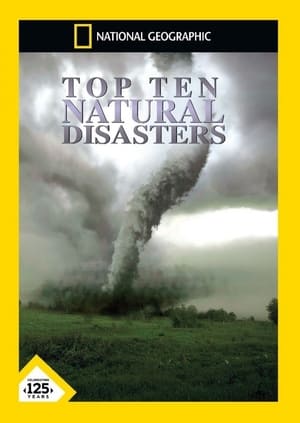
National Geographic gets 10 experts to pick the most significant natural disasters ever, adding eyewitness accounts and CGI to flesh out the stories.
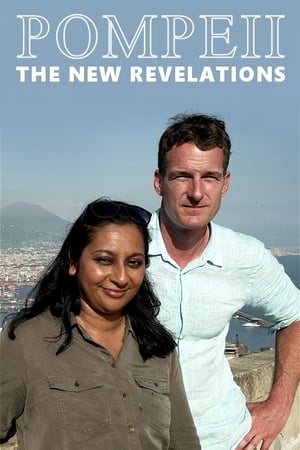
Archaeologist Raksha Dave and historian Dan Snow return to Pompeii to gain special access to a variety of new excavations, including two never-before-seen discoveries.
A retired and disgruntled scientist is brought out of retirement to explain why tidal waves are wiping out coastal communities. But is he part of the problem?
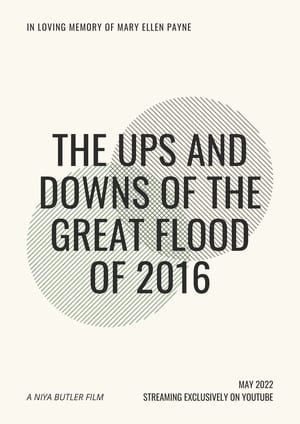
IN LOVING MEMORY OF MARY ELLEN PAYNE. Following the events of the Great Flood of 2016 that wreaked havoc on southern Louisiana, the late Mary Payne takes a moment to talk about her experiences during and after the destruction.
Documentary about the aftermath of the earthquake that shook Juchitán, on the Mexican Pacific coast. It tells the story of Dxani -muxe seamstress- and Jacinto -mason- and how their lives were radically changed by the strongest earthquake that hit this community; and the poor response of the corrupt authorities.
A chunk of dark matter shoots right through earth, causing various worldwide disasters. A family in Los Angeles struggles to survive the ordeal.
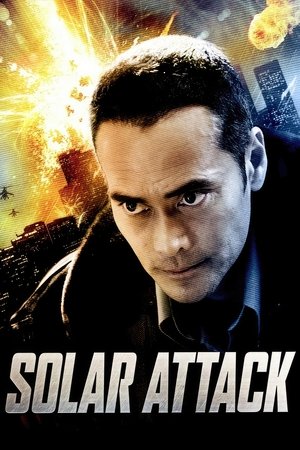
When the sun's increasing expulsions of plasma threaten to ignite methane in our atmosphere, international tensions rise while scientists race for a solution to avoid natural disaster.
Devastating hurricanes, torrential rains, the inexorably rising waters: coastal megacities are now up against the wall. The filmmakers have chosen three emblematic cities: New York, Singapore and Rotterdam. Cities that each face unique problems and must revisit their relationship with water in order to survive on the long run. In 50 years, all surge barriers in the world will be out of order. What solutions will then remain for coastal cities?