In 2010 David Crowley, an Iraq veteran, aspiring filmmaker and charismatic up-and-coming voice in fringe politics, began production on his film Gray State. Set in a dystopian near-future where civil liberties are trampled by an unrestrained federal government, the film’s crowd funded trailer was enthusiastically received by the burgeoning online community of libertarians, Tea Party activists and members of the nascent alt-right. In January of 2015, Crowley was found dead with his family in their suburban Minnesota home. Their shocking deaths quickly become a cause célèbre for conspiracy theorists who speculate that Crowley was assassinated by a shadowy government concerned about a film and filmmaker that was getting too close to the truth about their aims.
An in-depth look at the creative process behind "Society of the Snow," featuring cast, crew, director J.A. Bayona and even real-life survivors.
A deep dive documentary into the history of "Who Framed Roger Rabbit" from the original version that was cancelled to the production problems of the one that came to be and the fascinating production stories of one of the most ambitious films ever made.
Delves into the history of the most extreme and shocking films that have ever been made. chronicles the timeline of Red Films: those films that are too extreme for the mainstream and historically have been circulated via the bootleg circuit.
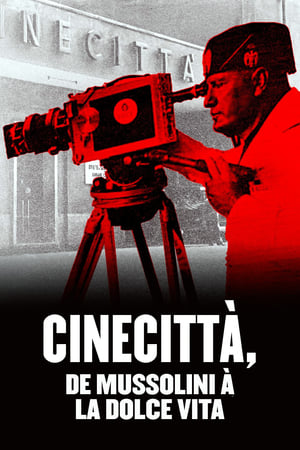
Cinecitta is today known as the center of the Italian film industry. But there is a dark past. The film city was solemnly inaugurated in 1937 by Mussolini. Here, propaganda films would be produced to strengthen the dictator's position.
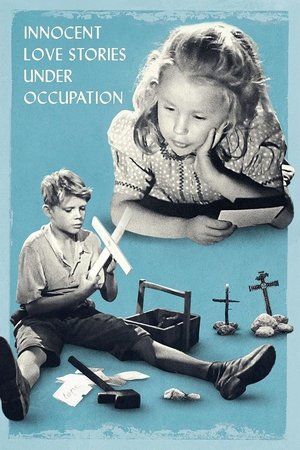
Interview-based documentary looking back on the making and reception of René Clément's 1952 film "Forbidden Games."
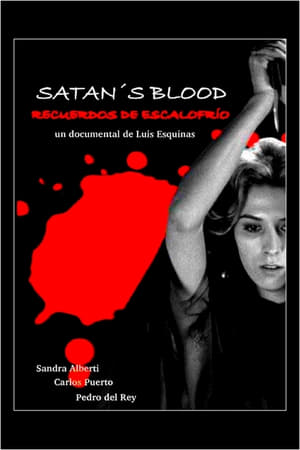
The story of the shooting of Satan's Blood (Escalofrío), a film directed by Carlos Puerto in 1978.
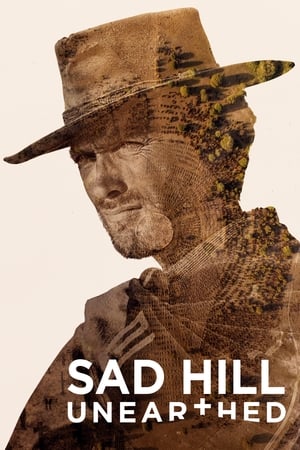
Province of Burgos, northern Spain, October 2015. A group of fans undertake the titanic task of restoring the location of the last scene of The Good, the Bad and the Ugly, the mythical spaghetti western directed by Italian filmmaker Sergio Leone in 1966.
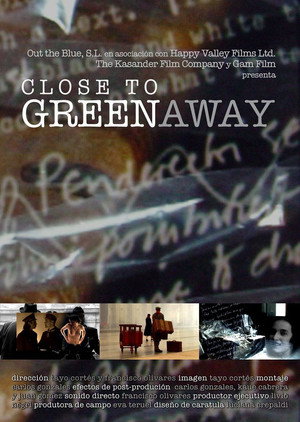
Close to Greenaway takes us behind the scenes of the first part of the trilogy The Tulse Luper's Suitcases in Barcelona and Almeria. In this film, for the first time we get close to the unique vision of the controversial Welsh director Peter Greenaway. The intense rehearsals with the actors, his meticulous method of shooting and his thirst for the new audiovisual and technologies are revealed in this documentary.
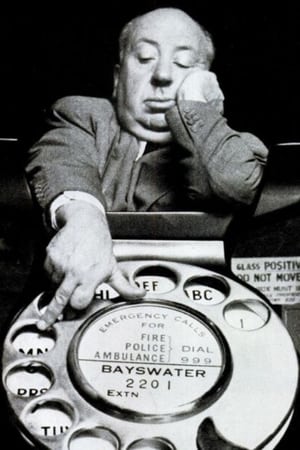
A retrospective look at the brilliance of Alfred Hitchcock's 'Dial M for Murder.'
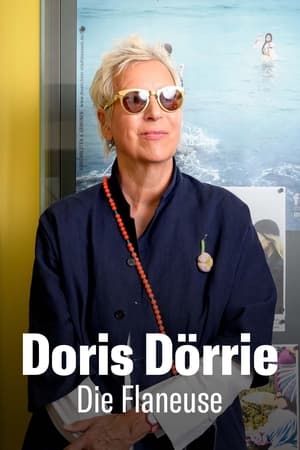
Why does Doris Dörrie have a bag on her head in the interview? Consistent in the sense that in her works she always poses the question of how we want to be perceived. Dörrie takes us through the most important stages of her life, her films, her work as a mentor and teacher, and also addresses existential themes: Identity, motherhood, her role as a woman. And she talks openly about fears, setbacks and crises, such as the untimely death of her partner and cameraman Helge Weindler. "Shut up and breathe", the advice of a Tibetan lama, carries her through life - even beyond the screen.
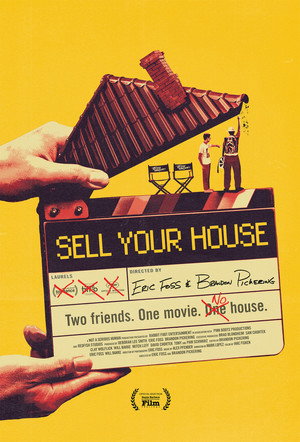
A first-time director convinces his best friend to sell his house in order to fund their debut feature film. Everything goes really well. A documentary following the making of "The Last Stop in Yuma County."
From "The Rocky Horror Picture Show" to "The Big Lebowski" and everything in between, this fascinating deep-dive documentary begins its celebration of the greatest cult movies of all-time discussing the birth of the midnight movie.
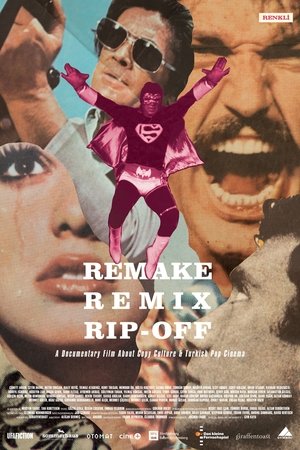
Turkey in the 1960s and 1970s was one of the biggest producers of film in the world. In order to keep up with the demand, screenwriters and directors were copying scripts and remaking movies from all over the world. This documentary visits the fastest working directors, the most practical cameramen and the most hardheaded actors to have a closer look into the country's tumultuous history of movie making.
This documentary is not a straightforward portrait of Armenian film director Sergei Paradjanov's life, but rather a fluid celebration of his talent and creativity. Focusing on the collages he produced during his years in prison, and featuring interviews with the director himself, Cazals' film demonstrates the scope of Paradjanov's artistic vision, lovingly commemorating this rebel of art cinema.
The summer of 1960 was a critical moment in the history of film, when the fly-on-the-wall documentary was born. The Camera that Changed the World tells the story of the filmmakers and ingenious engineers who led this revolution by building the first hand-held cameras that followed real life as it happened.
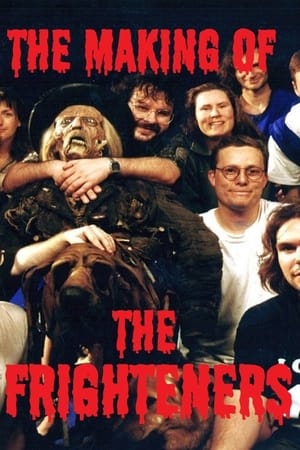
Documentary about the making of the 1996 horror-comedy.
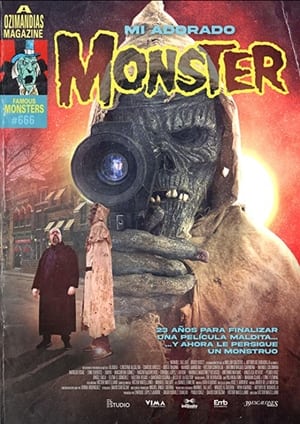
With humor, prolific director Víctor Matellano tells the story of one of the most iconic and problematic cult films of Spain's "fantaterror": Los resucitados by Arturo de Bobadilla. A story of ambition, frustration and the everlasting will of the most passionate cinephiles.
Canadian actor and filmmaker Connor Jessup (Closet Monster, Falling Skies) profiles Apichatpong Weerasethakul, a maverick of Thai cinema who explores the slippery nature of time and consciousness with a sublimely idiosyncratic, often surreal approach to film form.
By letting go of the urge to control and embracing the unexpected, the creative process finds a new pulse. Thus, Gut Knows What Mind Does Not Understand aims to celebrate what emerges when we trust our intuition and the experiences the world offers us.