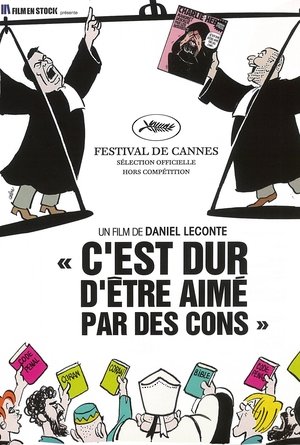
The murder of Dutch filmmaker Theo van Gogh by an Islamic extremist in 2004, followed by the publishing of twelve satirical cartoons depicting the prophet Mohammed that was commissioned for the Danish newspaper Jyllands-Posten, provides the incendiary framework for Daniel Leconte's provocative documentary, It's Hard Being Loved by Jerks.
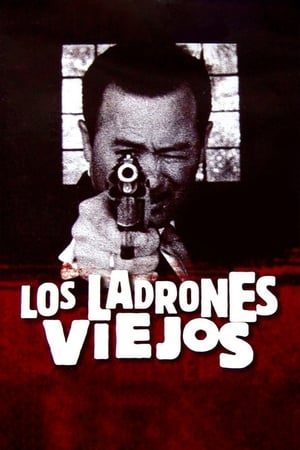
Is the story of a generation of thieves who achieved their greatest victories in the sixties; their distinctive code of ethics, the various categories of delinquents inhabiting the citys streets, their alliances with high ranking police officials that allowed them to operate, the betrayals that followed, and the price they ended up paying.
Guy Debord's analysis of a consumer society.
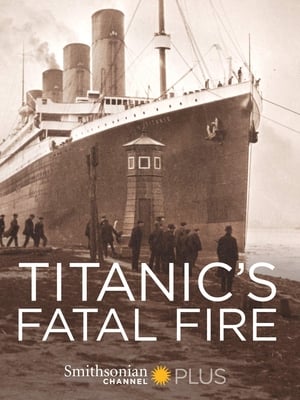
The sinking of the Titanic sent shockwaves around the world and started debates that continue to this day. But new, explosive evidence from the most unlikely of sources may finally lay all arguments to rest and reveal, for the first time, the full story of what possibly doomed the "unsinkable" liner. Join us as we unveil recently discovered and never-before-seen photographs of the super ship that exposes shocking clues that investigators and historians once dismissed but can no longer ignore.
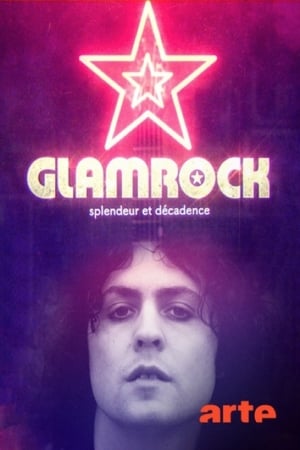
Glam Rock: Splendeur et Décadence
Chronicles the rise and fall of 1970s New York City nightclub Plato's Retreat.
The production is a poetic impression, its tone is mournful. The film shows the landscape of Vietnam two years after the end of the war. There is no commentary in the production, the image is accompanied by Mozart's composition.
From bombers to jet fighters, the United States relied heavily on its powerful air force during the Vietnam War. Through amazing archival footage, this program explores the types of U.S. aircraft used in combat and the impact they had on the war. Because the Vietnam War was the most-filmed war in history, there's plenty of excellent footage allowing viewers to experience dangerous missions almost firsthand.
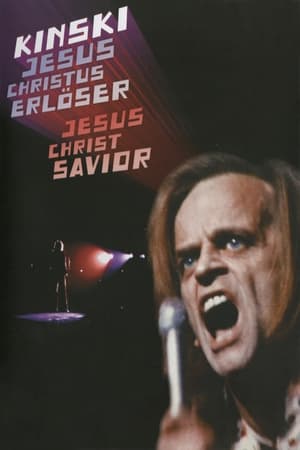
Klaus Kinski has perhaps the most ferocious reputation of all screen actors: his volatility was documented to electrifying effect in Werner Herzog’s 1999 portrait My Best Fiend. This documentary provides further fascinating insight into the talent and the tantrums of the great man. Beset by hecklers, Kinski tries to deliver an epic monologue about the life of Christ (with whom he perhaps identifies a little too closely). The performance becomes a stand-off, as Kinski fights for control of the crowd and alters the words to bait his tormentors. Indispensable for Kinski fans, and a riveting introduction for newcomers, this is a unique document, which Variety called ‘a time capsule of societal ideals and personal demons.’
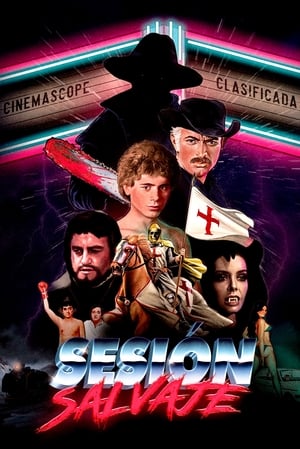
A walk through the golden age of Spanish exploitation cinema, from the sixties to the eighties; a low-budget cinema and great popular acceptance that exploited cinematographic fashions: westerns, horror movies, erotic comedies and thrillers about petty criminals.
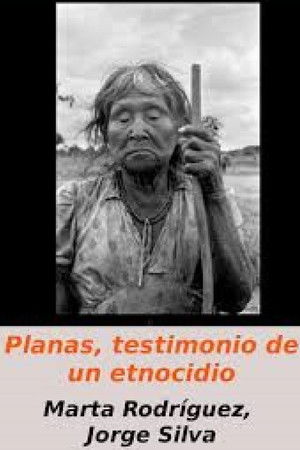
A documentary on the massacre of Planas in the Colombian east plains in 1970. An Indigenous community formed a cooperative to defend their rights from settlers and colonists, but the government organized a military operation to protect the latter and foreign companies.
Tommy Robinson goes on the offensive by documenting how his own “hit piece” on his character was being constructed by the taxpayer-funded BBC for their popular investigative news special “Panorama.” In the film he manages to capture footage of the blackmailing of his former employees to invent stories, along with an organization—known as “Hope not Hate”—on set with the BBC, intimidating ex-employees of Robinson during interviews. The host of “Panorama” at the time of filming is caught on camera casually using racist and homophobic slurs during a £220 champagne lunch with the same ex-employee they had planned to coach for a fake interview in which the BBC would possibly edit in which to make it appear as, “a gender, a sexual thing against Tommy Robinson,” according to the host. Within 24 hours of releasing the film, social media giant Facebook made a public statement of their own and removed Tommy Robinson’s accounts permanently.
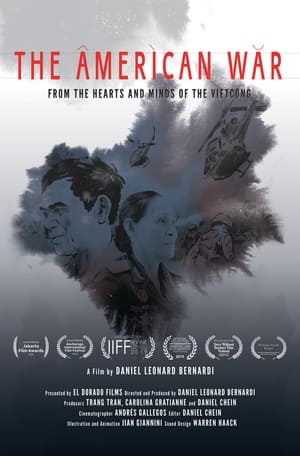
Using obscure archival footage, animated illustrations and interviews, this film tells the story of the Vietnam War from the perspective of five Vietcong veterans: a soldier, an officer, an informant, a guerilla, a My Lai survivor, and the leader of the Long Hair army.
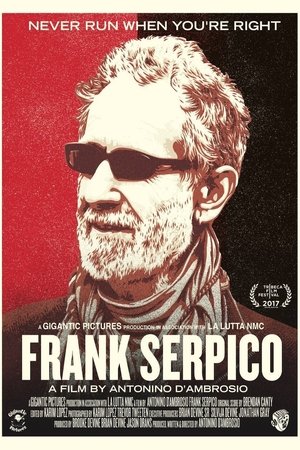
In 1972, officer Frank Serpico exposes the corruption which poisons the roots of the NYPD and becomes famous in 1973 when director Sidney Lumet tells his story in the classic film “Serpico,” starring Al Pacino.
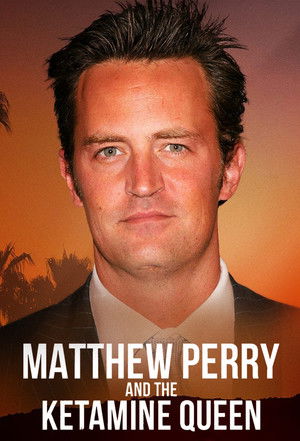
Documentary investigating the events leading up to the shocking death of Friends star Matthew Perry and the woman at the center of the case, dubbed the 'Ketamine Queen' by US prosecutors.
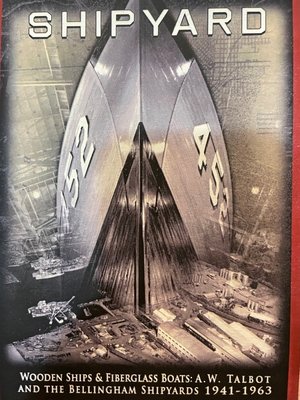
Shipyard is a landmark documentary covering the creation and life of Bellingham, Washington's wooden boat shipyard, which was built in response to the Axis threat of WWII, it's continued growth through the '50's and '60's, as well as it's innovative role in the development and production of fiberglass boats, including patrol riverboats for the Vietnam war.
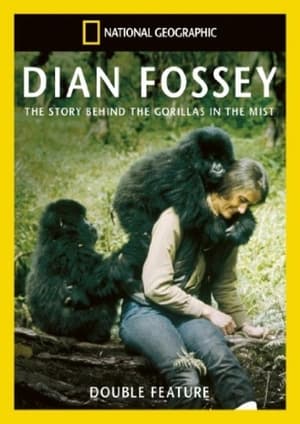
From 1968 to 1972, photographer and filmmaker Bob Campbell documented the activities of Dian Fossey as she developed a cross-species bond with Rwandan mountain gorillas. Campbell shot 70,000 feet of film, but only a fraction of his material was edited into the lecture presentation that preceded Fossey's Gorillas in the Mist. This program compiles highlights from the previously unreleased footage, offering an unforgettable glimpse into the gorilla community and Fossey's relationship with it. Her methods may not entirely jibe with those of modern conservationists, but there is no denying the profound impact of her work on current research and eco-activism.
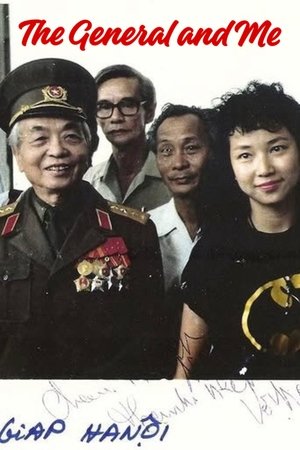
Over the period of 25 years the director met General Võ Nguyên Giáp, a legendary hero of Vietnam’s independence wars, a number of times. She was the first American who entered the home of the “Red Napoleon”. The fruit of this friendship is a film, personal and politically involved at the same time. Travelling across the country and talking to important figures as well as ordinary people, the director finds out more about her roots and offers the audience a unique perspective on Vietnam’s present and past.
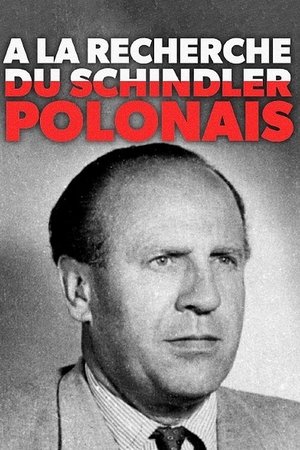
À la recherche du Schindler polonais
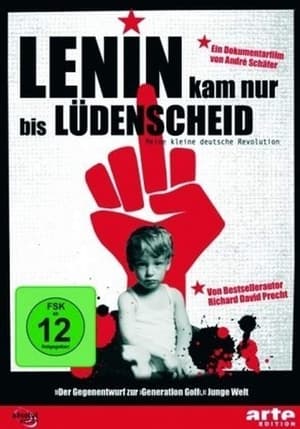
The free, almost naive view from the perspective of a child puts the "68ers" in a new, illuminating light in the anniversary year 2008. The film is a provocative reckoning with the ideological upbringing that seemed so progressive and yet was suffocated by the children's desire to finally grow up. With an ironic eye and a feuilletonistic style, author Richard David Precht and Cologne documentary film director André Schäfer trace a childhood in the West German provinces - and place the major events of those years in completely different, smaller and very private contexts.