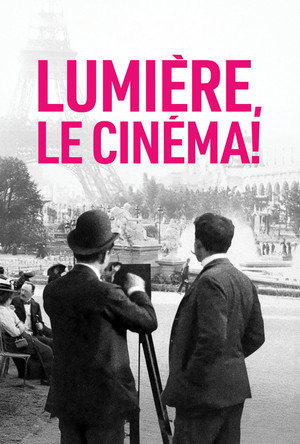
In one of those wonderful coincidences of history, lumière, the French word for “light,” was also the last name of brothers Auguste and Louis, whose brilliant invention, the cinematograph, helped to inaugurate the most beloved art form of the last 130 years. Institute Lumière director Thierry Frémaux uses Lumière, Le Cinema! to guide the viewer through over a hundred shorts—some famous, some forgotten, some never before seen—directed by Lumière and company. In the process, Frémaux illuminates how the brothers employed the camera as a creative instrument as they (and their operators) mastered framing, staging, and subject selection for quotidian and exotic microdocumentaries as well as the first ever fictional motion pictures. The result is not only a glorious re(telling) of the genesis of cinema but a profound meditation on the beautiful world captured—and the mysterious world imagined—by the Lumières.
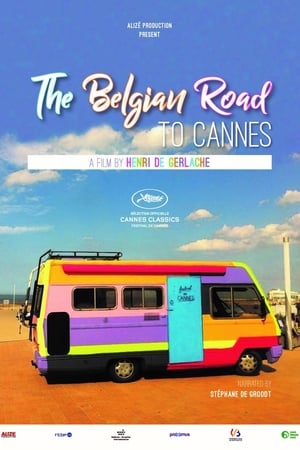
A cheerful road movie all about Belgian films at Cannes over the past 70 years. Filmmakers from the past converse with those from the present to paint the portrait of a cinema that is both diverse and free. An account of Belgium’s participation in the greatest film festival in the world.
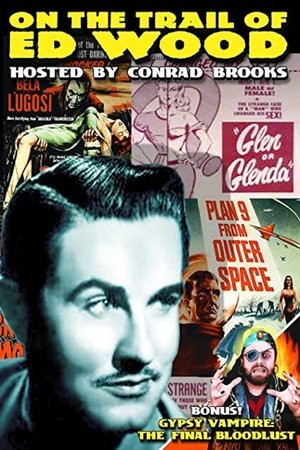
A documentary on the life and career of filmmaker Edward D. Wood Jr., with clips from his films and interviews with the cast and crews of some of his films.
Documentary about the 1988 follow-up film Critters 2. Features interviews with director Mick Garris; actors Liane Curtis, Don Opper, Terrence Mann, and Lin Shaye; producer Barry Opper; critters designers; and more.
What is a Micro-Budget film? How are they made? Where can you find them? Do they actually make any money? Six micro-budget filmmakers take us through the arduous process of making movies with little-to-no money. They shed light on the physical, financial and moral complexities of this unusual side of Hollywood.
Documentary about the 1991 follow-up film Critters 3. Features interviews with producer Barry Opper; actors Don Opper and Terrence Mann; writer; cinematographer; and critters designers.
Documentary about the 1992 follow-up film Critters 4. Features interviews with producer Barry Opper; actors Don Opper and Terrence Mann; writer; cinematographer; and critters designers.
In 2010 David Crowley, an Iraq veteran, aspiring filmmaker and charismatic up-and-coming voice in fringe politics, began production on his film Gray State. Set in a dystopian near-future where civil liberties are trampled by an unrestrained federal government, the film’s crowd funded trailer was enthusiastically received by the burgeoning online community of libertarians, Tea Party activists and members of the nascent alt-right. In January of 2015, Crowley was found dead with his family in their suburban Minnesota home. Their shocking deaths quickly become a cause célèbre for conspiracy theorists who speculate that Crowley was assassinated by a shadowy government concerned about a film and filmmaker that was getting too close to the truth about their aims.
With exclusive behind-the-scenes access into Herzog’s everyday life, rare archive material and in-depth interviews with celebrated collaborators – including Christian Bale, Nicole Kidman, and Robert Pattinson, we are given an exciting glimpse into the work and personal life of the iconic artist.
How are the sex scenes filmed? What tricks are used to fake the desire? How do the interpreters prepare and feel? Spanish actors and directors talk about the most intimate side of acting, about the tricks and work methods when narrating exposed sex. In Spain the general rule is that there are no rules. Each film, each interpreter, faces it in very different ways.
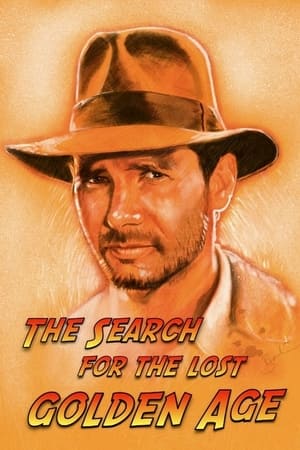
Hawaii, May 1977. After the success of Star Wars, George Lucas and Steven Spielberg meet to find a new project to work on together, the former as producer, the latter as director. The story of how the charismatic archaeologist Indiana Jones was born and how his first adventure, released in 1981, triumphed at box offices around the world.
Documentary about the development of Buster Keaton's The Haunted House (1921).
Documentary about the Buster Keaton short Hard Luck (1921).
A short documentary on the works of Buster Keaton.
The special effects in The Play House (1921) are discussed.
Ben Model discusses scoring music for silent movies.
The actors in My Wife's Relations (1922) are discussed in this documentary.
Bruce Lawton discusses Buster Keaton's The Blacksmith (1922), a film that Keaton had dismissed as a "lesser" work.
A short documentary on Buster Keaton's The Frozen North (1922), regarding how the events of Fatty Arbuckle's trial and William S. Hart's quick condemnation of Arbuckle, were reflected in the film.
Documentary on Day Dreams (1922), a Buster Keaton silent comedy.