President Harding and his wife paying tribute to a group of Indians (Fragment of a longer piece)
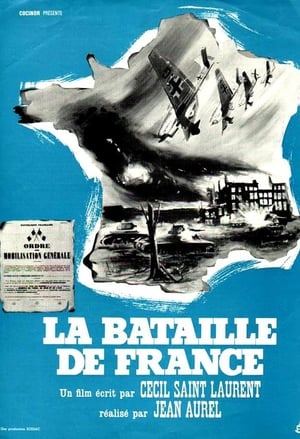
A montage of newscasts tracing the events of the "damned war" and the German invasion of 1940.
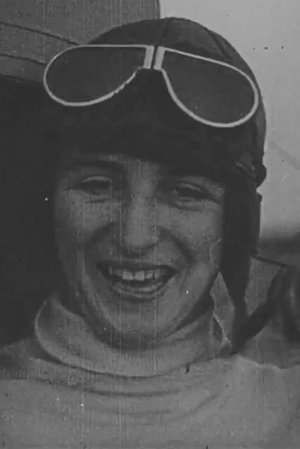
Topical Budget 545-2. Newsreel of the 1920s aerial stuntwoman and barnstormer, Sara “Babe” Kalishek. We see her on the ground at first, standing in front of a plane before we see her wing walking on a plane in flight, then climbing from one plane onto the wing of another.
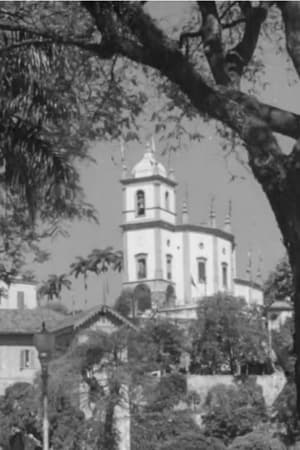
Fest organized by Irmandade do Outeiro Nossa Senhora da Glória with the attendance of president Eurico Gaspar Dutra.
A walk through the landscapes of the province of Salamanca, Spain, as well as a testimony of the daily life and customs of its inhabitants.
A walk through the landscapes of the province of Barcelona, Spain, as well as a testimony of the daily life and customs of its inhabitants.
Newsreel coverage of the Anschluß in 1938 and it's associated global reaction.
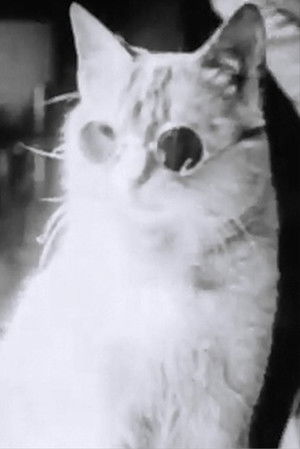
A story about short sighted cats being given glasses.
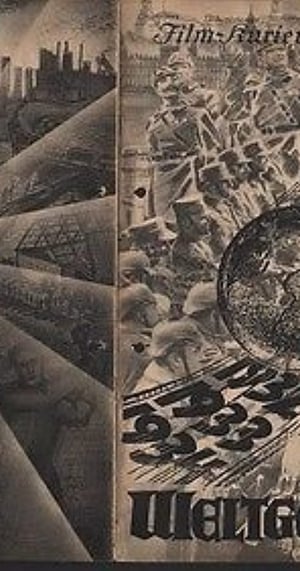
Produced by the Fox Movietone News arm of Fox Film Corporation and based on the book by Lawrence Stallings, this expanded newsreel, using stock-and-archive footage, tells the story of World War I from inception to conclusion. Alternating with scenes of trench warfare and intimate glimpses of European royalty at home, and scenes of conflict at sea combined with sequences of films from the secret archives of many of the involved nations.
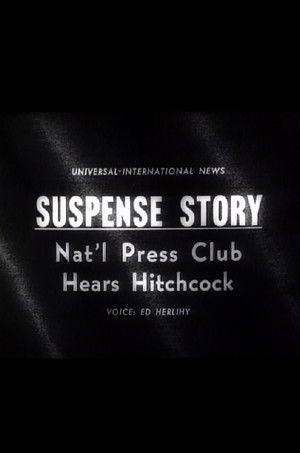
National Press Club hears a speech from Alfred Hitchcock.
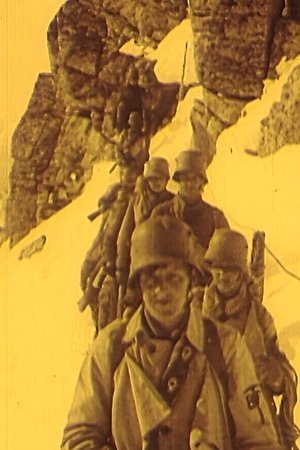
Heroic Struggle in Snow and Ice is a 1917 Austro-Hungarian propaganda newsreel film produced by Sascha-Film for the Imperial and Royal War Press Headquarters. The film is hand-colored and presented in two parts. It depicts the fighting on the Alpine Front between Italy and Austria-Hungary.
Communicating simultaneously to all 53 of the FBI’s field offices from his headquarters in the Department of Justice, this issue puts J. Edgar Hoover right at the heart of America’s fight against internal espionage during the war. Featuring footage from the FBI Academy in Quantico, Virginia, the film follows the progress of a new officer, dramatically depicting the investigation of a murder case involving the theft of top secret materials from a gas mask factory.
The centrepiece of this March of Time film is the dramatised sequence showing the FBI infiltration of a group of American Nazis, whose espionage and sabotage operations are run from the backroom of a local restaurant. The film’s message - that the FBI is more than a match for German spies - is reinforced by the focus on new techniques such as covert filming and forensic evidence analysis, helped by an army of administrative staff working alongside the Bureau’s 4,500 special agents.
Dziga Vertov-directed Soviet newsreel covering: Starving children / Requisitioning of valuables possessed by the Russian Orthodox Church / Fundraising flights in support of the hungry / Trial of the Socialist Revolutionaries.
The newsreel series Jornal Português (1938-1951) was produced for the Secretariat of National Propaganda (SPN/SNI) by the "Portuguese Newsreel Society" (SPAC), under the technical supervision of António Lopes Ribeiro. It was conceived and employed as part of the propaganda machinery of Salazar's regime. Screened in cinema theatres prior to the main feature film, each issue of Jornal had approximately ten minutes in length and covered a variety of official government acts, national political news, major sports events and other assorted social and cultural affairs. Jornal Português is not only an indispensable document for the history of Estado Novo's propaganda, but also an unparalleled audiovisual archive of 1940s Portugal.
Newsreel 62 reflects on the participation of two Syrian artists in a 1966 Yugoslavian art show celebrating the Universal Declaration of Human Rights, showcasing the relative ease with which objects (as opposed to people) can pass across borders.
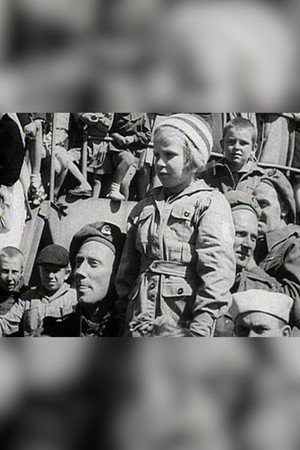
This 1944 newsreel documents arrivals at a Wellington wharf from the Middle East: New Zealand soldiers and Polish children. For the refugees it was the conclusion of an epic wartime survival tale: an exodus from Poland via Siberian labour camps, to being greeted by Prime Minister Peter Fraser in NZ. The Poles then take the train past waving crowds to their new home: a camp in Pahīatua. Twenty years later the children were revisited in Kathleen O’Brien’s classic 1966 documentary The Story of Seven-Hundred Polish Children.
Several prohibition agents display cans and bottles of seized liquor for the camera. They are then shown dumping the goods at a junk yard.
A short wartime propaganda film documenting the initial progress of the AIF 6th Division during the Western Desert Campaign of WWII. The film records the rapid allied advance across the desert before the fall of Bardia. Released as a "newsreel scoop", it was heavily cut down beforehand as the government prioritised fast-paced propaganda over Hurley's cinematic approach. Some of this cut footage was later distributed into global newsreels, such as British Pathé's "Rapid Advance in Libya".
A newsreel depicting the funeral of Burmese independence activist U Htun Shein.