Short film about racism.
In 2020, the World was closed. Life got cancelled. People were struggling. Here’s an emotional and entertaining true story shot live, during the pandemic, about courageous people who came together, despite the risk, to share their love with one another. The film opens in Times Square on NYE 2020. Everything seemed right with the World. Fast-forward six months into the pandemic, hundreds of artists from all different performance art genres are invited to come together over the course of several consecutive days, culminating in a group costume parade event on 10/10/2020 to witness the only live performances happening ANYWHERE. The goal was to lift each other's spirits during the 2020 Covid-19 pandemic. There were over a dozen genres represented including acrobatics, live music, magic, dance, and even a wedding. Dozens of unscripted live interviews were recorded and the event proved a huge success. The film captures the rawness of what it was like living during this unprecedented time.
The documentary tells the story of Júlio César, a young Afro-Brazilian who was executed by the Police in the 1980s in Porto Alegre. The crime became notorious when the press published photos of Julius being put alive in the police car and arriving 37 minutes later shot and dead at the hospital.
Police have been killing people in Columbus, Ohio, with near impunity for more than two decades, leaving behind a community bound together by grief – and a system that refuses to call these killings murder. In a searing indictment of the police and justice system at large, educator and curator Ingrid Raphael and journalist Melissa Gira Grant have collaborated in this short film, which spotlights the testimonies and resistance strategies of the loved ones of Henry Green, Tyre King, Donna Dalton and Julius Tate. These are the mothers, sisters, and grandmothers of those who were killed by Columbus police, women seeking justice for their family members, despite knowing that it is unlikely to be found within the system that caused their wrongful deaths.
In THE COLOR OF FEAR, eight American men participated in emotionally charged discussions of racism. In this sequel, we hear and see more from those discussions, in which the men talk about about how racism has affected their lives in the United States. We also learn more about the relationships between them, and about their reactions during some of the most intense moments of that discussion.
Les dieux de Molenbeek
An experimental journey through a year in the life of the director, using his always playing playlist to cross the boundaries of fiction and documentary. Through scenes of both comedy and tragedy, realistic documentary footage and experimental sequences of the director's environment and daily life we get a sometimes estranging image of a young man and also an intriguing insight in his mindset and how this translates to the imagery on screen.
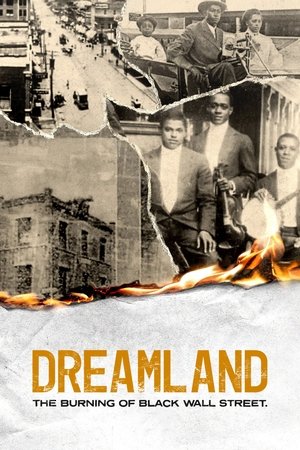
Documents the race riot of 1921 and the destruction of the African-American community of Greenwood in Tulsa, Oklahoma. With testimony by eyewitnesses and background accounts by historians.
An analysis of the impact on the United States Latino community of immigration policies promoted by President Donald Trump.
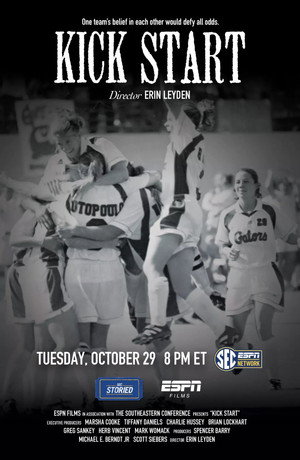
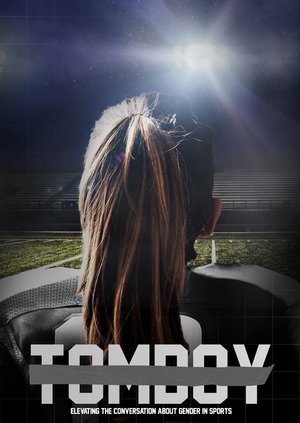
TOMBOY explores the obstacles that young girls encounter on the recreational stage, the stereotypes, language issues and cultural disparities that follow, and ultimately the insufficient media coverage and compensation that afflicts elite professional athletes seeking full recognition for their talents. The journey of the female athlete is often discouraging, and despite progress achieved during the Title IX era, gender equity in athletics has a long way to go.
The film expresses the history of oppression, discrimination, violence and hate in America. It was nominated for an Academy Award for Best Documentary Short.
A City Decides chronicles the events that led to the integration of the St. Louis public schools in 1954. An Oscar-nominated short documentary from 1956.
Documentary made by Yunus Vally, born in the 60s into a Muslim family during the height of the Apartheid era in South Africa, which examines the impact that the discriminatory laws of the state - specifically the so-called Immorality Act that determined who you could love and the censorship regulations that clearly defined what was deemed desirable - had on his life. It is also his attempt to fathom how he could have been an ardent Trotskyite who secretly fancied blonde Afrikaans beauty queens. (Storyville)
Earl Kenneth Kaufmann is the Scary Guy. Banned and kicked out here and there. Because of his looks. A motivation trainer and speaker who campaigns worldwide to eliminate hate, violence, prejudice, and bullying in schools and corporations. In addition to being a tattoo shop owner, comic, entertainer, inspirational speaker, and performance artist.
Afonsinho, Paulo Cézar Caju and Nei Conceição started their careers in the mid-1960s, a time of strong political repression in Brazil. Originally teammates of a celebrated generation of the Botafogo football team superstars, they did not give up their freedom when the military dictatorship decided to take control of the field.
Based on powerful archival material documenting the most daring moments in the struggle for liberation in the Third World, this documentary is accompanied by classic text from The Wretched of the Earth by Frantz Fanon.
Documentary film exploring the lives of the people at the flashpoint of the LA riots, 25 years after the uprising made national headlines and highlighted the racial divide in America.
Twenty-five years after the verdict in the Rodney King trial sparked several days of protests, violence and looting in Los Angeles, LA 92 immerses viewers in that tumultuous period through stunning and rarely seen archival footage.
An in-depth look at the culture of Los Angeles in the ten years leading up to the 1992 uprising that erupted after the verdict of police officers cleared of beating Rodney King.
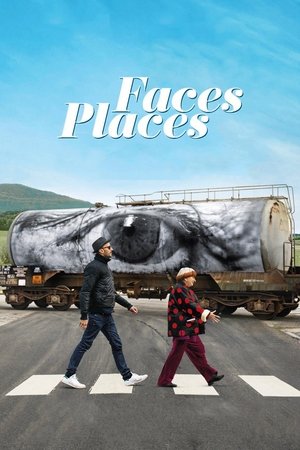
Director Agnès Varda and photographer/muralist JR journey through rural France and form an unlikely friendship.