In the first half, the film shows classroom situations in which pupils with learning difficulties encounter derogatory behavior from the rest of their classmates. The teacher, however, remains indifferent. In the second half, the teacher tries to address these school problems in a discussion with the class and to motivate the children to deal with the learning difficulties of their classmates so that mutual help becomes possible.
Using the basic nutrients protein, fat and carbohydrates as examples, the film provides an introduction to the complicated processes of digestion. Our digestive organs are presented schematically. It is shown that the interaction of the digestive organs prepares the food we eat and makes it absorbable. The absorbable food components enter the organism's metabolism and serve to build up the body and generate energy.
The film examines eight cases of children's misbehavior or accidents. Following the parents' descriptions and interpretations of the causes, the typical behavior is tested in comparable situations.
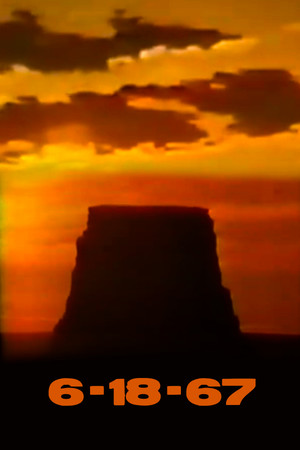
Filmed during the production of the Columbia Pictures western "Mackenna’s Gold," this short work presents a non-narrative visual study of the Arizona desert. Rather than documenting the film set itself, "6-18-67" assembles landscape images, time-lapse photography, and ambient sound into an abstract record of place and duration.
An elderly woman narrates how she was tricked, robbed and forced to marry her captor at the age of 19 and how, many years later, she found her freedom.
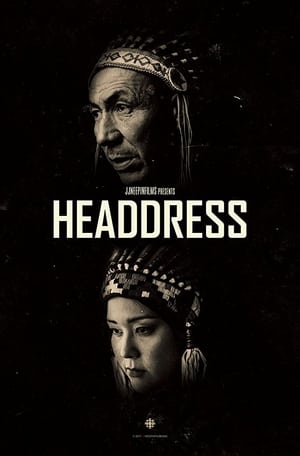
For First Nations communities, the headdress bears significant meaning. It's a powerful symbol of hard-earned leadership and responsibility. As filmmaker JJ Neepin prepares to wear her grandfather's headdress for a photo shoot she reflects on lessons learned and the thoughtless ways in which the tradition has been misappropriated.
Gonzalo Suárez: Sam Peckinpah, director salvaje
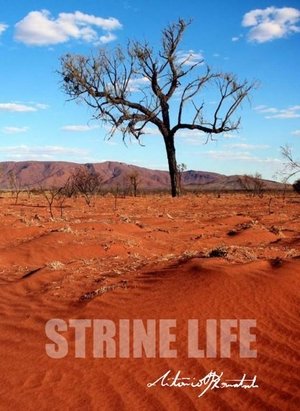
A short film / documentary that depicts the daily grind of first-generation immigrants in Australia.
A silent documentary film about the history and the architecture of the town of Erlangen in the Middle Franconia region in Bavaria, Germany.
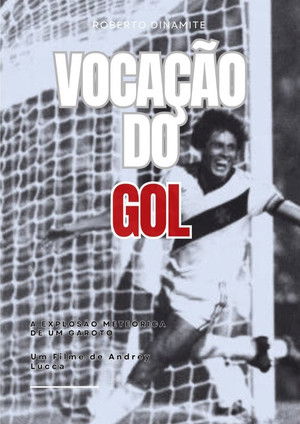
Based on the career of Roberto Dinamite, Vasco da Gama's biggest idol, we explore the magic of the goal and the connection with the stands in the figure of a player who personified the spirit of the club and its fans on the field
Daimara y el Baile Zombie
This last testimony of Robert Kramer (1939-1999) is a moving documentary with the independent American film director, in which he speaks of his political activism, his way of filmmaking, his relationship with Portugal and the revolutionary movements.
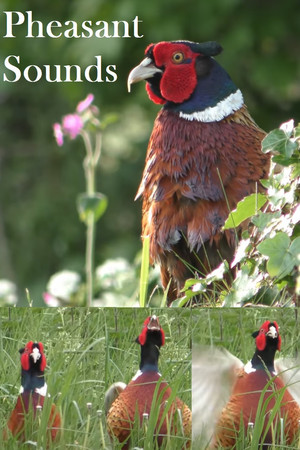
The Common Ring-Necked Pheasants of Cornwall erupt into a medley of sonic sensations.
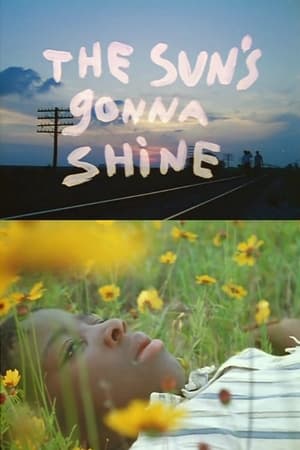
A lyrical recreation of Lightnin’ Hopkins’ decision at age eight to stop chopping cotton and start singing for a living. Preserved by the Academy Film Archive in 2013.
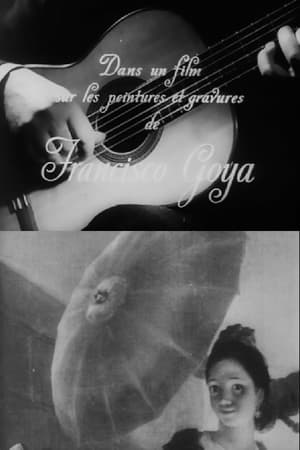
Presents life in 18th century Spain as the painter Francisco de Goya showed it to us.
A pro-Republican propaganda documentary made during the Spanish Civil War. It reports on the demonstration held in Barcelona on December 27, 1937 to commemorate the capture of Teruel by the Republican forces.
Migrant families experience violence, but they also keep beautiful memories when they arrive in new lands. Fantastic and intimate stories, recalled from childhood, travel across time and space, magically intermingling with the help of the four elements and breaking the boundaries of cinema.
Report on a trip to Blankenese.
A tour of Hamburg's hotels, entertainment venues, and St. Pauli.
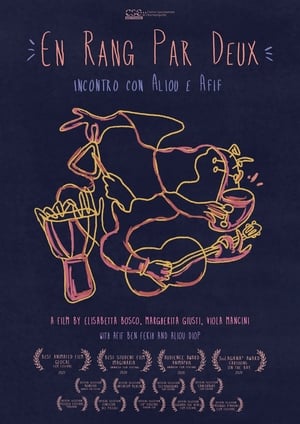
The idea for this film comes from the encounter with two African boys who live in Rome, and is based on their music. Tunisian Afif and Senegalese Aliou tell their different stories, talk about friendship, immigration, freedom and, above all, about the fundamental value of making music together.