In 1972, officer Frank Serpico exposes the corruption which poisons the roots of the NYPD and becomes famous in 1973 when director Sidney Lumet tells his story in the classic film “Serpico,” starring Al Pacino.
The brilliant self-taught pianist Erroll Garner left his mark on jazz forever. His song Misty, which he allegedly composed between two concerts on an aeroplane, immediately became one of the great jazz standards and is still one of the most covered ballads in the world today. Who was the man behind the ever-friendly smile from the ghettos of Pittsburgh, whose talent brought him to the biggest international stages?
A documentary on the massacre of Planas in the Colombian east plains in 1970. An Indigenous community formed a cooperative to defend their rights from settlers and colonists, but the government organized a military operation to protect the latter and foreign companies.
In 1972, a seemingly typical shoestring budget pornographic film was made in a Florida hotel: "Deep Throat," starring Linda Lovelace. This film would surpass the wildest expectation of everyone involved to become one of the most successful independent films of all time. It caught the public imagination which met the spirit of the times, even as the self-appointed guardians of public morality struggled to suppress it, and created, for a brief moment, a possible future where sexuality in film had a bold artistic potential. This film covers the story of the making of this controversial film, its stunning success, its hysterical opposition along with its dark side of mob influence and allegations of the on set mistreatment of the film's star.
A collection of death scenes, ranging from TV material to homemade super 8 movies.
In this thrilling documentary, indomitable women fight back against the nuclear industry to expose one of the biggest cover-ups in US history: the 1979 Three Mile Island meltdown and its aftermath. The film reveals the never-before-told stories of four intrepid homemakers who take their case all the way to the Supreme Court, and a young female journalist who's caught in the radioactive crossfire.
In 1971, Bahrain, Qatar and the UAE ceased to be part of Britain’s empire in the Middle East and became fully independent states. BBC News Persia and BBC Arabic collaborate in this gripping film, to uncover the secrets and shady deals that underpinned the decolonization process. From eye-witness accounts of a British-organised coup to Iran being left in control of disputed islands, it's a fascinating insight to a murky history.
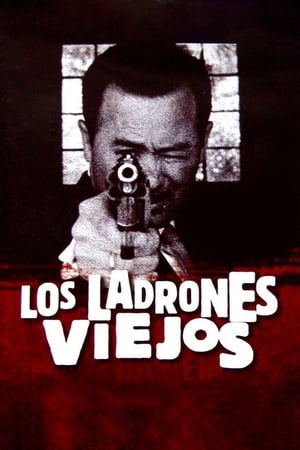
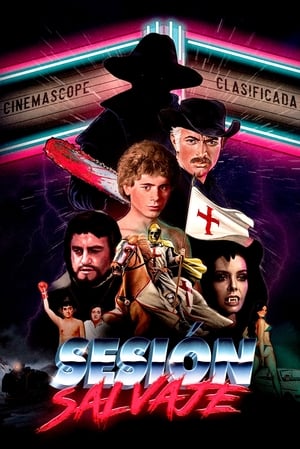
A walk through the golden age of Spanish exploitation cinema, from the sixties to the eighties; a low-budget cinema and great popular acceptance that exploited cinematographic fashions: westerns, horror movies, erotic comedies and thrillers about petty criminals.
In 1975, as America faced social and political upheaval, filmmakers turned chaos into art.
Eight men escape from the most isolated prison on earth. Only one man survives and the story he recounts shocks the British establishment to the core. This story is the last confession of Alexander Pearce.
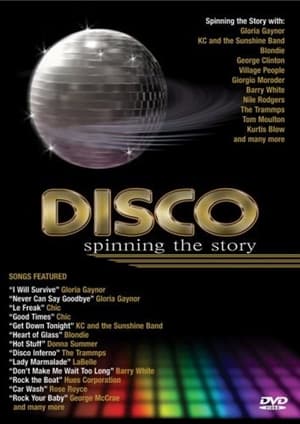
Hosted by the one and only Disco Diva, Gloria Gaynor, "Disco: Spinning the Story" takes a comprehensive look at the evolution of the music that defined the 70's. From the recording studios to the dance floors, "Disco: Spinning the Story" examines the phenomenon in a way it has never been told before. Hear funk pioneer George Clinton, Donna Summer producer Giorgio Moroder, Nile Rodgers of Chic, Earl Young of the Trammps, hip-hop icon Kurtis Blow, remix legend Tom Moulton, "Saturday Night Fever" actress, Karen Lynn Gorney and even Bob Weir of The Grateful Dead talk about the roots of Disco, how it emerged, and how it has influenced music ever since. Included are vintage performance highlights from Donna Summer, KC & The Sunshine Band, Bee Gees, Chic, Gloria Gaynor, Rose Royce, Labelle, Hues Corporation and many more.
Documentary on the French comedian, actor, humanitarian and legend Coluche.
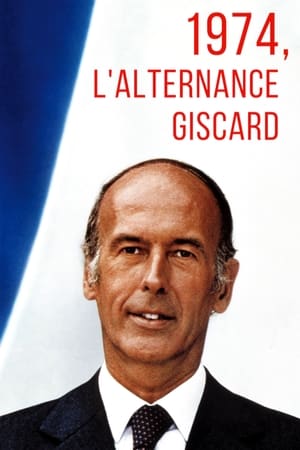
In May 1974, Valéry Giscard d'Estaing became the third President of the Fifth Republic. An alternation of power that did not speak its name opened the doors of power to a reforming president. Abortion, divorce by mutual consent, lowering the age of majority to 18 - in less than two years, the youngest President of the Republic - at the time - carried out reforms with a vengeance, without a united majority in Parliament, before failing in the economic sphere and losing the battle against unemployment. At the age of 90, the former President of the Republic has agreed to look back on these years and gives us a valuable account of his time in power.
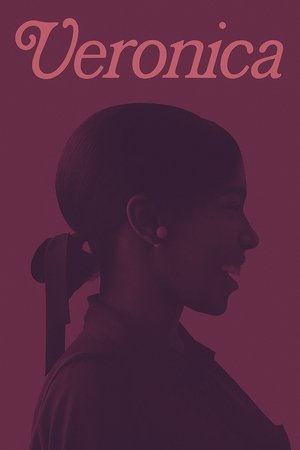
The film focuses on Veronica Glover, a black teenager who has been elected to the Student Congress of her predominantly white high school in New Haven, Connecticut. Hoping to use her position to encourage conversation between her black and white classmates, Veronica narrates her experience in voiceover as we see brief, revealing scenes from her life: a debate in an African Literature class, discussions with her friends, and time spent with a teacher/counselor.
A two-year investigation uncovers a scandal behind the making of one of the most recognized photographs of the 20th century. Five decades of secrets are unraveled in the search for justice for a man known only as "the stringer."
January 15, 1970: Untold Memories of the Nigeria-Biafra War is a documentary that tells the story of the Nigeria-Biafra war and its end on January 15, 1970. The documentary was produced by the Center For Memories (CFM) in 2020. It features personal accounts from victims of the war, who shared their experiences to help with healing and reconciliation. The Nigeria-Biafra war, also known as the Nigerian Civil War, was fought between Nigeria and the Republic of Biafra from 1967 to 1970. The war was one of the first to be televised globally, and images of starving Biafran children were shown in the mass media of Western countries. The war highlighted challenges in pan-Africanism and the Organization of African Unity.
May 27th, 1971 was a rainy day. In the small town Radevormwald, the world seems to be still in order. But on this day, 46 people die in a train crash, amongst them 41 schoolchildren. Since then, Radevormwald has been connected with one of the worst railway catastrophes of Germany. The touching documentary reconstructs the tragedy and shows how much the event still influences the life in the town until today.
Filled with raunchy laughs, this documentary compiles outrageous scenes from sex-comedies that shaped Brazil's "pornochanchada" boom of the 1970s.
Michael Cockerell sheds new light on the tragi-comedy of the 1970s by focusing on some of its most controversial characters. With fresh filming and new interviews, along with a treasure trove of rare archive, the film presents the inside story of giant personalities who make today's public figures look sadly dull in comparison. The well-known journalist revisits some of his films on the big characters who helped shaped the 1970s in Britain. Both tragic and comic, it highlights just how much our world has changed in four decades.
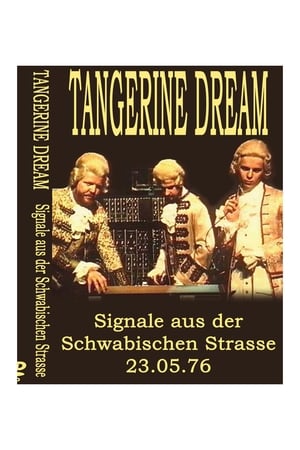
German TV film, also shown on Spanish TV in 1976, this is a film all about TD which includes informal interviews and concert/studio footage, most of which seems to have been done exclusively for the film. The interviews are in the German language. The street name in the title refers to where Edgar Froese used to live in Berlin (apparently Klaus Schulze lived on the same street at the time) and is now the site of the TDI offices.