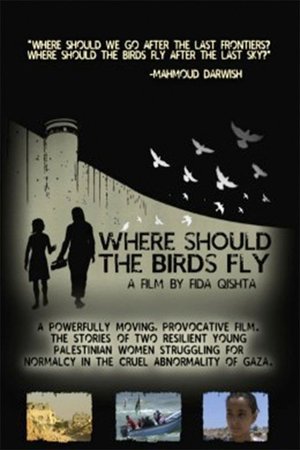
Rafah is located in the southern Gaza Strip. It’s a city cut in two by the Philadelphia Road, a security corridor between Sinai and Gaza. It’s destiny changed during the night of 12 September 2005, when the Israeli army withdrew from the Gaza Strip. The Israelis evacuated the Philadelphia Road and the colonies surrounding the city disappeared. But Rafah would never emerge from its chaos. Rafah is the hub of arms trafficking between Egypt and the Gaza Strip. Since the Israeli withdrawal, these arms have contributed to the bloody wars between families. After the Hamas victory at the legislative elections, the city sank into a major economic crisis. On 25 June, 2006, Israeli corporal Gilad Shalit was abducted by Palestinian militants using a tunnel dug from Rafah. In reprisal, Tsahal shelled the houses of arms dealers located along the Philadelphia Road. By 12 September, 2006, a year after the withdrawal, all hopes of rebirth had died.
London students and academics protest the genocide in Gaza.
An autobiographical work that traces the director’s return to Israel in the midst of its traumatic moment and horrific acts in Gaza. As his aging father suffers the onset of dementia, Sharim’s poetic meditations on loss are juxtaposed against the conflicted, agonizing histories of Palestine and Israel, and a destabilized future.
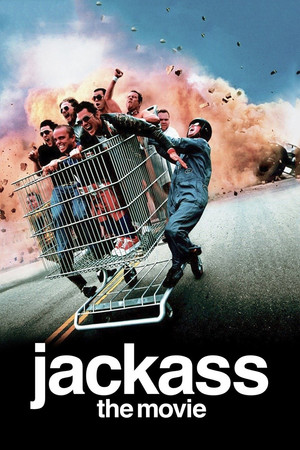
Johnny Knoxville and his band of maniacs perform a variety of stunts and gross-out gags on the big screen for the first time. They wander around Japan in panda outfits, wreak havoc on a once civilized golf course, they even do stunts involving LIVE alligators, and so on.
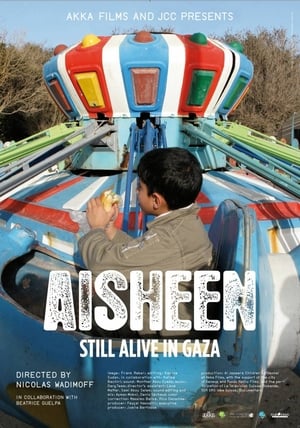
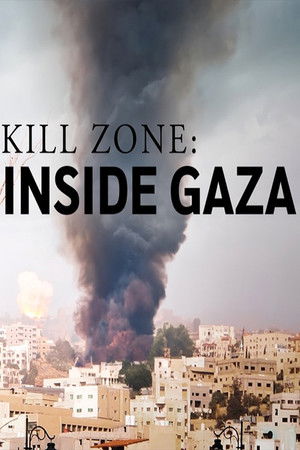
Going behind the usual images of war-torn Gaza, Swiss documentarian Nicolas Wadimoff offers this look at how people survive despite constant threat of danger. Children still play, rappers still create music and families still love one another. In addition to visiting the United Nations Food Distribution Center, Wadimoff films at a derelict amusement park and profiles the DARG TeaM rappers, whose politically charged music proclaims their defiance.
Twenty-five years after the verdict in the Rodney King trial sparked several days of protests, violence and looting in Los Angeles, LA 92 immerses viewers in that tumultuous period through stunning and rarely seen archival footage.
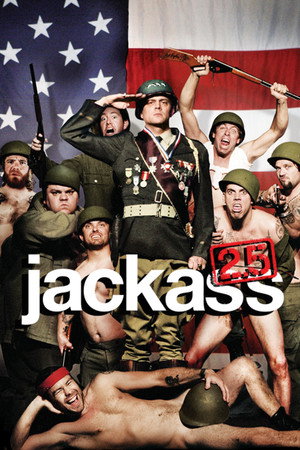
The crew have now set off to finish what as left over from Jackass 2.0, and in this version they have Wee Man use a 'pee' gun on themselves, having a mini motor bike fracas in the grocery mall, a sperm test, a portly crew member disguised as King Kong, as well as include three episodes of their hilarious adventures in India.
Breaking Ranks: Inside Israel’s War presents the first-hand recollections of IDF soldiers who have broken official silence to share their experiences of the war in Gaza - accounts that may raise serious questions about conduct on the ground and potential breaches of international law. Directed by award-winning filmmaker Ben Zand, the film features exclusive interviews with Israel Defense Forces (IDF), reservists and veterans - many speaking for the first time - who served during the war in Gaza. Their testimonies describe what they recall as indiscriminate bombardment, instances where Palestinian civilians were used as human shields, and an operational culture that some soldiers characterised as “no innocents in Gaza.”
Winner of the Jury’s Special Mention at the 18th Al Ard Film Festival in Sardinia, Bank of Targets documents Israel’s targeting of civilian infrastructure in Gaza in 2021. Through a first-hand account of the bombing of a residential building, Sarraj highlights the efforts of journalists to create a record of war crimes as they unfold. Sarraj was killed in his home by an Israeli air strike on 22 October, 2023.
Samer lives in Ramallah in the West Bank. His family lives in Gaza, one hour away. They have not seen each other for six years. When Mustafa went for a visit to Gaza in 2006, he was 18 years old. He was never allowed to return – his mother Hekmat has been fighting to see him again for seven years now. Two families torn apart. They share the same “crime”: being registered with a Gaza address in their Identity Cards. Under Israeli rule, they are considered “infiltrators” in their own country. Their lives have turned into a permanent struggle. Parents can only talk to their sons on the phone; sisters can only see their brothers on the internet – mothers and their children fighting to be together at last…
Free Fish is a short documentary filmed over the course of a year in Gaza, following two brothers — Abu Nagham and Ahmad — separated by war yet connected by the sea. Displaced from their home, Abu Nagham now lives in a tent in the south, fishing with his young nephew Rami, who lost his twin brother. Ahmad remains in the north, fishing amid ruins and occupation. Once a source of livelihood and freedom, the sea has become a battleground — heavily restricted, constantly watched, and always dangerous.
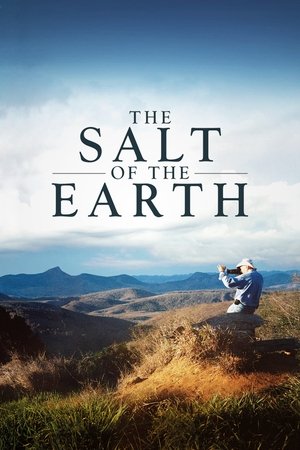
During the last forty years, the photographer Sebastião Salgado has been travelling through the continents, in the footsteps of an ever-changing humanity. He has witnessed the major events of our recent history: international conflicts, starvations and exodus… He is now embarking on the discovery of pristine territories, of the wild fauna and flora, of grandiose landscapes: a huge photographic project which is a tribute to the planet's beauty. Salgado's life and work are revealed to us by his son, Juliano, who went with him during his last journeys, and by Wim Wenders, a photographer himself.
This is not a film about gun control. It is a film about the fearful heart and soul of the United States, and the 280 million Americans lucky enough to have the right to a constitutionally protected Uzi. From a look at the Columbine High School security camera tapes to the home of Oscar-winning NRA President Charlton Heston, from a young man who makes homemade napalm with The Anarchist's Cookbook to the murder of a six-year-old girl by another six-year-old. Bowling for Columbine is a journey through the US, through our past, hoping to discover why our pursuit of happiness is so riddled with violence.
Saud now lives in Paris, caring with devotion and tenderness for his two young children while closely following the drama in Gaza. “It's hard to be far away.” He speaks sadly of his situation as a Palestinian citizen of Israel. When he accompanies his daughter to school, they both stick up placards for the liberation of Palestine...
The documentary focuses on images of women in advertising, in particular on gender stereotypes, the effects of advertising on women's self-image and the objectification of women's bodies.
A collection of death scenes, ranging from TV material to homemade super 8 movies.
Jackass Number Two is a compilation of various stunts, pranks and skits, and essentially has no plot. Chris Pontius, Johnny Knoxville, Steve-O, Bam Margera, and the whole crew return to the screen to raise the stakes higher than ever before.
A meeting between two strangers sparks the desire to understand each other through the medium of cinema. They both simultaneously start recording their surroundings on camera and crafting the resulting footage. They, Elettra from Italy and Hazem from Gaza, become the subjects of this film that documents their first moments together. It depicts a multi-faceted reality in which North and South confront each other in a discussion on rights and inequalities, a reality in which we witness a migration towards one another, while capturing an intimate way of making a film together.
Gaza From Within: Return to Seifa Village
The Museu da Pessoa challenged filmmakers to create films based on the many interviews that are part of the site's collection, and the result is an essay based on the interview with Francisco Edmisio da Silva, who migrated to São Paulo full of dreams and found a new reality.