Coral reefs are believed by many to have the highest biodiversity of any ecosystem on the planet. A lot of the life found here can seem very alien at first, they occupy less than 1 percent of the ocean floor but yet are home to more than 25 percent of all marine life. Warm water reefs typically come to mind when thinking of the Pacific Ocean and the Caribbean Sea, these reefs are very well known but they don’t just occur in warm waters. In this one hour special, we are brought into this alien environment and discover for ourselves a strange, hidden world that is simply abundant with life, ranging from the weird to the wonderful.
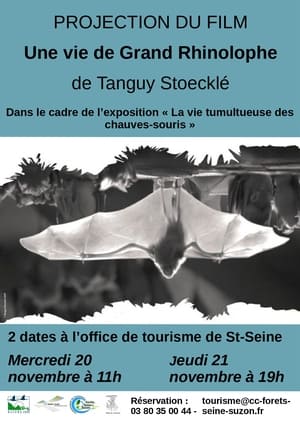
There is a fabulous colony of Greater Horseshoe Bats in the heart of the Camargue. This species of bat is one of the most amazing. A true little clown equipped with the very latest biological technologies, the Greater Horseshoe Bat is as rare as it is mysterious. "The life of a Greater Horseshoe Bat" invites you to share the life of a young female and her mother, for better or for worse...
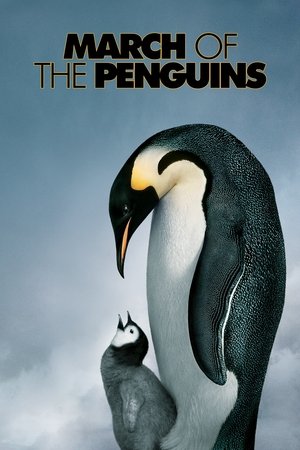
Every year, thousands of Antarctica's emperor penguins make an astonishing journey to breed their young. They walk, marching day and night in single file 70 miles into the darkest, driest and coldest continent on Earth. This amazing, true-life tale is touched with humour and alive with thrills. Breathtaking photography captures the transcendent beauty and staggering drama of devoted parent penguins who, in the fierce polar winter, take turns guarding their egg and trekking to the ocean in search of food. Predators hunt them, storms lash them. But the safety of their adorable chicks makes it all worthwhile. So follow the leader... to adventure!!
Le peuple du requin et moi
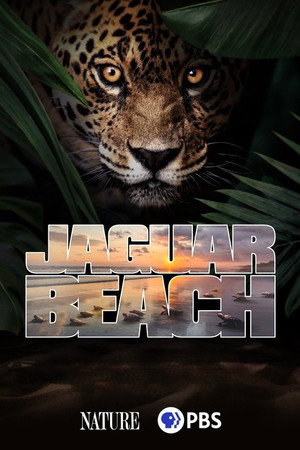
In a remote region on the Pacific coast of Costa Rica, a lush landscape characterized by volcanoes meets tropical dry forest. Right there is a very special beach where two completely different species meet: sea turtles and jaguars. This has spectacular consequences for both sides and their environment. The two animals form an alliance that is as surprising as it is unintentional. The predator suddenly becomes a protector.
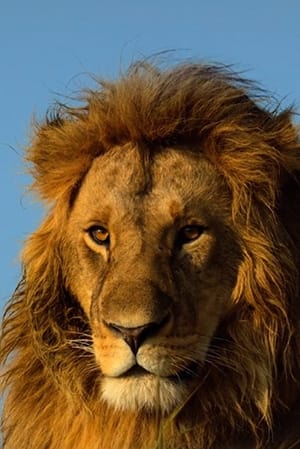
Serengeti, one of the last great biodiversity oases on the planet. A place where nature still reigns supreme. But how long will this idyllic image last?
An ode to the Florida Everglades, past and present, told through the prescient writings of Marjory Stoneman Douglas and those who today call the region home.
With 30 football fields of forest lost each minute in the world, we need to know now if we can save nature. This is the story of one conservation project, Restorasi Ekosistem Riau (RER). After decades of land-clearing and burning across Sumatra, the remote Kampar Peninsula is now the last great peatland rainforest on the island. But protecting this vast ecosystem pushes the RER team to the limits
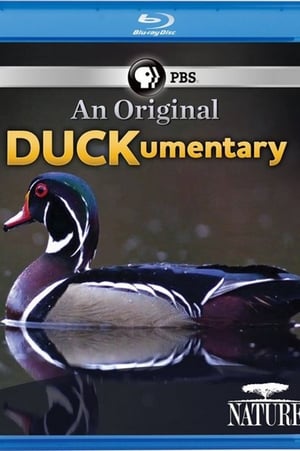
Ducks are true originals. There are more than 120 different species of ducks in all, a fantastical group of complex characters. Ducks have a talent for survival, and life stories filled with personality and charm. Each bird is more fun than the last, and will leave you wanting more.
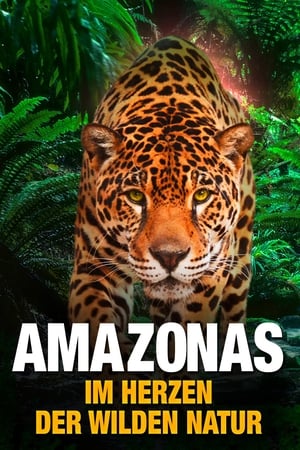
AMAZON 3D
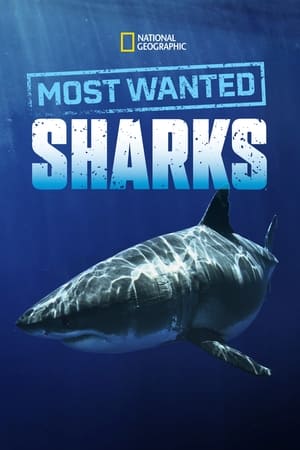
Whether it's the biggest great white, the most photographed tiger shark, or the shark known for jumping 100 feet up out of the water, we're diving into the stories of the greatest shark stars of all time.
The River Danube is home to a fish that grows larger than the Great White Shark. Although it leads a secretive life, the Beluga Sturgeon – the King of the Danube – produces the most prized food in the whole world. For over 200 million years, the 8-metre long fish had no enemies, and yet today it is on the verge of extinction. Evolution did not prepare the fish for pollution, river regulation and overfishing. Beluga caviar is traded for up to 20,000 dollars per kilogramme. Ironically, the high price of this precious product could save the animals from a premature disappearance from planet earth.
La vérité si je menthe
The courtship behavior of Great Bustards is studied. The male Great Bustard is considerably larger than the female. This impression is reinforced during courtship when the male dances in front of the female, showing the light undersides of its wings and inflating its throat pouch.
In the northern reaches of Manitoba, resting on the edge of Canada’s Hudson Bay, sits the small town of Churchill. Home to fewer than 1000 year-round residents, Churchill is a remarkable place: it plays host to an annual beluga whale migration, is visited by the Northern Lights over 300 times per year, and sits in a pristine tundra that truly embodies the term “wilderness”. Churchill’s most famous visitor, however, is the mighty Polar Bear. Every year, hundreds of bears gather on the shoreline surrounding Churchill, awaiting the sea ice that forms on Hudson Bay during winter. Once it forms, they’ll use it as a platform from which to hunt seals, but until then, they wait on the coast, creating a fascinating, and potentially dangerous, interaction between the residents of Churchill and the world’s largest land carnivore.
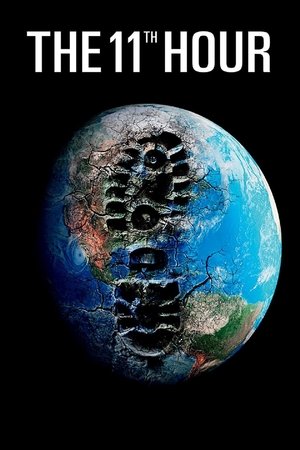
A look at the state of the global environment including visionary and practical solutions for restoring the planet's ecosystems. Featuring ongoing dialogues of experts from all over the world, including former Soviet Prime Minister Mikhail Gorbachev, renowned scientist Stephen Hawking, former head of the CIA R. James Woolse
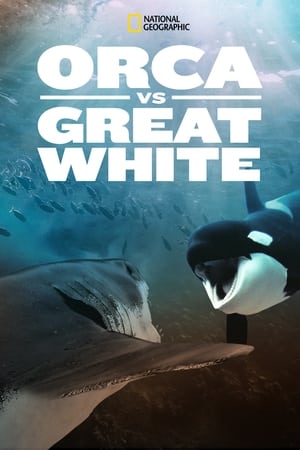
Researchers investigate whether orcas have begun hunting great white sharks off the coast of New Zealand.
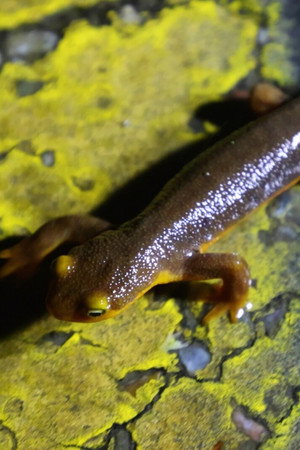
Roads are a major cause of habitat fragmentation for many animals and are a severe threat to many species. This story is about the newts of Chileno Valley in Petaluma, California and the group of people trying to help them survive their yearly migration to Laguna Lake.
Gibbons are highly intelligent, agile and acrobatic tree-dwelling apes, found in the tropical forests of Asia. Most of the gibbon species are highly endangered and are on the verge of extinction as a result of the destruction of their tropical rain forest habitat as well as being hunted for food.
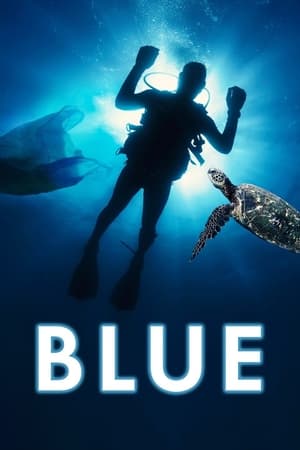
From space, our planet appears as a tiny blue dot in the vastness of space. Blue, because 99% of all living space on Earth occurs in the Ocean. But the seas are under threat. The industrialization that has occurred in the oceans over the last century mirrors the events that triggered mass extinctions on land. As we learn of the ecological crimes occurring worldwide, we also uncover the shocking truths happening on our own shorelines.