A war. Two friends. Chaos will reign.
This documentary speaks to local activist groups in the music industry and culture scene to find out why people are driven to fight back and speak out on subjects they’re passionate about. With an aim of inspiring the next generation, each activist gives their advice on how you can put a cause you are passionate about in the local scene into action. Hope Lynes spoke to Phil Douglas from LGBTQIA+ organisation Curious Arts; grassroots promoter Hana Harrison from Art Mouse; Tracks' Sarah Wilson, who campaigns for better female representation in the music scene with her project Noisy Daughters; Chantal Herbert from feminist Black and queer-led organisation Sister Shack; and disability activist and musician Ruth Lyon. It’s hoped that this intimate and personal documentary will explore the starting points to beginning your own activism.
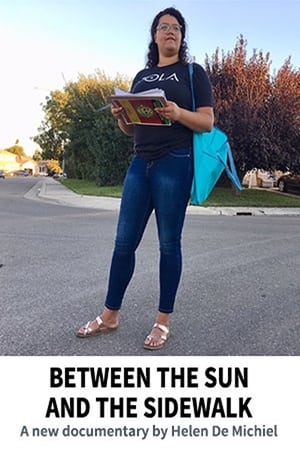
Christian Garcia, a fiercely dedicated Latino political organizer, leads a team of young people mobilizing their community for a soda tax. Tested during their fight for the right to vote, the young recruits dare to beat back the goliath soda industry and ignite a youth-powered movement for health equity and justice.
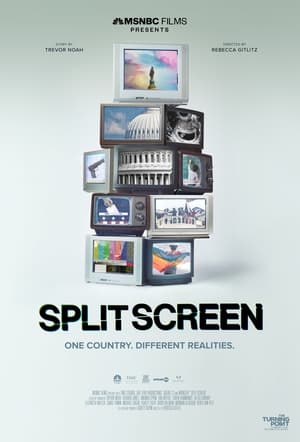
The story of January 6, 2021, where approximately 2000 people stormed the US Capitol to stop the certification of the Electoral College Votes, killing some and leaving over 140 injured. A firestorm of angst, anger, violence and confusion.
Quando il Cielo Cade
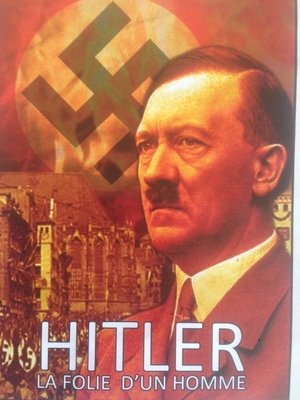
Hitler, la folie d'un homme
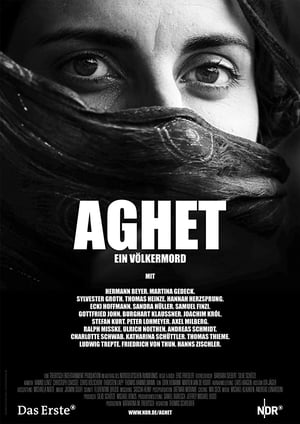
2010 documentary film on the Armenian Genocide by the Young Turk government of the Ottoman Empire during World War I. It is based on eyewitness reports by European and American personnel stationed in the Near East at the time, Armenian survivors and other contemporary witnesses which are recited by modern German actors.
A surreal exploration of the war in Bosnia told through the unbreakable spirit of seven of her people whose strength to leave was as powerful as the fight to stay. Through the lens of diaspora, the film captures not just the weight of displacement, but the defiant act of survival and the unwavering pursuit of home, no matter where the journey leads.
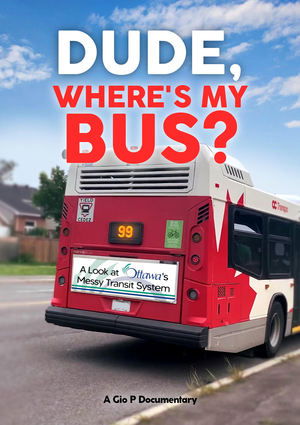
Filmmaker Gio Petti takes an in-depth look at the city's troublesome transit system in his documentary, Dude, Where's My Bus?. His nearly 2 year-long independent investigation delves into the frustrations of daily commuters in Ottawa and more deeply explores the systemic issues plaguing OC Transpo and their effects on the community. Beginning in the South End Suburbs of Ottawa, Dude, Where's My Bus? peels back layers leading to a broader investigation into issues plaguing the once model transit system. From late buses in neglected areas of the city, sprawl and the greenbelt, to the ever more controversial Confederation Line and the P3 system that built it, Petti aims to explore the impact of policy missteps and broken promises on Ottawa's transit users, with an optimistic look to the future.
World War II drama where the action centers around a single maneuver by a squad of GIs in retaliation against the force of the German Siegfried line. Reese joins a group of weary GIs unexpectedly ordered back into the line when on their way to a rest area. While most of the men withdraw from their positions facing a German pillbox at the far side of a mine-field, half a dozen men are left to protect a wide front. By various ruses, they manage to convince the Germans that a large force is still holding the position. Then Reese leads two of the men in an unauthorized and unsuccessful attack on the pillbox, in which the other two are killed; and when the main platoon returns, he is threatened with court-martial. Rather that face the disgrace, and in an attempt to show he was right, he makes a one-man attack on the pillbox.
Battle of the Bulge, World War II, 1944. Lieutenant Costa, an infantry company officer who must establish artillery observation posts in a strategic area, has serious doubts about Captain Cooney's leadership ability.
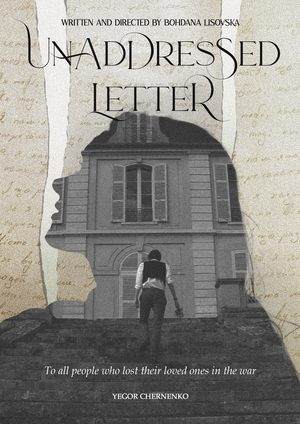
Postwar times. A former soldier writes a letter to his wife, recalling their life together. He talks about their home, about the city that survived, about the fountain that dried up. But it gradually becomes clear that these letters will never be read. A story about the pain of loss and the inability to let go of the past. A movie about love that lives in words that will never find their addressee.
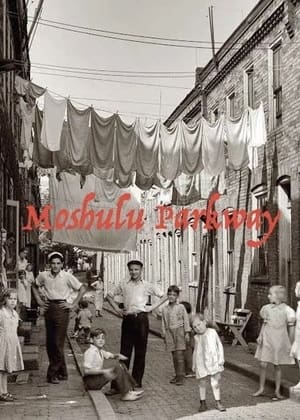
Mosholu Parkway is a short film comedy about a day in the life of a raucus family during World War II, a teenaged girl's disastrous blind date and her 80-year-old aunt who runs a crap game out of her apartment in The Bronx, New York in 1942 . Director Allison Robbins Writer Allison Robbins Stars Caroline AaronMatthew BrodskyMike Cefalo
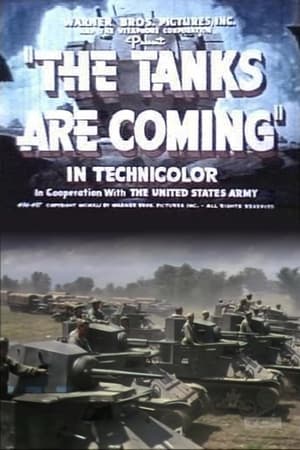
Educational short about the status of battle tanks and tank training in the U.S. Army in pre-War 1941, featuring a comical Army trainee from the Bronx.
Over seven years, three couples involved in the extreme sport of BASE jumping test the limits of love and life itself. Risking everything for the thrill of the jump, their dedication is put to the ultimate test.
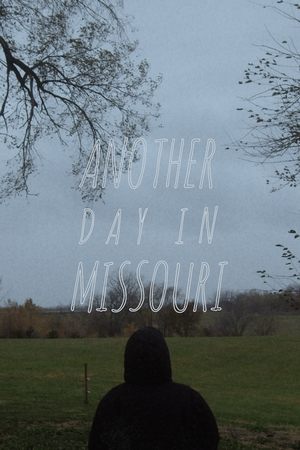
An inside look at Jessica Piper, a Democratic Candidate running for a House seat in District 1 of Missouri. This is a snapshot of her mind and what it feels like to run a campaign in an overlooked place.
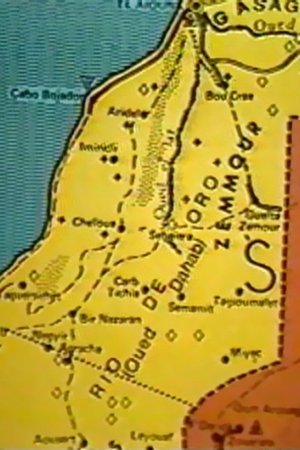
A historical analysis of the on-going war in the Western Sahara. Liza Bear interviews Abdullah Majdid, the Polisario Front's United Nations representative. The tape addresses Morocco's U.S.-backed military effort to subjugate the indigenous Sahrawi population and annex one of the world's largest phosphate deposits, as well as the Sahrawis' conditions for a referendum.
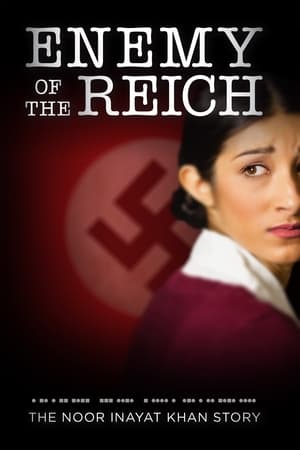
In 1943, Noor Inayat Khan was recruited as a covert operative into Winston Churchill's Special Operations Executive. With an American mother and Indian Muslim father, she was an extremely unusual British agent. After her network collapsed, Khan became the only surviving radio operator linking the British to the French Resistance in Paris, coordinating the airdrop of weapons and agents, and the rescue of downed Allied fliers.
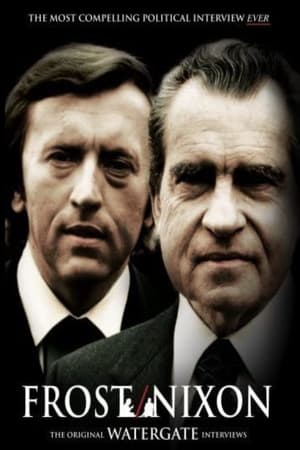
This program, culled from the over 28 hours of interview footage between Sir David Frost and U.S. President Richard M. Nixon, was originally broadcast in May of 1977. Never before, nor since, has a U.S. President been so candid on camera. Even more intriguing is the fact that Nixon agreed to appear on camera with no pre-interview preparation or screening of questions.
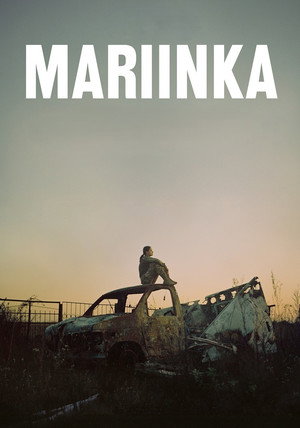
In Eastern Ukraine, childhood neighbors find their lives violently derailed by a shifting frontline. Natasha, a promising boxing talent, becomes a military paramedic. Angela, who lost her parents at a young age, survives by moving goods to both sides of the front. Caught in a modern Greek tragedy, brothers Mark and Ruslan now fight on opposite sides – against each other. In the safety of his adoptive family in the United States, their youngest brother Daniil follows the war from afar.