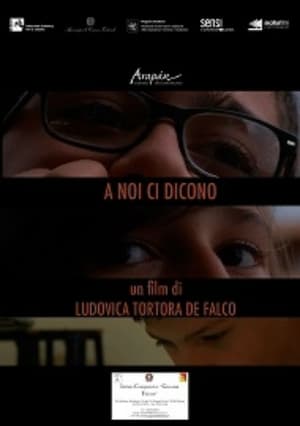
Fabrizio, Dante and Roberto have 14 years old and they live in Palermo in the ZEN. How is their life, their universe?
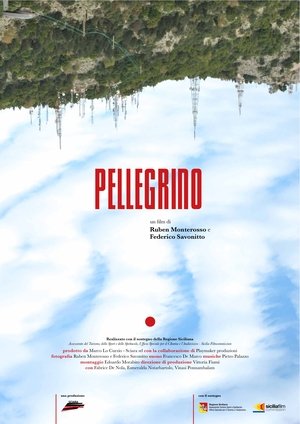
Pellegrino
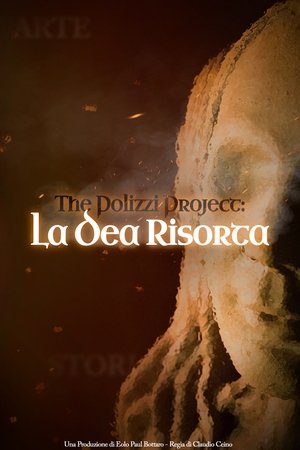
When Australian artist Eolo Bottaro revives the lost Triform Goddess Isis, Polizzi's forgotten history revives. This gripping documentary captures the statue's creation, the town's awe, and the artist's unexpected bond with the Sicilian town.
The life of Giuseppe, Maria, and their friends growing up in the charming Sicilian village of Villabate, which evolves over generations.
January 6, 1980. President of the Sicily Piersanti Mattarella is going to Mass with his family when a young man approaches his car and shoots him in cold blood, killing him. The young Deputy Prosecutor on duty that day is Pietro Grasso, future General Anti-Mafia Prosecutor and President of the Italian Senate. His investigations are continued by Giovanni Falcone, who uncovers dangerous connections between the Mafia, the ruling Christian Democratic Party, neo-fascist terrorists, and secret services.
Sicilian photojournalist Letizia Battaglia began a long battle against the ruthless Cosa Nostra when she first photographed the sinister scene of a brutal murder. Documenting the barbaric rule of the Italian Mafia, she was an unwavering witness to its crimes. Her art and courage helped end the horrific and bloody reign of the Corleonesi clan.
Testimonies of young women, the jealousy of their boyfriends, the indifference of their fathers, the intransigence of the stereotypes that pass through them. 10 episodes of an experimental web-series on sexism and gender violence, born immediately after the rape in Palermo in July 2023 in an attempt to build a counter-narrative that demystifies the macho and misogynistic mythologies of the media and the collectives, against the backdrop of anthropological considerations on “men who hate women”. Disturbing, percussive and pounding like all the works by canecapovolto, a place in which to penetrate the problem and extract its roots for a greater understanding of things. The series is copyright-free, it can be freely reshared by anyone.
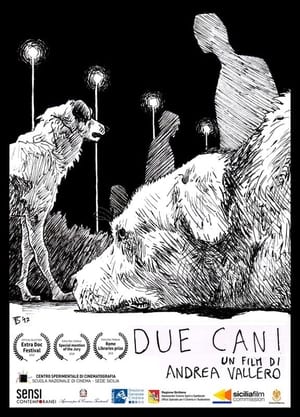
Due cani
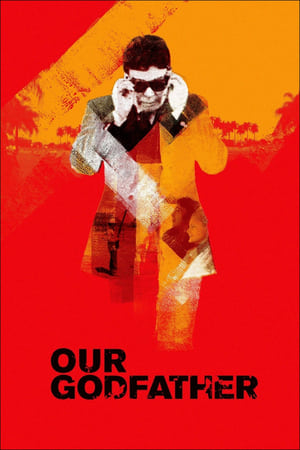
The story of how Sicilian Mafia boss Tommaso Buscetta (1928-2000), the Godfather of Two Worlds, revealed, starting in 1984, the deepest secrets of the organization, thus helping to convict the hundreds of mafiosi who were tried in the trial held in Palermo between 1986 and 1987.
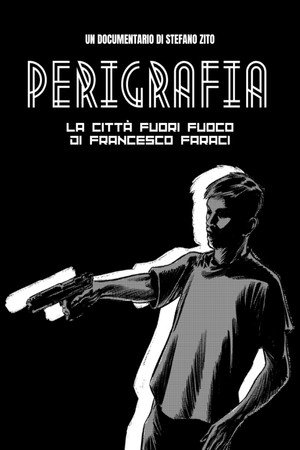
The documentary explores the outskirts of Palermo through the lens of photographer Francesco Faraci, whose work paints a portrait of the “out-of-focus cities”—areas that have long been marginalized, exploited, and rarely the recipients of adequate investment. This structural neglect has contributed to the entrenchment of conditions of decay, poverty, and a lack of opportunities, fostering the rise of power structures alternative to the state, foremost among them the mafia. Through the story of his own experiences in Sicily’s suburbs, the photographer reflects on possible strategies for regenerating these places, highlighting how they still represent spaces capable of preserving a human and relational authenticity that has progressively disappeared from urban centers.
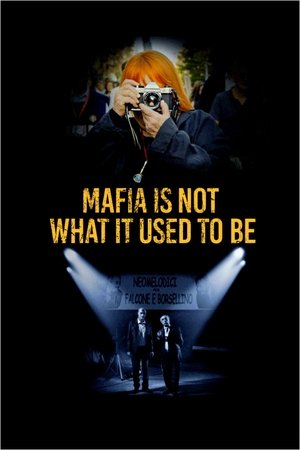
Palermo, Sicily, Italy, 2017. Twenty-five years after the murders of anti-mafia judges Giovanni Falcone, on May 23, 1992, and Paolo Borsellino, on July 19, 1992; and on the occasion of the tributes held in memory of both heroes, skeptical photographer Letizia Battaglia, chronicler of their titanic combat, criticizes the opportunism of shady characters who, like businessman Ciccio Mira, profit from the commemoration of both tragedies.
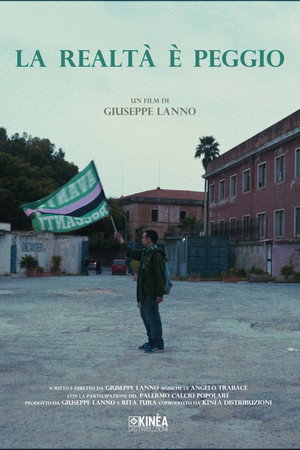
In Palermo (Italy), a group of supporters found a grassroots football club to oppose the commercial model of modern football and return the game to its community, while the daily lives of members, players, and volunteers intertwine through personal sacrifices, dreams, and resistance.
Letizia Battaglia (1935–2022) stands among the greatest figures of Italian social documentary photography. At nearly forty, this mother of three left everything behind to become a photojournalist and started working for the newspaper L’Ora. She captured her native Palermo with rare intensity, documenting both the brutal grip of the Cosa Nostra on the city and the everyday lives of its inhabitants with a focus on women and children. A committed activist, she became politically involved in the fight against the mafia during the 1980s. In this intimate portrait, Letizia Battaglia tells her story through her most iconic photographs. Through her gaze, at once tender and piercing, the full complexity of Palermo comes to light.
After a long and terrible journey, Nasìr arrives in Italy, where he has the chance to fulfill his big dream and be admitted to a prestigious cooking school. To do so, he will have to cook the most important dish of his life. A dish that, behind a recipe, tells a story.
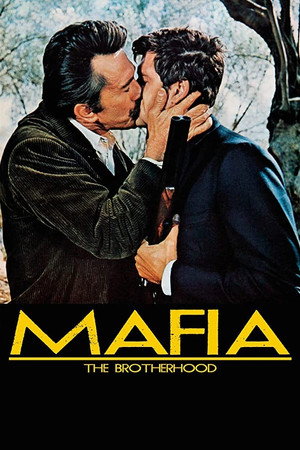
The son of a powerful Mafia don comes home from his army service in Vietnam and wants to lead his own life, but family tradition, intrigues and powerplays involving his older brother dictate otherwise, and he finds himself being slowly drawn back into that world.
Palermo, Sicily, 1984. Examining magistrate Giovanni Falcone allies with Tomasso Buscetta, a former mobster, to defeat the clan of Corleone, the ruthless Mafia faction that rules Cosa Nostra with an iron hand, cruelly eliminating all those who dare to oppose its immense power: other criminals, policemen, judges, even innocent civilians. One of them wants revenge, the other wants justice. But only one can survive such an unequal fight.
Casanova, a young patriot in 18th-century Sicily, upon learning that his father and sister have been murdered, returns to Palermo and engages in guerilla tactics against the forces of the Governor. Lady Bianca, the Governor's daughter, is in love with one of the patriots, Lorenzo, and desires to escape from the palace. Her lady-in-waiting, Zanetta, enlists the aid of Casanova and he rescues them and takes them to the partisan's camp. The rebels are victorious. Lady Bianca makes plans to marry Lorenzo, and Casanova and Zanetta have similar plans.
FENNEL
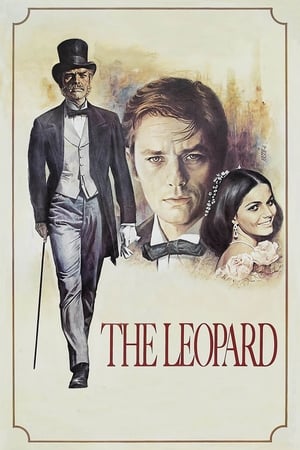
As Garibaldi's troops begin the unification of Italy in the 1860s, an aristocratic Sicilian family grudgingly adapts to the sweeping social changes undermining their way of life.
Young men with no future have little in the present as well. Natale is released from prison: he takes up with his friends again but none can find work. Claudio, from Palermo, gets out of juvenile detention in Naples and he's met by Vita, a girl who's come from home to run away with him. Where can they go? A young dad, whose potato stall at the market is shut down because he has no permit, takes his two small children to the beach and yells at them. Mario, gay, a prostitute in drag, gets a visit from his mom; he offers tea, then finds the water to his apartment is shut off. Social workers drop by, parole officers file reports. What hope is there? What options besides crime?