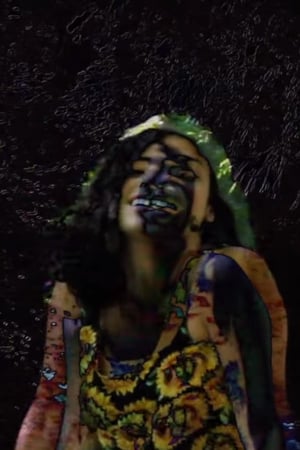
The world appears black on black until it separates from itself, looks at itself, includes itself, and sees colour.
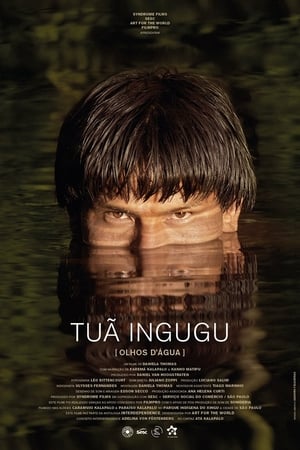
In the Kalapalo cosmogony (an ethnic group that lives in the Xingú Indigenous Park), water is as old as humans and is the source of life. That is where all their sustenance comes from, their food, their drink, their joy. The idea of using water as a dumpster, of poisoning water is a dystopia. In this documentary Chief Faremá —from Caramujo village on the banks of the Kuluene River— tells us about the birth of water and warns us about the consequences of disrespecting it.
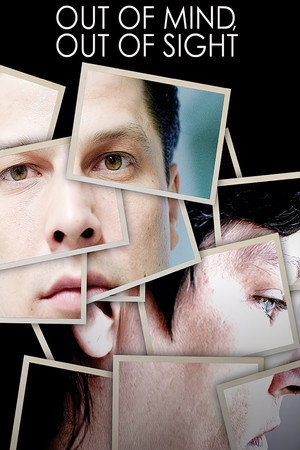
Four-time Emmy winner John Kastner was granted unprecedented access to the Brockville facility for 18 months, allowing 46 patients and 75 staff to share their experiences with stunning frankness. The result is two remarkable documentaries: the first, NCR: Not Criminally Responsible, premiered at Hot Docs in the spring of 2013 and follows the story of a violent patient released into the community. The second film, Out of Mind, Out of Sight, returns to the Brockville Mental Health Centre to profile four patients, two men and two women, as they struggle to gain control over their lives so they can return to a society that often fears and demonizes them.
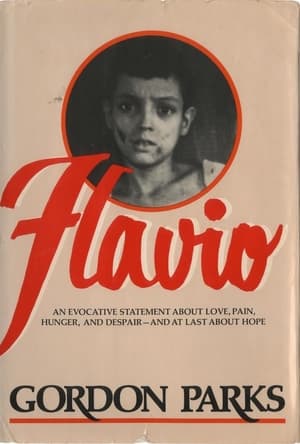
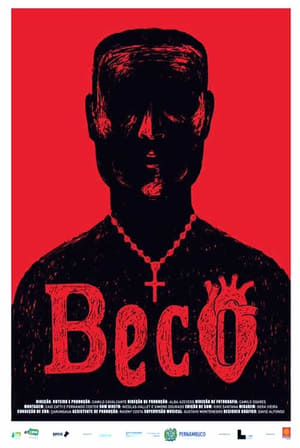
Documentary about a boy living with his family in extreme poverty in Rio de Janeiro.
Beco
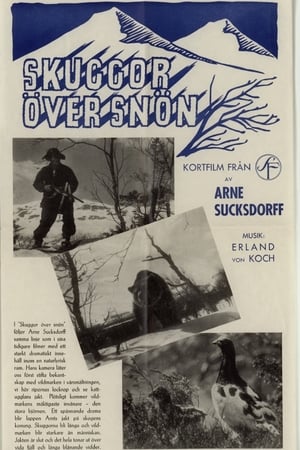
A nature documentary about the predators in the Swedish winter mountains: the owl, the bear and man.
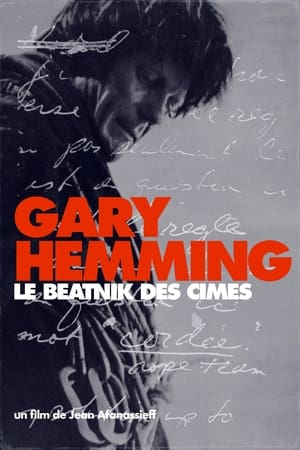
The American mountaineer Gary Hemming marked the era of the 1960s. The story of this "exceptional" character is intimately linked to that of the rescue of the two German mountaineers on the west face of the Drus, in 1966, a rescue which he had took the initiative. While the official emergency services of the EHM try to reach them from above, a pirate rope made up of Gary Hemming, René Desmaison, Lothar Mauch, Gil Bodin, Mike Brurke, François Guillot, the filmmaker Gérard Bauer organizes to join them from below and succeeded after a fierce struggle the rescue. The press seizes the event and elevates Gary Hemming to the rank of national hero. All the newspapers feature this big guy with a cool attitude, mismatched clothes, jovial smile and long blond hair on the front page. From then on, he was nicknamed: "the beatnik of the peaks".
The story of two fawns. Little Uwe had brought them home from the forest, unaware that he was putting their lives in grave danger, because does will not accept fawns that have been touched by humans.
The Drill family lives in a big city house where everything runs smoothly. The father drives a small van with groceries, the son rides a motorcycle, the daughter rides a bicycle, and Mr. Höflich from the floor below, who adores the daughter, drives a small car. But in order for everyone to be one big family in traffic, they have to be considerate of each other.
A jetliner spans the miles, sheering through clouds to open sky and scenic vistas of the provinces below. Glimpses of town and country, of people of many ethnic origins, of a resourceful and industrious nation - impressions it would take days and weeks to gather at first hand - are brought to you in this vivid 1800-kilometer panorama.
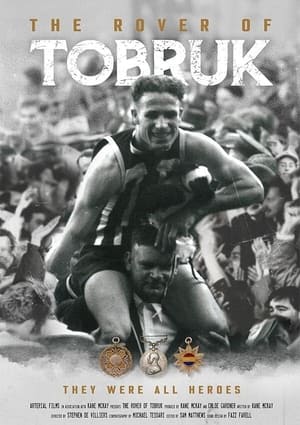
A documentary written by Kane McKay, a returned military serviceman, about Bob Quinn, a recipient of the Military Medal for his heroic actions in World War II in Tobruk, 1941, and also champion player for a number of years at the Port Adelaide Football Club.
'Breaking the Stigma', a student-made short documentary, presents the thoughts and opinions of several students and parents about the youth mental health crisis in the United States – and what it means for future generations that will enter an increasingly technologically-dependent society.
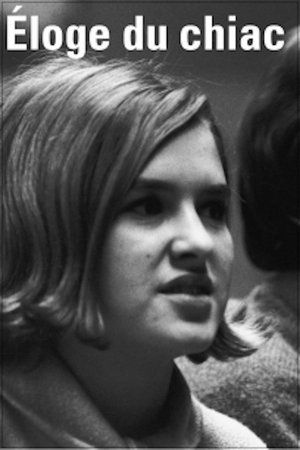
Set in New Brunswick, "Éloge du chiac" takes the form of an open discussion between a young French-language teacher and her students in Moncton. Through their exchanges, Michel Brault examines the challenges of preserving French in a bilingual region where English predominates, and explores the contested status of Chiac, a local French dialect shaped by centuries of linguistic contact.
In October, during the tense days of the Nagorno-Karabakh war, the director takes his camera to the village of Ashagi Nuvedi in Lankaran. The film follows the daily lives of fishermen — Sakhavat, Ramesh, Rza and Tehran — living in the shadow of the war. They go out to sea every morning amid news from the front, fearing empty nets, and hoping for a miracle — a goldfish in difficult days.
An undocumented immigrant explores his and his family's immigration trauma while grasping hope through a voicemail.
A silent film portraying winter across three continents.
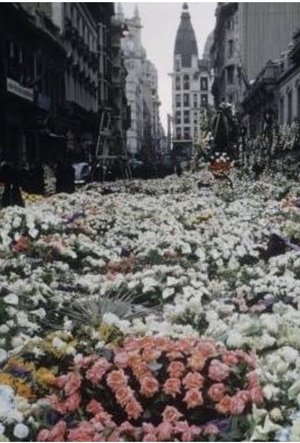
Documentary depicting the funeral of Argentinian First Lady Eva Perón in 1952.
A super 8 projection which references the essay “On the Jewish Question” by Karl Marx.
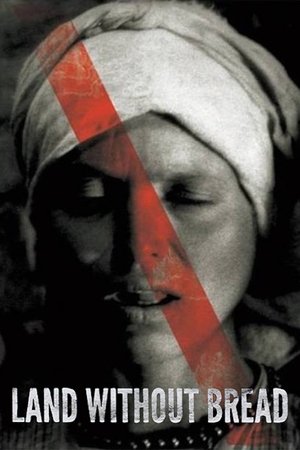
An exploration —manipulated and staged— of life in Las Hurdes, in the province of Cáceres, in Extremadura, Spain, as it was in 1932. Insalubrity, misery and lack of opportunities provoke the emigration of young people and the solitude of those who remain in the desolation of one of the poorest and least developed Spanish regions at that time.
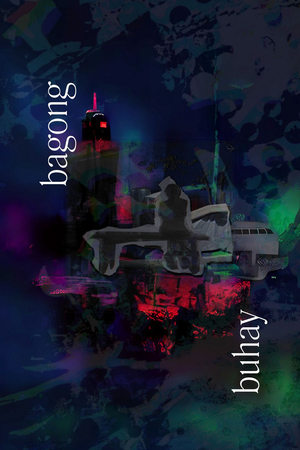
"Bagong Buhay" is a short experimental film that dispels the common belief that packing up and moving to a new place will magically improve one's quality of life. The film challenges this presumption by portraying two contrasting ways of life through objects and locations, encouraging viewers to think critically about the complexities of what makes a better life. In the Philippines, it's believed that relocating to a new area will bring about positive changes in one's existence. True satisfaction is a complex and multifaceted notion, and "Bagong Buhay" encourages us to ponder that relocating to a new place is not a surefire way to attain it.