Modern treasure hunters, led by archaeologist Ben Gates, search for a chest of riches rumored to have been stashed away by George Washington, Thomas Jefferson and Benjamin Franklin during the Revolutionary War. The chest's whereabouts may lie in secret clues embedded in the Constitution and the Declaration of Independence, and Gates is in a race to find the gold before his enemies do.
Greece. A small, impoverished city-state dominated by a massive refinery—its only source of income: oil. The men, all armed, hold absolute power. Their leader, Nikos, is gravely ill and must arrange his succession. Shock spreads when he includes his protégé, Maria, among the contenders. The fate of this young woman—unaware of the most tragic part of her family’s past—will be turned upside down by the arrival of Eleni, a singer at the town’s bar.
Jacob Kaplan lives an ordinary life in Uruguay. Like many of his other Jewish friends, Jacob fled Europe for South America because of World War II. But now turning 76, he is grumpy and in need of adventure. An unexpected opportunity to achieve greatness comes in the form of a quiet, elderly German, who Mr Kaplan believes to be a runaway Nazi. Determined to capture this Nazi, as Eichmann was captured before him, Mr Kaplan surprises everyone when he takes up this challenge.
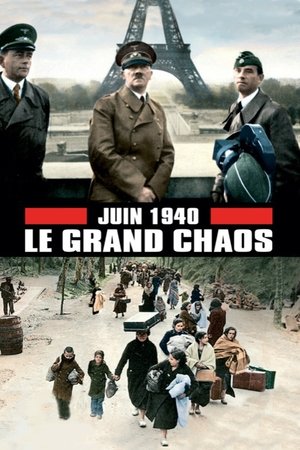
From May 10, 1940, France is living one of the worst tragedies of it history. In a few weeks, the country folds, and then collapsed in facing the attack of the Nazi Germany. On June 1940, each day is a tragedy. For the first time, thanks to historic revelations, and to numerous never seen before images and documents and reenacted situations of the time, this film recounts the incredible stories of those men and women trapped in the torment of this great chaos.
In 1900, the eyes of the whole world are on Paris. The World's Fair welcomed 50 million amazed visitors, and the city celebrated itself in a glamorous era. This period went down in history as the "Belle Époque." Elaborately restored and colorized historical photographs bring to life the exciting life in Paris between the end of the 19th century and the beginning of World War I in 1914. Bicycles, cars, airplanes, moving pictures, newly founded film studios, revolutionary composers and painters, avant-garde ballet performances, fashion houses, summer resorts on the Atlantic coast – life was intoxicating. People celebrate in the variety shows, cabarets, and revue theaters of Paris. Moulin Rouge, Folies Bergères, Bal Tabarin—in Paris, the nights are long and life is too short to sleep through. It is a dance on the volcano, given the political developments in the world.
De Gaulle, l'homme à abattre
Larry Flynt is the hedonistically obnoxious, but indomitable, publisher of Hustler magazine. The film recounts his struggle to make an honest living publishing his girlie magazine and how it changes into a battle to protect the freedom of speech for all people.
A Country young man wants to film a documentary about the historical remains of Phayao Province, but he faces obstacles because no one supports what he is doing.
Treasure hunter Ben "Finn" Finnegan has sunk his marriage to Tess and his trusty boat in his obsessive quest to find the legendary Queen's Dowry. When he finds a vital clue that may finally pinpoint the treasure's whereabouts, he drags Tess and her boss, billionaire Nigel Honeycutt, along on the hunt. But Finn is not the only one interested in the gold; his former mentor-turned-enemy Moe Fitch, hired by rapper-turned-gangster Bigg Bunny, will stop at nothing to beat him to it.
Benjamin Franklin Gates and Abigail Chase re-team with Riley Poole and, now armed with a stack of long-lost pages from John Wilkes Booth's diary, Ben must follow a clue left there to prove his ancestor's innocence in the assassination of Abraham Lincoln.
After his entire department is outsourced, an American novelty products salesman heads to India to train his replacement.
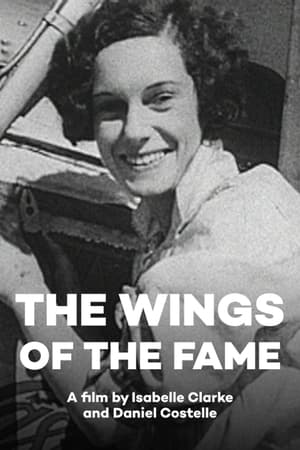
It is the epic of the heroes of the first century of aviation, since the flight of the first plane on December 17, 1903 until today. A striking collection of portraits of outstanding men and women like Louis Blériot, the first to cross the Channel, to Lindbergh who crossed the Atlantic and Amelia Earhart and many more...
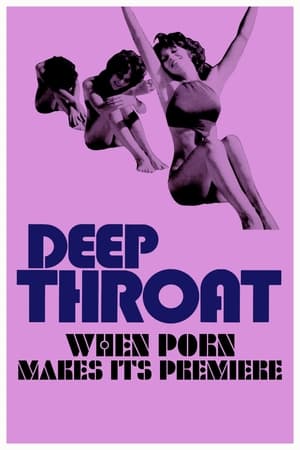
Deep Throat, a pornographic film directed by Gerard Damiano, a film-loving hairdresser, and starring Linda Lovelace, a shy girl manipulated by a controlling husband, was released in 1972 and divided audiences, who began to talk openly about sex, desire and female pleasure; but also about violence and abuse; and about pornography, until then an almost clandestine industry, as a revolutionary cultural phenomenon.
Hortense McKay teaches the lesson of caring even in the worst of times.
Vraies gueules d'assassins
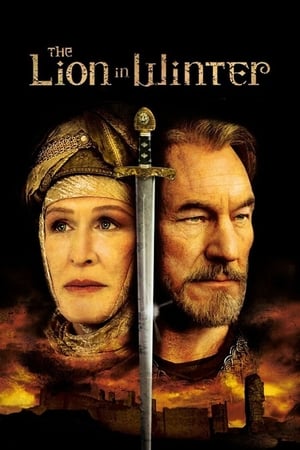
Christmas 1183, Angevin Empire: King Henry II plans to announce his successor to the throne. Jockeying for the crown, though, is complex. Henry has three sons and wants his boy Prince John to take over. Henry's wife, Queen Eleanor, believes their son Prince Richard should be king. As family and various schemers gather for the holiday, each tries to make the indecisive king choose their option.
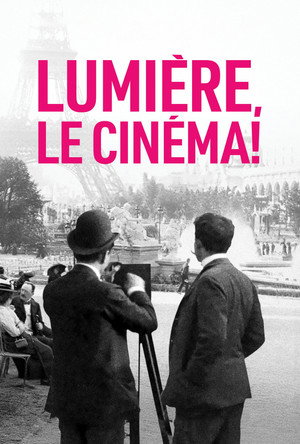
In one of those wonderful coincidences of history, lumière, the French word for “light,” was also the last name of brothers Auguste and Louis, whose brilliant invention, the cinematograph, helped to inaugurate the most beloved art form of the last 130 years. Institute Lumière director Thierry Frémaux uses Lumière, Le Cinema! to guide the viewer through over a hundred shorts—some famous, some forgotten, some never before seen—directed by Lumière and company. In the process, Frémaux illuminates how the brothers employed the camera as a creative instrument as they (and their operators) mastered framing, staging, and subject selection for quotidian and exotic microdocumentaries as well as the first ever fictional motion pictures. The result is not only a glorious re(telling) of the genesis of cinema but a profound meditation on the beautiful world captured—and the mysterious world imagined—by the Lumières.
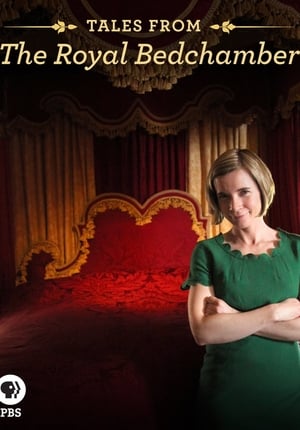
Lucy Worsley gets into bed with our past monarchs to uncover the Tales from the Royal Bedchamber. She reveals that our obsession with royal bedrooms, births and succession is nothing new. In fact, the rise and fall of their magnificent beds reflects the changing fortunes of the monarchy itself.
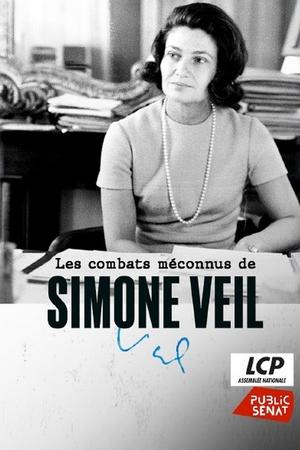
Women's work, gender equality, prison conditions, AIDS patients, humanization of hospitals, parental authority, equal pay... Simone Veil fought many battles that are little known today. As we prepare to celebrate the 50th anniversary of the law on abortion, enacted on January 17, 1975, the time has come to tell her story in a new way through this portrait of a woman ahead of her time: in the light of her other struggles.
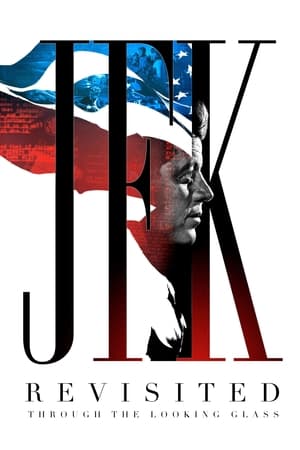
Thirty years after the release of his film JFK (1991), filmmaker Oliver Stone reviews recently declassified evidence related to the assassination of President John F. Kennedy, which took place in Dallas on November 22, 1963.