A unique documentary that interlaces archival interviews with author Philip K. Dick with chats featuring cast and crew. Discussed are the origins of the story, parallels the cast and crew sees to the goings-on in today's world, and adapting the story for film, modern audiences, and its unique look.
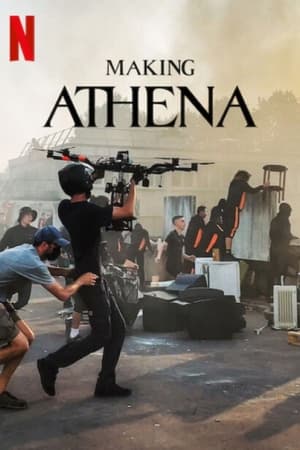
Behind the scenes documentary on the making of the film.
INFINITE 15TH ANNIVERSARY CONCERT 'LIMITED EDITION' THE MOVIE
Follows the behind-the-scenes work of Studio Ghibli, focusing on the notable figures Hayao Miyazaki, Isao Takahata, and Toshio Suzuki.
This short begins at Boulder Dam (now Hoover Dam). The electricity generated here by the Colorado River is sent to Hollywood, where movie studios need it to make movies. After a tour of the MGM studios' power plants, we see short advertisements for upcoming MGM releases.
A chronicle of the production problems — including bad weather, actors' health, war near the filming locations, and more — which plagued the filming of Apocalypse Now, increasing costs and nearly destroying the life and career of Francis Ford Coppola.
A documentary on the genesis, writing, shooting and analysis of the film "The Name of the Rose".
A short promotional film on the making of “The Wiz” (1978). Includes a brief history of Oz portrayals in film and behind the scenes interviews.
Shaft: Still the Man
An in-depth look into the creative and technical processes that brought us the heart-stopping visual effects of the film, with director Stephen Sommers and the crew at Industrial Light & Magic (ILM).
A behind-the-scenes documentary pieced together from over 100 hours of footage showing not just the preparation that went into Katy Perry's Super Bowl performance but the nerve it took to pull off such a massive, career-defining performance.
Blending behind-the-scenes footage with eerie undertones, the documentary captures the making of Off Kid with the same unsettling and sensory atmosphere as the short. A journey between the real and the uncanny.
An exhaustive, detailed documentary on the 30-day film shoot of "The Devil's Rejects"
Director Curtis Hanson and star Eminem talk about their ideas and views on the film 8 Mile (2002).
In 1928, as the talkies threw the film industry and film language into turmoil, Chaplin decided that his Tramp character would not be heard. City Lights would not be a talking picture, but it would have a soundtrack. Chaplin personally composed a musical score and sound effects for the picture. With Peter Lord, the famous co-creator of Chicken Run and Wallace & Gromit, we see how Chaplin became the king of slapstick comedy and the superstar of the movies.
An independent filmmaker takes on the challenge of creating a large scale WW1 film. When faced with harsh weather conditions and the constraints of limited resources, the director and crew must battle every day to get the film across the line.
2001: CREATING KUBRICK’S SPACE ODYSSEY chronicles the creation of one of the most influential films in the history of cinema. This new documentary examines the work of legendary director Stanley Kubrick and iconic novelist Arthur C. Clarke in creating what they called “the proverbial good science fiction movie.”
A behind-the-scenes look at the 1976 epic film Midway. Hosted by star Charlton Heston, the featurette explores the production's efforts to balance historical accuracy with dramatic, star-studded storytelling, featuring interviews with producer Walter Mirisch.
I'm a Porn Star follows the lives of guys in the neighborhood who are likely a lot more famous than you - at least on the Internet. There are an estimated 370 million pornographic websites on-line. Porn is now a thirteen BILLION dollar business. So who's doing all this moonlighting? Turns out -- probably some people you know.
The PlayStation Revolution is an independent documentary feature film that uncovers the incredible story behind the creation of the Sony PlayStation. It is an essential watch for anyone interested in video games and the history of the biggest entertainment industry on earth. The film investigates why Sony decided to enter the video games business, when it was already dominated by both Nintendo and Sega, who not only produced their own hardware but made and published fantastic games. To compete, Sony would not only have to design and build a new piece of hardware, but they would have to find a way to persuade the game development industry to take a chance and develop games for it long before it even came out!