In March 1973, the United Nations Security Council met in Panama City to debate the Panamanian claim for a new treaty that would end the colonial presence of the United States in its territory. The majority of the participating states of the Council recognize the justice of Panama's cause and give it their support, but the United States vetoes the resolution.
Based on a poem and archive images, the military aggression of the US army stationed in the Canal Zone against the Panamanian people who demand to raise their flag in the territory occupied since the beginning of the 20th century is reconstructed and denounced. The aggression that occurred between January 9 and 11, 1964 left a balance of 21 patriots.
Afro-Antillean workers hired for the construction of the Panama Canal are brought from their homes to work in conditions that were not those promised. They, the descendants of African slaves and domesticated from England, manage to raise their voices against American injustices.
An ironic portrayal of the days of the U.S. blockade of Panama, set during the dictatorship of Manuel Antonio Noriega, just months before the country was invaded by U.S. troops.
A New Yorker journeys to the jungle in the Darien Gap of Panama to reconnect with an indigenous tribe he met and photographed 20 years ago. Their reunion highlights the profound power of photos and the human connection that transcends cultural barriers.
In Portobelo, two friends go to a Congo dance and witness an invasion of demons, while Panama is invaded by Americans troops in 1989: this turns into an account of what happened in the cities of Colón and Panamá.
In 2000 in the jungles of Panama, a young journalist, named Ana, has a chance encounter with a tiny orphaned sloth, which she names Velcro. For nearly two years, the pair is inseparable until finally Ana travels up a remote river to reintroduce Velcro back to the wild. This is the story Ana’s return to Central and South America to see how much has changed since Velcro came into her life.
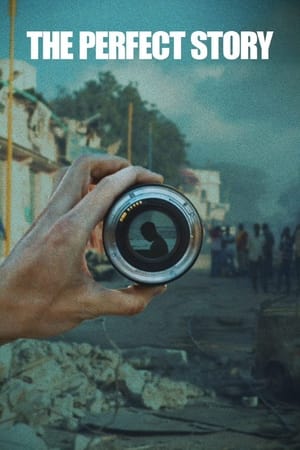
The Perfect Story offers a riveting, intimate look at the ethical and moral challenges sparked by the relationship between a foreign correspondent and a young Somali refugee. By revealing the boundaries of journalism and filmmaking, the film questions what stories are told, why, and who gets to tell them.
Documentary on the Panamanian struggle for the rescue of the lands of the so-called Canal Zone, militarily occupied by the forces of the American army.
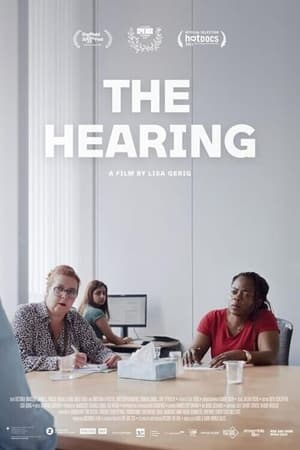
Documentary about asylum seekers in the Netherlands.
Music producer Professor Angel Dust and his wife Kene are arrested at Panama airport on their way back to Barcelona. Their daughter is taken into custody by the local social services. Angel's brother Mauricio is in shock. Forced to park his life in Spain, he flies to Panama to take custody of his niece, find a lawyer and seek protection for his brother in prison. After two months, he succeeds in bringing his niece back home, but has to fly back to Panama for the trial of his brother and sister-in-law... His journey will become a contemporary 'odyssey' full of overwhelming encounters with characters whose philosophy of life and daily routines illustrate some of the human paradoxes to their very limits.
Matar Dia, from Senegal, is now a mediation agent in an asylum center in Paris. He loves to draw, that’s why he painted the walls of the laundromat where he works. He tells us about his story and some of the residents’ as he shows us his art.
This winner of the 1993 Academy Award for Best Documentary Feature details the case that the 1989 invasion of Panama by the US was motivated not by the need to protect American soldiers, restore democracy or even capture Noriega. It was to force Panama to submit the will of the United States after Noriega had exhausted his usefulness.
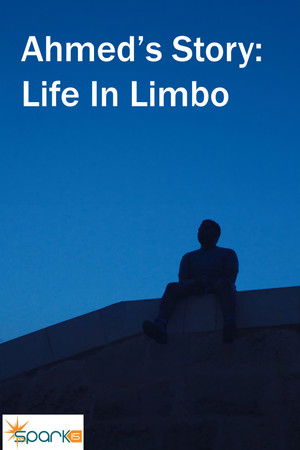
The story of Ahmed Albarjo, a man living in Malta struggling to secure Refugee Status. Made in collaboration with Spark 15 and RAAH.
INVASION is a documentary about the collective memory of a country. The invasion of Panama by the U.S in 1989 serves as an excuse to explore how a people remember, transform, and often forget their past in order to re-define their identity and become who they are today.
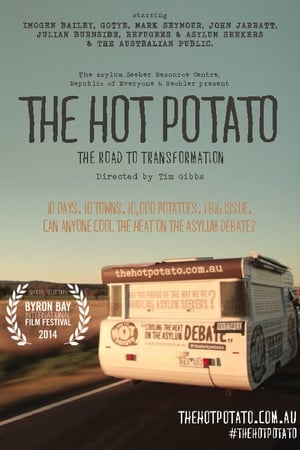
To cool the heat on the asylum debate - the biggest 'hot potato' in Australian politics, we took a hot potato food van around the country in the lead up to the 2013 Federal Election. The mission? To see what Australia really thinks asylum seekers. This is an account of this journey.
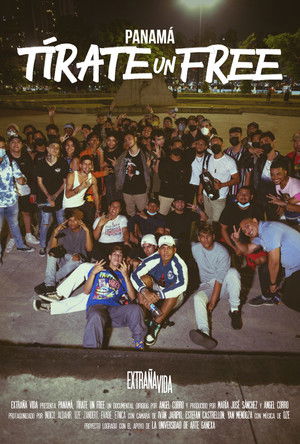
A small community of lovers of freestyle rap begins to grow in the parks and squares of Panama. From rapping on buses to on stage, the love of Hip-Hop abounds in their hearts.
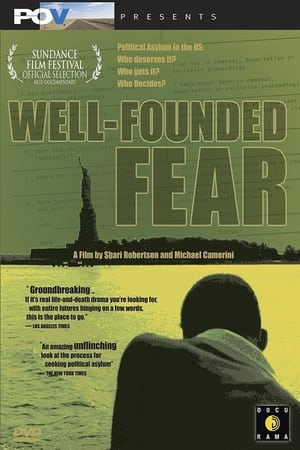
Examines how the Immigration and Naturalization Service decides who will be granted asylum in the United States. The applicant must have a "well-founded fear" of persecution in his or her home country. Despite true and terrifying stories of torture and mistreatment, it's often up to how well the translator presents the case and how sensitive are the ears of the asylum officer to decide a person's fate.
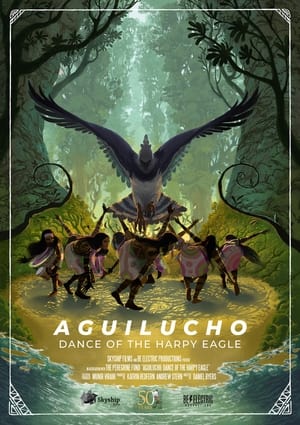
The indigenous people of the Darién Gap rainforest work with conservationists to use their heritage and traditions to protect the endangered Harpy Eagle and, in turn, protect their community.
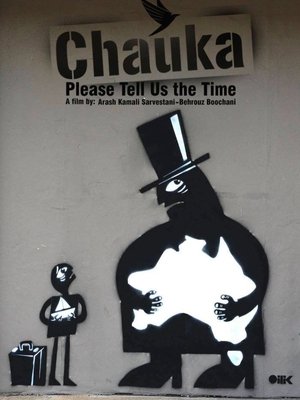
An urgent and powerful documentary, shot in a detention centre where asylum seekers trying to reach Australian shores are indefinitely detained. Secretly shot on a mobile phone by Iranian journalist Behrouz Boochani while detained on Manus, in Papua New Guinea, the film is a collaboration with Dutch-Iranian filmmaker Arash Kamali Sarvestani. Boochani recounts, via the testimonies of fellow inmates, the abuse and violence inflicted and the precarious state of limbo they find themselves in. Chauka, the name of the dreaded solitary confinement unit within the detention centre, was originally the name of a beautiful bird and symbol of the Manus Island. By interweaving dialogue with two Manusian men and shots of daily life on the island, the film gives a much-needed voice to Manus inhabitants, understandably distressed by the current situation. With marked restraint, the film exposes lives broken by shocking immigration policies.