A catholic French couple sees their life upside down when their four daughters get married to men of different religion and origins.
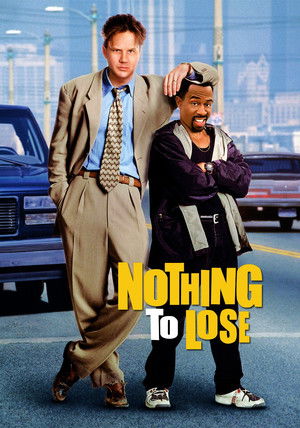
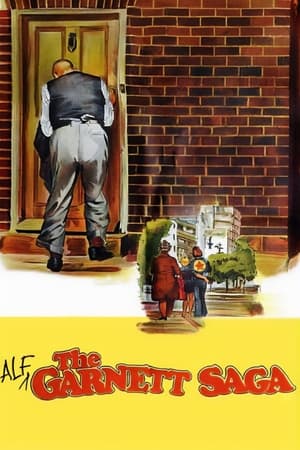
Lucas Thompson is sentenced to community service, entailing him to deliver food parcels to the elderly where he finds himself on the doorstep of dementia sufferer; Arthur Miller.
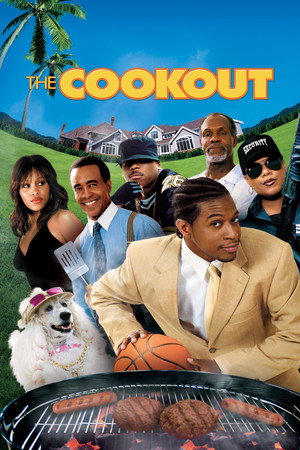
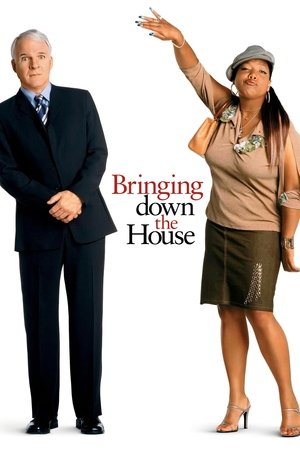
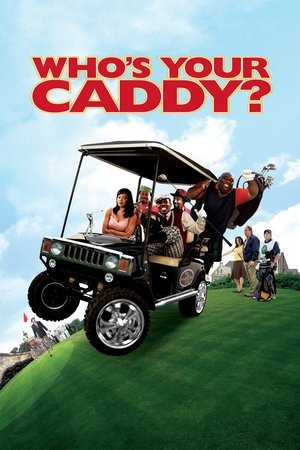
Uptight lawyer Peter Sanderson wants to dive back into dating after his divorce and has a hard time meeting the right women. He tries online dating and lucks out when he starts chatting with a fellow lawyer. The two agree to meet in the flesh, but the woman he meets — an escaped African-American convict named Charlene — is not what he expected. Peter is freaked out, but Charlene tries to convince him to take her case and prove her innocence. Along the way, she wreaks havoc on his middle-class life as he gets a lesson in learning to lighten up.
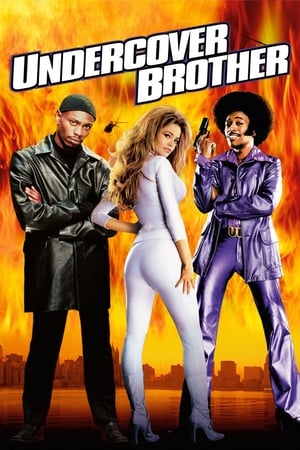
When Ashtray moves to South Central L.A. to live with his father (who appears to be the same age he is) and grandmother (who likes to talk tough and smoke reefer), he falls in with his gang-banging cousin Loc Dog, who along with the requisite pistols and Uzi carries a thermo-nuclear warhead for self-defense. Will Ashtray be able to keep living the straight life?
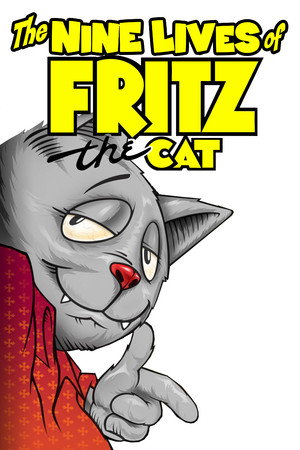
The residents of Springfield search for Christmas cheer.
The story begins in the basement of a worn-out blues bar in Louisiana in the 1980s. A few regular customers are having a drink. A guitarist gets on stage and everybody comments on the newcomer. The guitarist draws the attention of the audience by tapping the microphone. He introduces himself. He will tell them the true story of Blind Boogie Jones.
The Leader Will Come
The story kicks off on Hartcliffe council estate in Bristol during the early 1980s. It follows Steven Knight, a working-class boy who has his motorbike stolen the day he buys it. Teaming up with his scoundrel friends he desperately tries to track it down before it's gone for good.
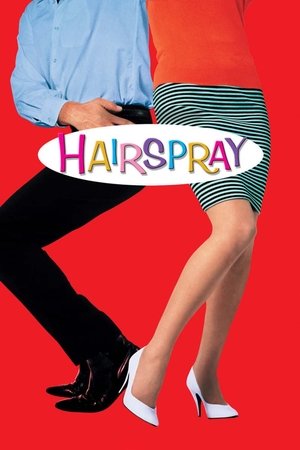
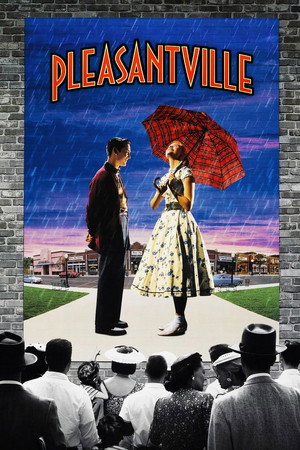
'Pleasantly plump' teenager Tracy Turnblad achieves her dream of becoming a regular on the Corny Collins Dance Show. Now a teen hero, she starts using her fame to speak out for the causes she believes in, most of all integration. In doing so, she earns the wrath of the show's former star, Amber Von Tussle, as well as Amber's manipulative, pro-segregation parents. The rivalry comes to a head as Amber and Tracy vie for the title of Miss Auto Show 1963.
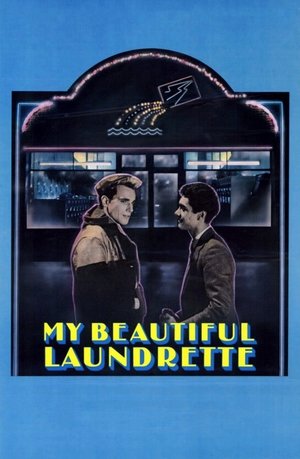
A young Pakistani Briton manages a rundown laundrette with his lover while dealing with tension in his family, the local Pakistani community, and a persistent mob of skinheads.
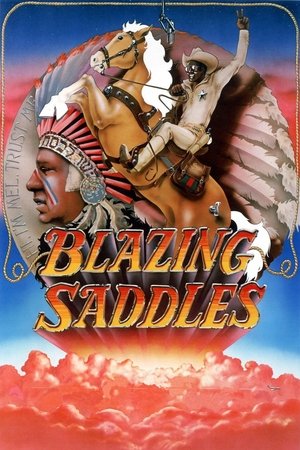
Crafty railroad worker Bart becomes the first Black sheriff of Rock Ridge, a frontier town about to be destroyed in order to make way for a new railroad. Initially, the citizens of Rock Ridge harbor a racial bias toward their new protector. However, they warm to him after realizing that Bart and his perpetually drunk gunfighter friend Jim are their only defense against a wave of thugs sent to rid the town of its population.
A man leaves his quiet life in the country to become a comic entertainer in the Big City. His journey is a Surreal celebration of the descent into a Hell of narcissistic self-destruction. In a string of events ranging from antisocial transgression to racist provocation to fantastic flights of absurdity, our protagonist loses grasp of his humanity and bit by bit slips into complete animal degradation. A comedy.
A "modern" Turkish family expects an exchange student from France who will accompany her 10-year-old daughter for the summer. Their shy daughter will not only practice French, but also have a friend finally. When this "expected visitor" came Nergiz is frustrated that the boy's name is Hafid and she does not find him "French" enough.
Colorado Springs, late 1970s. Ron Stallworth, an African American police officer, and Flip Zimmerman, his Jewish colleague, run an undercover operation to infiltrate the Ku Klux Klan.
Chris Grace wrestles with the ideas of casting & diversity in Hollywood in this meta comedy special.
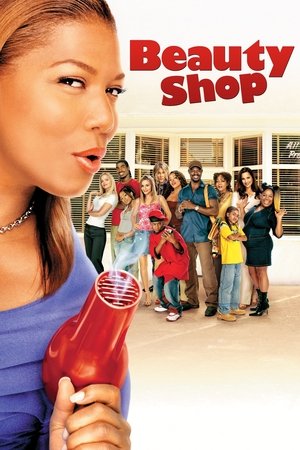
Far from Chicago, hairdresser Gina Norris has relocated to Atlanta with her daughter and has quickly established herself as a rare talent in her profession. But after repeatedly butting heads with her shady, over-the-top boss, Jorge, Norris sets out to create her own salon -- even snagging a few of Jorge's employees and clients. Now, Jorge will do anything to shut her down.
Nice Dreams - it rhymes with ice creams. And that's what Cheech and Chong are selling in this thoroughly wacky comedy. The outrageous, permanently spaced-out duo sells enough of their "specially mixed" ice cream to take the cash and realize their fondest dreams: new guitars, islands in the sun and beautiful women. But, of course, not everything goes as planned. While celebrating their wealth in a new wave Chinese restaurant, Cheech meets his long-lost love Donna, and promptly escorts her to her posh penthouse. He soon learns, however, that Donna's boyfriend, an ex-con named Animal, is on his way to her boudoir. Meanwhile, Chong has unwittingly exchanged all their money for a worthless bank check - and the only way to get it back is to escape into a nearby insane asylum.
Imagine what it would be like if black settlers arrived to settle a continent inhabited by white natives? In 1788, the first white settlers arrived in Botany Bay to begin the process of white colonisation of Australia. But in Babakiueria, the roles are reversed in a delightful and light-hearted look at colonisation of a different kind. This satirical examination of black-white relations in Australia first screened on ABC TV in 1986 to widespread acclaim with both critics and audiences alike. This is the story of the fictitious land of Babakiueria, where white people are the minority and must obey black laws. Aboriginal actors Michelle Torres and Bob Maza (Heartland) and supported by a number of familiar faces from the time, including Cecily Polson (E-Street) and Tony Barry, who starred in major ABC-TV hits such as I Can Jump Puddles and his Penguin award-winning Scales of Justice. Babakiueria was awarded the United Nations Media Peace Prize in 1987.
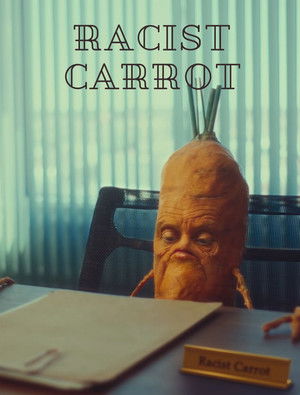
The chair of a meeting congratulates everyone on a great job, apart from the Racist Carrot.
Sebz traces an intimate and heartbreaking journey through her past and present, exploring the nuances of her identity as a non-binary, black, asexual trans person. Through an introspective narrative, Sebz reflects on the abuse she suffered as a child and the revelation that these experiences were not unique, but also familial. In a space where memory and reality intertwine, Sebz confronts her relationship with her mother, a complex connection torn between rejection and a search for understanding, accentuated by tensions of gender, sexuality and shared trauma. This short queer documentary is an honest and courageous portrait of wounds, family ties and the resilience that defines those who seek to exist beyond social impositions.