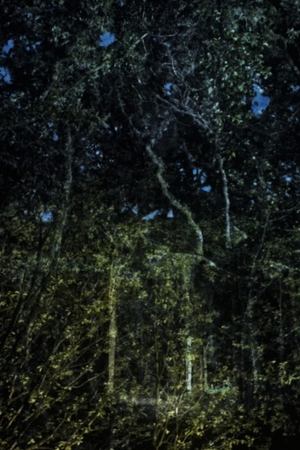
A subtle and atmospheric designed-nature film, following a beetle traversing through its newly found home, intertwined with and supplemental to the free electro-acoustic jazz album of the same name, by Cristiano Calcagnile. Complex and accessible from and in many directions, it in-cludes its elements and their displacement along the elusive boundaries of a penetrating dance, that you soon give up wanting to define, and entrusts its appeal to complexity and countless perspectives.
A stop motion/collaged based independent short film plays with the recontextualisation of memories and how time distorts them.
When forest animals invade our cities, the world is in disarray. Office vixen Fiona struggles with her banana phone addiction. Will she succumb to it? Temperamental bunny Barbara only gives her stag sugar daddy Nestor his special massage, after he dines her and plays the big spender. This obscure short film pinpoints postmodern tropes of consumerism, eroticism, and art with an homage to the theater stage and references to literature. This work uses a fantasy language and needs no subtitles.
After concluding the now-legendary public access TV series, The Pain Factory, Michael Nine embarked on a new and more subversive public access endeavor: a collaboration with Scott Arford called Fuck TV. Whereas The Pain Factory predominantly revolved around experimental music performances, Fuck TV was a comprehensive and experiential audio-visual presentation. Aired to a passive and unsuspecting audience on San Francisco’s public access channel from 1997 to 1998, each episode of Fuck TV was dedicated to a specific topic, combining video collage and cut-up techniques set to a harsh electronic soundtrack. The resultant overload of processed imagery and visceral sound was unlike anything presented on television before or since. EPISODES: Yule Bible, Cults, Riots, Animals, Executions, Static, Media, Haterella (edited version), Self Annihilation Live, Electricity.
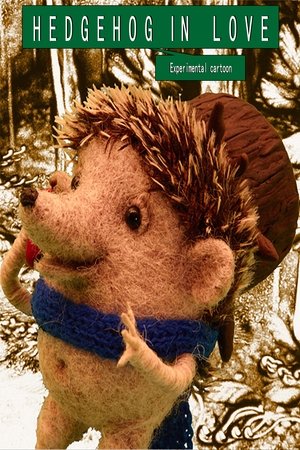
Experimental cartoon which unites various techniques: puppets, sand & water (ebru) animations. About friendship, love and necessity to pay attention not only to the visual appeal.
Reynivellir is a representation of the transit that is generated when approaching the art work, described with visual games that can well be evoked by the same brain when witnessing the impossible figures of Jose María Yturralde. Reynivellir is also a beach in a country that is a musical sonnet, and this is so because the mental image does not always connect the articulated parts of a sensation, it is systematic, but aleatory, and it is from these notions of the field of observation, that it approaches and moves away from understanding, linking and unlinking forms, movements, sounds, sensations and knowledge.
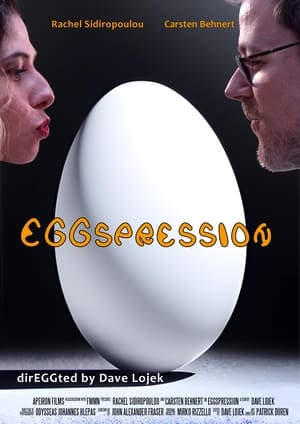
Egglantine loves salt on her eggs. Eggbert prefers pepper. Who blinks first in this playful Easter ritual?
This short film, built around a randomly chosen name and composed of scenes shot within a single room over the course of three hours, features an introspective monologue that was shaped and adapted during the editing process. The narrative aligns closely with the emotional tone and visual rhythm of the piece, particularly in harmony with the non-original music selection, Maggot Brain by Funkadelic.
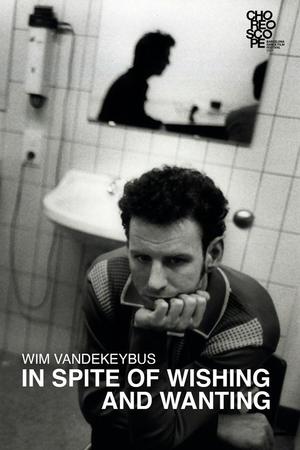
A dynamic, contemporary dance performance about how it is impossible to explain your deepest wishes or desires... how these can only be expressed in dreams and sleep. In the final sequence, we see the importance of effort and hope in the dancers' attempt to escape gravity. The all-male company performs to the music of David Byrne.
PSICOTRÓPICA
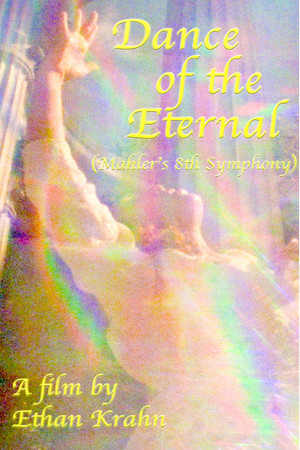
A young girl is born into an enchanting yet complex world where she must make the crucial decision to follow the path of an angel or a demon, two forces mercilessly competing for her attention, set to the music of Mahler's Eighth Symphony.
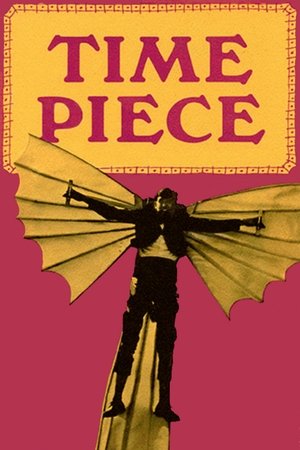
Dislocation in time, time signatures, time as a philosophical concept, and slavery to time are some of the themes touched upon in this 9-minute experimental film, which was written, directed, and produced by Jim Henson. Screened for the first time at the Museum of Modern Art in May of 1965, "Time Piece" enjoyed an eighteen-month run at one Manhattan movie theater and was nominated for an Academy Award for Outstanding Short Subject.
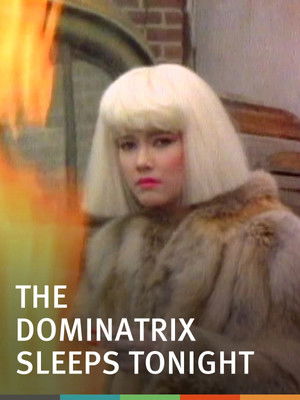
A gang of leather-clad, powerful women take over a traditionally male domain, and hairspray, eyeliner, and bare flesh are on full display in Beth B’s music video for the Arthur Baker–produced club hit from synthpop band Dominatrix. Banned at the time of release, it was acquired by The Museum of Modern Art.
During a 6-hour performance and in a additional Film, REA and Yannick Mosimann dedicate themselves to the stretching of time and space based on observations of different trees. The tree, the mammoth of floral time, seems to be a gnarled, proud and place-bound existence, nevertheless in low-frequency, flowing movement. Breathing is here a symbol of time and rhythm, carrier of tonal frequencies of our vocal cords.
The „Haelgung“ films are charmingly impressionistic diary entries, crafted as mini homages to my closest friends, captured with a delightful lack of planning or structure and edited in camera.
Hand-edited Lomokino 35mm footage captures scenes from an island, blending shifting textures with guitars and watery drones. A visual and sonic meditation on place and transience.
Türkiye’s modernization adventure is an intermittent one that carries the pains of transition from empire to republic and of geographical liminality in every aspect of culture. At the center of this arduous modernist attitude in art is İlhan Usmanbaş, who was born in 1921 in the Ottoman Empire, whose atonal music of the 1950s influenced not only the field of music but also literature. As an essay film, Modernist: Usmanbaş both traces the composer's insistence on playing 20th century music in his compositions and visual notation and follows him in the private nursing home where he lived from the age of 100 to 103. While the film records Usmanbaş's curiosity in natural history and the intellectual structure he built between music, science and mathematics with the testimonies of the last years of his life, it also makes references to modernist art in formal terms as a meta attitude.
Through dance and movement improvisation, "Non lasciarmi" explores the metaphorical reaction of humanity when it realizes that its love story with Nature has irrevocably come to an end.
William K.L. Dickson plays the violin while two men dance. This is the oldest surviving sound film where sound is recorded on the phonograph.
Perfector: Every Day Is The Same