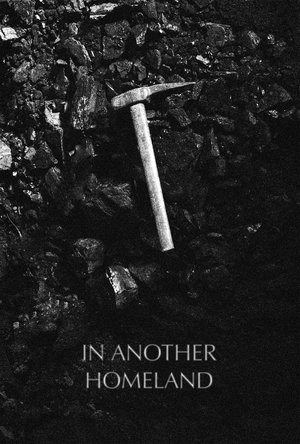
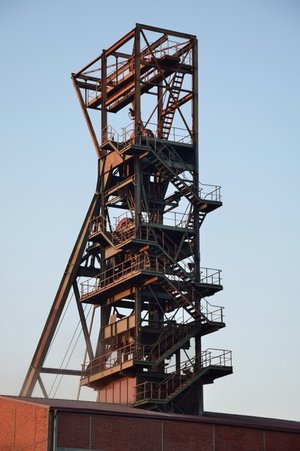
In 1984, eleven miners entrenched themselves underground to protest for better working conditions in the mining village of Almaden in southern Spain. The strike, deep within the toxic mercury mine, lasted for eleven long days, during which the whole village showed its solidarity with the men protesting underground. The mine was the heart of Almaden, around which everything revolved – until it longer existed. The mercury mine was closed for good at the beginning of the 21st century. As a consequence, the area has experienced mass unemployment and slow decline.
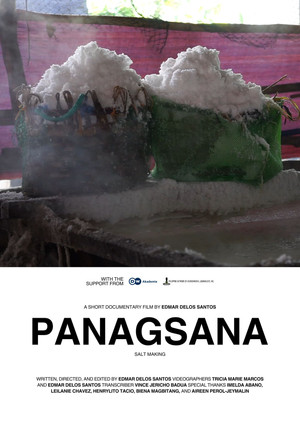
Melba, a traditional salt maker from Pasuquin, Ilocos Norte, Philippines, struggles to sustain their heirloom craft due to the effects of climate change. The salt-making process, which relies heavily on dry weather, is threatened by increasingly unpredictable weather patterns in the Philippines, putting their tradition at risk.
Pass the Salt
When Alice Lincoln, a woman at the turn of the century living deep in the Marshall Woods, a place long-plagued by legends of a menacing witch, is left alone at her remote cabin to keep vigil over the body of an unidentified mine worker, unsettling disturbances in the dark lead Alice to fear the corpse may not be fully at rest. The appearance of a silent woman at the edge of the forest road traps Alice in a waking nightmare between the growing evil within and the nameless terror waiting beyond her door.
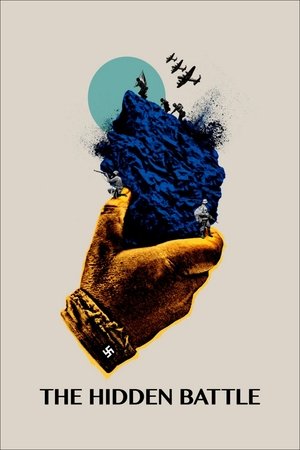
During the Second World War, the Allies threaten to attack Spain, an allegedly neutral country, if the Francoist regime keeps allowing Nazi Germany to extract Galician tungsten, a strategic mineral, paramount to the war effort.
During the global economic crisis, "Morgenrot" mine is due to be closed due to unprofitable results. With the use of a machine forbidden for security reasons, the mates try to work more effectively and thus save their jobs. A serious accident happens.
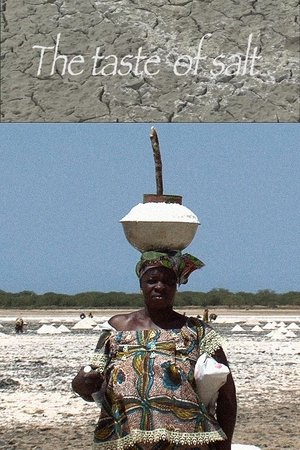
At Ngay Ngay, a village in northern Senegal, there are real natural evaporative basins in which depending on the year large or small quantities of sea salt dry out. Located 15 kilometres from Saint-Louis, the village is living around a complex community organisation: men divide the salt fields into plots, and women are those who harvest. In the end, the men receive a share of the crop, while women are those who took great pains over the harvesting.
Egglantine loves salt on her eggs. Eggbert prefers pepper. Who blinks first in this playful Easter ritual?
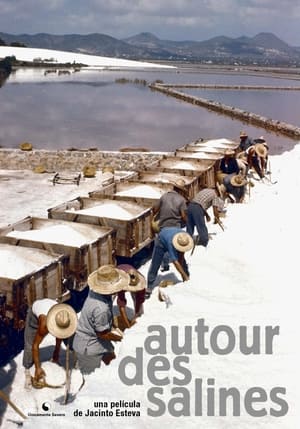
Life in a rural area in Spain where the sole source of income is the physically gruelling labour of salt mining.
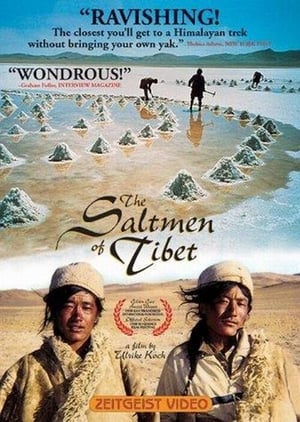
Four men from a nomadic Tibetan tribe undertake their annual, ritualistic pilgrimage to a sacred salt lake. Salt gathered in this traditional fashion will be sold to provide the economic livelihood of the tribe for the coming year. The journey, necessary for the group's survival, also incorporates a number of rituals necessary for their culture to survive in the modern world.
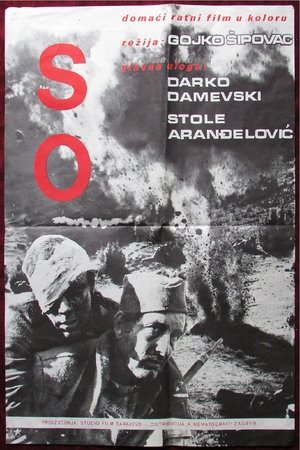
Due to fighting against the Germans and the Ustashas, the partisans in central Bosnia decide to strike the salt pans, and take the much needed salt for the people and army. After serious attacks and heavy losses, they complete their mission successfully.
"River of Hope" tells the story of how a former slave Mary Barnes Cabell and her children helped found the first college for African Americans in West Virginia. Based on true events.
A Vietnamese immigrant mother and daughter in the US argue over how to honor the late patriarch as they shop for his second death anniversary, and inadvertently involve a handsome stranger at the local Asian supermarket.
Maxime is a young Valdorian who works in a gold mine. As he experiences several difficulties as he goes through life, he will question his definition of masculinity. It's with the help of the tightly knit brotherhood of colleagues in the mine that he will find the necessary support to overcome a feeling of stubborn guilt which prevents him from achieving happiness. Until the day an explosion breaks out underground. As part of the rescue mission, Maxime descends into the mine lair with the firm intention of bringing each of his colleagues back to the surface alive.
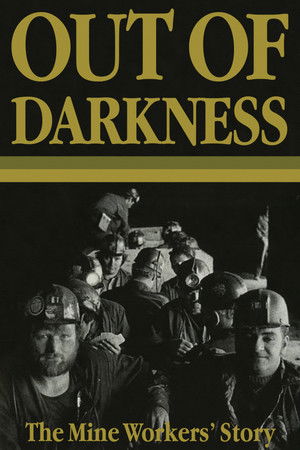
OUT OF DARKNESS: THE MINE WORKERS' STORY is a documentary by Academy Award-winning director Barbara Kopple (HARLAN COUNTY, USA). Historical film footage and photographs are integrated with first-hand accounts of UMWA history and of the Pittston strike of 1989-90.
Explores the historical and contemporary significance of salt, detailing its extraction from the earth and oceans, its role in food preservation, livestock nutrition, and its various industrial uses. The film highlights how salt has shaped human civilization, from ancient trade routes to modern applications in healthcare and chemical production. It emphasizes salt's essential role in our daily lives, underscoring its necessity for health and well-being.
Love story between a fisherman of the Adriatic coast and a young girl of the village.
Deep underground, a coal miner and his young assistant make a discovery that slowly unravels the course of their bond. What was buried begins to surface and nothing will ever be the same.
Two elderly women bear the consequences of a crime involving their respective grandsons. One is the victim, the other is the suspect. Both weak and poor, they laboriously solicit money in the midst of a storm, one for the victim's burial, the other for the suspect's bail bond.
In 1990, when Bischofferode entered the market economy, potash production in East Germany was in third place in the world's export ranking and in West Germany in fourth place. Bischofferöder Kalisalz is of a special quality and the plant therefore had loyal customers in Western Europe, especially in Scandinavia, even before the fall of the Wall. In the West, there is a major competitor - BASF subsidiary Kali und Salz AG from Kassel. The film reconstructs the mega-deal in one of the world's most important raw materials markets. The so-called potash merger was the biggest economic deal of German reunification, which has cost the taxpayer almost two billion euros to date. The Free State of Thuringia - the federal state with the best potash deposits in Germany - is still the big loser of the mega-deal today. Thuringia may be rich, but it loses almost all its potash mines, along with Bischofferode, and now has to spend millions of euros each year to rehabilitate and secure its mines.