A film by Louis Aimé Augustin Le Prince, shot in late October 1888, showing pedestrians and carriages crossing Leeds Bridge.
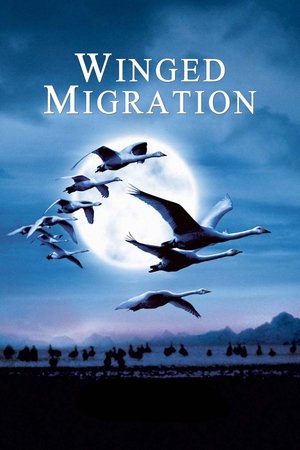
This documentary follows various migratory bird species on their long journeys from their summer homes to the equator and back, covering thousands of miles and navigating by the stars. These arduous treks are crucial for survival, seeking hospitable climates and food sources. Birds face numerous challenges, including crossing oceans and evading predators, illness, and injury. Although migrations are undertaken as a community, birds disperse into family units once they reach their destinations, and every continent is affected by these migrations, hosting migratory bird species at least part of the year.
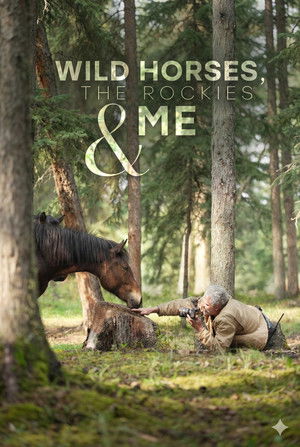
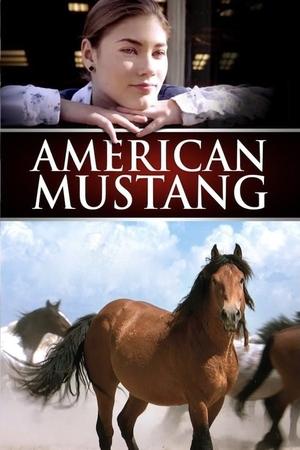
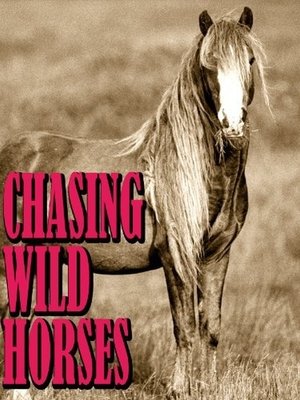
Fueled by stunning footage, this stirring documentary considers wild horses' role in the American psyche and their dwindling numbers in today's West. In an artful blend of exquisite nature documentary and character-driven narrative, the majestic wild horses of the American West are revealed in stereoscopic 3D as never before. The wonder in a girl’s eye pulls us into the drama that unfolds on hundreds of millions of acres of public land. The battle lines have long been carved into the landscape, and the players are deeply entrenched. Yet as the subtle choreography that has evolved over thousands of years begins, we are captivated. The intricate dance between a man and a wild horse presents lessons for us all, even the battle-hardened special interest groups fighting for the place of the AMERICAN MUSTANG.
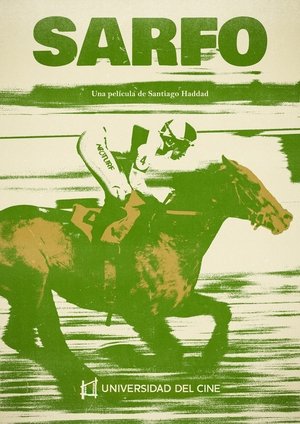
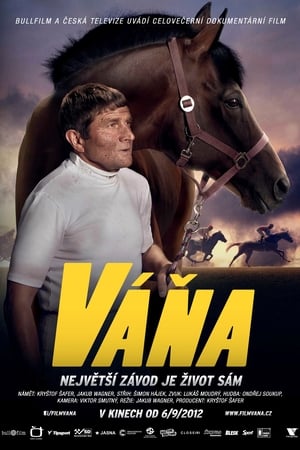
A documentary portrait of a legendary Czech jockey, Josef Vána, reveals his inner world of thoughts. His unique way of life can't be described in words, and this is a first, really original view into his daily life around horses, terrifying accidents, and also stories about his family.
The larger than life true story of how a barmaid in a poor Welsh mining village convinces some of her fellow residents to pool their resources to compete in the "sport of kings" with a racehorse they would breed and raise.
Journey across Morocco, Spain, Mexico, Argentina, Patagonia, Texas and British Columbia, to meet vaqueros, gauchos, baqueanos and cowboys - all part of a single global horse culture, an unbroken trail stretching back 1,500 years.
While the earliest works of art of mankind depicted horses, the early history of the two species remains largely unknown. From the last nomadic peoples of the Altai Mountains to the Bedouins of the Arabian Peninsula and the Blackfoot Indians, Canadian anthropologist and filmmaker Niobe Thompson traveled the world for two years. He went to meet these communities who live in osmosis with their horses, and tried to understand the history and the nature of the very special bond between man and animal. At the same time, the work of German evolutionary biologist Martin Fischer allows, thanks to a 3D animation, to bring back to life the ancestor of the horse, whose appearance is surprisingly reminiscent of a small fox.
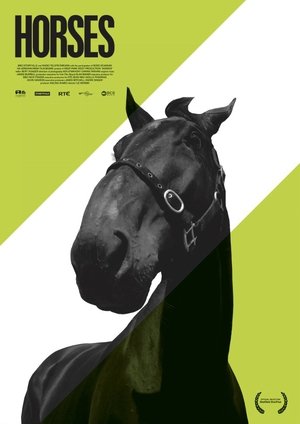
A musical, and also a reflection on watching, on trying to escape an anthropocentric gaze and also on watching itself in cinema. Featuring mares and horses: Triana, Víctor K, Bambi Sailor, San Special Solano, Buck Red Skin, Onkaia, Cool Boy, the donkey Agostino, the mule Guapa. And also Alfredo Lagos, Raül Refree, María Marín, Pepe Habichuela, Virgina García del Pino, María García Ruiz, Pilar Monsell, María Pérez Sanz.
H&C's cameras follow Dean Dibsdall, who combines his two careers of farriery and being a part-time model and TV star. Find out how Dean became a farrier, and what his daily life entails.
This short follows the life of a harness racehorse named "Spunky" from foal, through training, to the finish of his first race at Yonkers Raceway.
A documentary about girls and horses, care and competition, the unique world of youth and growing into adulthood.
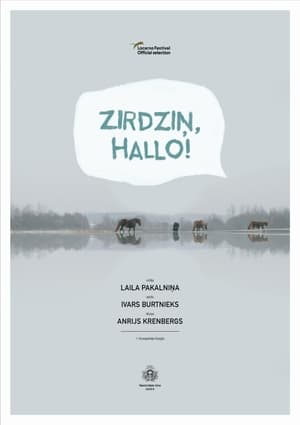
A film about everything changing while remaining the same. Or rather – everything remaining the same while changing. We observed this (and wanted to share) while standing (standing regularly and for a long time) on a road rather close to the Eastern border of Latvia, because we followed the suggestion of the locals who asked to shoot “that horrible road”.
Celebrate the 150th anniversary of the short-lived but far-reaching American Institution The Pony Express by following a historical re-enactment along the original trail from Sacramento California to Saint Joseph Missouri.
This Sports Parade series entry follows the life of Dixie Dan, a harness racehorse, from birth through age three.
One of the pictures to be seen in the machine, for example, was that of a blacksmith shop in which two men were working, one shoeing a horse, the other heating iron at the forge. One would be seen to drive the nail into the shoe of the horse's hoof, to change his position and every movement needed in the work was clearly shown as if the object was in real (life). In fact, the whole routine of the two men's labor and their movements for the day was presented to the view of the observer.
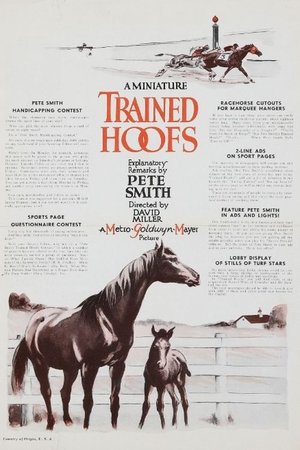
This Pete Smith Specialty showcases the Cristiani Family, a circus act. They mount and dismount moving horses and perform acrobatic feats while riding them.
This equine odyssey travels such little-known turf as General George Patton's involvement in a daredevil World War II coup called "Operation Cowboy" that rescued 500 of Austria's famous white Lipizzans. It is a stunning behind-the-scenes production on the Spanish Riding School of Vienna, spiced with legends even linked to the prophet Mohammed.
In a contemporary reimagining of the American West, three young women - a snake hunter, a New York artist, and a rodeo queen - challenge the idea of who is permitted to be a cowgirl.
Documentary about four friends on a 3,000 mile journey across the American West on horseback.
Argentina currently exports 60% of all horse meat consumed globally. However, the consumption of horse meat is prohibited in Argentina itself and no horses are bred for this purpose in the country. So, with 200,000 horses being slaughtered each year for export to the European Union, where exactly is this meat coming from? “Cinco Corazones” reveals the grim reality behind the lives of Argentinian horses. These animals suffer many forms of abuse from the moment they are born, only to end their lives being slaughtered for export to the main consuming countries in Europe. The film exposes cultural and sporting practices, political collusion and shady business dealings, which severely harm the health of these animals and constitute animal welfare violations.