For several decades, geoscientists have been observing that the Earth is changing rapidly due to human intervention. This action has such a great impact on the biological, geological and atmospheric processes of the Earth that some scientists speak of the dawn of a new epoch: the Age of Man or the Anthropocene.
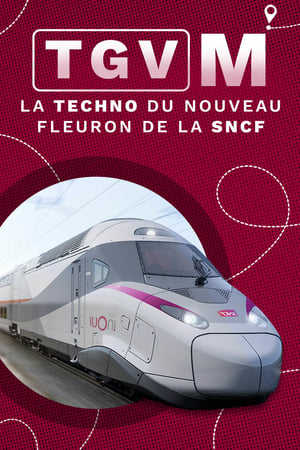
TGV M : La Techno du nouveau fleuron de la SNCF
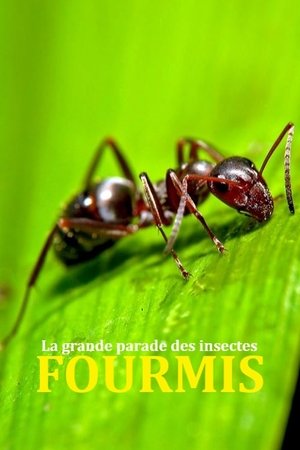
„The Fabulous Insects – Ants“ shows the diversity, beauty and exciting strategies of ants in their respective habitats. Whether in the tropics of South America or in the native climes of Europe - the world of ants is full of surprises. The biomass of ants and humans in the world is about the same. Next to us, ants are probably the most adaptable creatures on the planet. Whether rainforest, savannah, forests or moors - ants populate every terrestrial habitat. You can observe particularly exciting natural history not only in the distant tropics, but also in densly populated Central Europe.
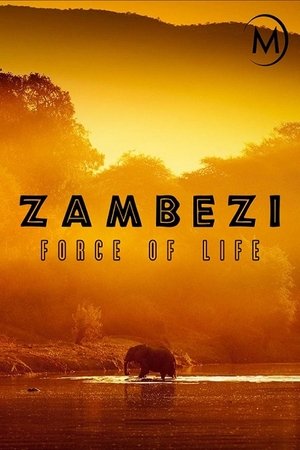
The Zambezi river is the fourth-longest river in Africa, flowing from the heart of Zambia all the way to the Indian Ocean. Along the way, we discover the breathtaking wildlife that call the river home, including hippos and crocodiles. As we follow the course of this infamous river, even more diverse wildlife is revealed along its shores. With danger at every turn, this is Zambezi!
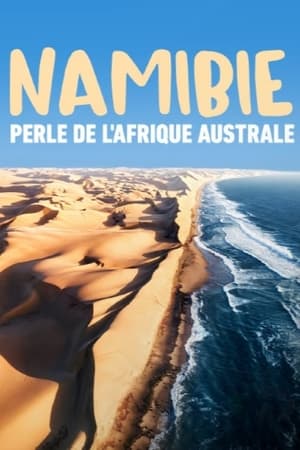
Namibie, perle de l'Afrique australe
Do we need animals to fill the void that should really be filled by people? To what extent do we project our own deprivation and longing on these sweet pets? All the protagonists in this documentary are indirectly afraid of being rejected and find safety and unconditional love in their animal(s). We observe these relationships and follow them in their steps to overcome their anxieties and insecurities and step into the world of humans more.
A vast, snow-covered forest, untouched by human presence. Two men cross it, bags on their backs, cross a frozen river and finally arrive at the peatland, a vast white expanse. For years, Yves the painter and Olivier the photographer, have traveled the world, meeting wildlife from one pole to the other, privileged and concerned witnesses to the fragile beauty of the planet. But the two men share a common dream: to see a wolf pack live, grow, and spread out. One day, their search leads them to a hideout in no-man's-land between Iceland and Russia, a place conducive to a different temporality. The wait begins. Over the seasons, they will stand there in these eight square meters of wood, silent amid an unchanging scenery, until they gradually become part of the “picture” and immerse themselves in the life of the wolves. A motionless adventure...
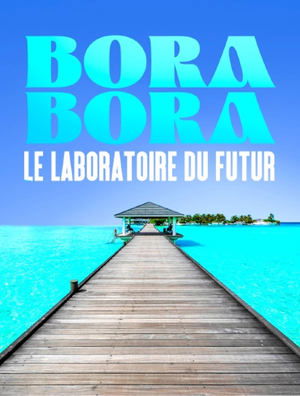
Bora Bora is the most popular destination in French Polynesia, certainly because of its lagoon, considered the most beautiful lagoon in the world. In this context, the islet could have sunk under concrete and pollution, and the reef could have been irreparably impacted. However, thanks to the will of a handful of inhabitants including the mayor of the island, Bora Bora is today a model of sustainable development, with water treatment technologies that are 15 years ahead of France, programs to rebuild corals and protect wildlife, educational actions and the rehabilitation of Polynesian traditions such as “rahui” and the establishment of a monitoring network using new technologies. All of this makes the island a veritable open-air laboratory that shows the way for all tropical coastal environments around the world.
Partly adapted from cosmologist Stephen Hawking's popular book about his theories of the universe, this in-depth documentary also presents Hawking's daily life as he deals with the ALS that renders him virtually immobile and unable to speak without the use of a computer. Hawking's friends, family, former classmates and peers are interviewed about not only his theories but the man himself.
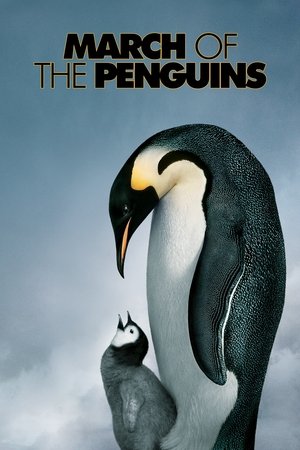
Every year, thousands of Antarctica's emperor penguins make an astonishing journey to breed their young. They walk, marching day and night in single file 70 miles into the darkest, driest and coldest continent on Earth. This amazing, true-life tale is touched with humour and alive with thrills. Breathtaking photography captures the transcendent beauty and staggering drama of devoted parent penguins who, in the fierce polar winter, take turns guarding their egg and trekking to the ocean in search of food. Predators hunt them, storms lash them. But the safety of their adorable chicks makes it all worthwhile. So follow the leader... to adventure!!
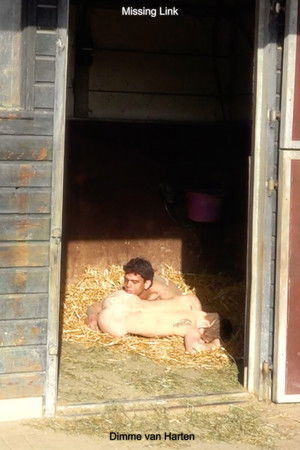
"Encouraged by a special encounter between myself and an animal, my research into the “humanimal” began. This is a performative exploration reflecting on the place of animals and humans in their changing relationships throughout time. The research spans from topics like the cohabitation of different human species, the prehuman, the posthuman, to domestication and the numerous animal watching webcams found in zoos and online. Missing Link reflects on the intimacy between the species and how it can be expressed through movement here and now. "
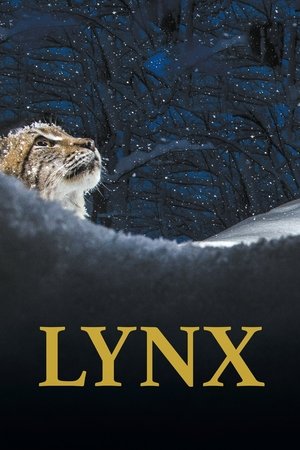
In the heart of the Jura mountains, a call resounds through the forest. The silhouette of a Eurasian lynx creeps through the trees. A male is looking for its mate. Suddenly a call answers back. It is the beginning of the story of a lynx’s family we will follow over the seasons. While it is rare to come across this private feline, it is exceptional to discover its daily life in the wild.
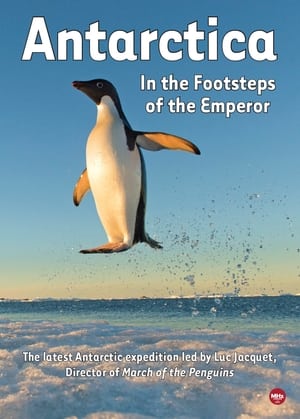
Gombessa Expedition 3 Protected by an international treaty Antarctica has been spared the effects of hunting and fishing. But signs in ice’s cyclical patterns and its biodiversity have become worrying. Connected to the planet’s global ecosystem via atmospheric circulation and ocean currents, this white haven is suffering the effects of human activities. To document and explain what is unfolding in Antarctica, photographer, diver, and marine biologist Laurent Ballesta and photographer of extreme environments Vincent Munier will be blending their artistic perspectives of a rapidly changing continent. Laurent will tackle technical and human prowess below the ice to bear witness to its remarkable underwater life. His photographs will advance knowledge on Antarctica’s unique and little-known biodiversity. On land, his eye riveted to the lens of his camera, Vincent captures snapshots of life in an Emperor Penguin colony.
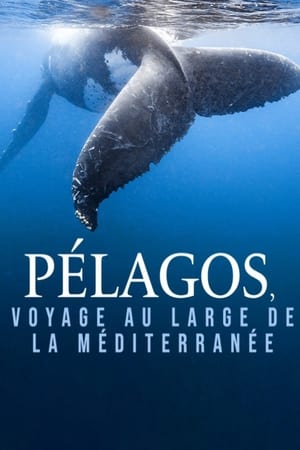
Pélagos, voyage au large de la Méditerranée
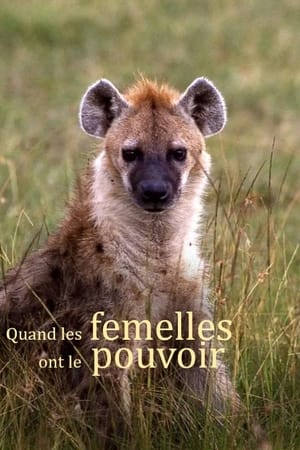
Quand les femelles ont le pouvoir
A unique documentary on chameleons living on the island of Madagascar, the world’s largest chameleon concentration, revealing incredible never-before-seen images and behaviors. Discover their incredible abilities such as: sleeping techniques, dancing, camouflage, 340° peripheral vision, catapult tongue, seduction, fluorescence...
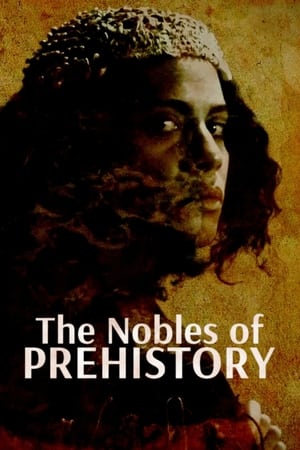
In 1872, in the cave of Cavillon in Monaco, archaeologist Émile Rivière (1835-1922) unearthed an apparently very old human skeleton, at least 24,000 years old, a discovery that changed the modern image of prehistoric men and women.
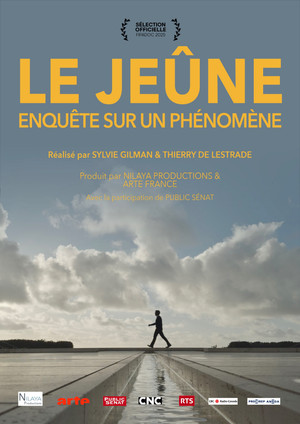
Intermittent fasting, autophagy, "metabolic switch": ten years after their first successful documentary on fasting, Sylvie Gilman and Thierry de Lestrade delve back into promising research on a booming practice.
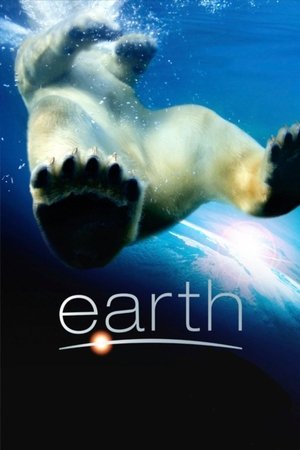
An epic story of adventure, starring some of the most magnificent and courageous creatures alive, awaits you in EARTH. Disneynature brings you a remarkable story of three animal families on a journey across our planet – polar bears, elephants and humpback whales.
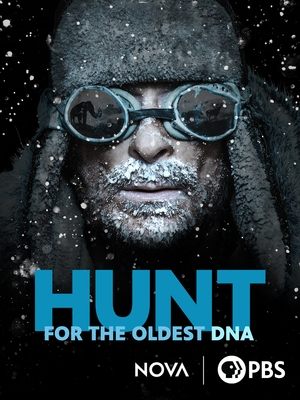
Three million years ago, camels roamed through Greenland’s endless forests and our ancestors lived in the trees. It all came to an end with the Ice Ages. What died and what survived, as natural selection shaped the evolutionary tree during this epochal shift from hot to cold? Until now, scientists have known less about the natural world before the Ice Age than they did about the age of dinosaurs, which ended 64 million years ago. A new discovery is set to reveal this lost world, species by species. Led by Danish gene-hunter Eske Willerslev, a team of scientists for the first time in history is sequencing DNA from before the Ice Age. The picture that emerges is of a hot planet, when forests blanketed the Arctic and carbon levels matched those in our atmosphere today. Is this a portrait of our own climate future?