When wealthy Edith Carroll, naïve and flighty, is introduced to the social but roguish Hubert Ranston, she is infatuated despite being engaged to contractor Joe Brooks. Even after her marriage she keeps up the flirtation, but the foolhardiness of her actions becomes clear when Hubert is exposed as a jewel thief who has made off with many baubles including some of Edith’s.
A chauffeur named Frank gets caught between his wealthy employer, Mr. Rogers, and Rogers' wife, who loves Frank, and his own love interest, Florence, the wealthy ward Rogers is abusive towards. After Frank is framed by Rogers for theft and a blackmail scheme involving the divorce, Frank and Florence fall in love, while Mrs. Rogers is driven to the brink of suicide. Frank protects Florence from Rogers and ultimately, the lovers unite while the abusive couple suffers.
Half-breed Nor is loved by French Canadian Jacques but when they quarrel, she meets Englishman Cedric Ralston who has been jilted by his fiancée Margaret for his elder brother, Lord Ralston. Later, Nor and Cedric are married, but on the day of their wedding, Cedric hears of his brother's death, and he goes to England, taking Nor. Unhappy she realizes Cedric’s heart belongs to Margaret and Nor returns to her mountains and to Jacques.
Canadian Mountie Philip Curtis is telling Josephine McCloud, with whom he is in love, about a hermit who once saved his life and nursed him back to health. Josephine remains impassive until Philip tells her the hermit's name: Peter God. At the mention of his name, Josephine begs Philip to find Peter and take him a letter she had written to him. Puzzled but not wanting to deny anything to the woman he loves, he sets out to find Peter, but when he does he discovers that Josephine has a connection to Peter that Philip knew nothing about.
A peasant girl goes to great lengths to protect her child in 19th century Vienna. The film is considered lost, and only four minutes of footage are known to remain.
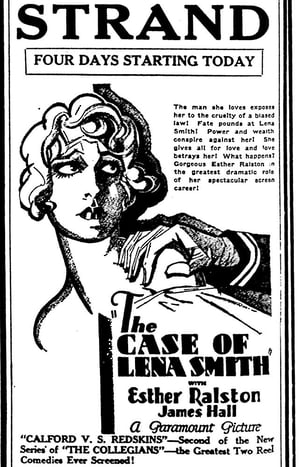
When Arthur Gilpin, a black night watchman, finds young Myrtle Gunsaulus mysteriously murdered in the basement of a factory, he is charged with the crime. The film is now believed to be lost.
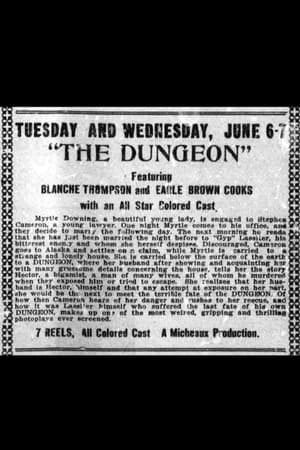
Myrtle Downing, an African-American woman, is coerced into marrying a corrupt would-be politician named Gyp Lassiter, even though she is really in love with Stephen Cameron, a young lawyer. When she discovers that her husband has conspired to support segregationist policies in exchange for support by white political power brokers, she objects to his crooked dealings and gets herself imprisoned in a secret dungeon where her husband had murdered his previous wives. Presumed to be a lost film.
Deceit (sometimes referred to as The Deceit) is a 1923 American silent black-and-white film. It is a conventional melodrama directed by Oscar Micheaux. Like many of Micheaux's films, Deceit casts clerics in a negative light. Although the film was shot in 1921, it was not released until 1923. It is not known whether the film currently survives, which suggests that it is a lost film. The 1922 film The Hypocrite was shown within Deceit as a film within a film.
A drama about the contents of a last will and testament left behind by an African-American sharecropper who was lynched after being falsely accused of the murder of a white plantation owner.
When wealthy Ochika marries desolute Danpei, she devotes herself completely to him and takes over her business, to the point of sowing dissensions within the Jōruri troupe in which her husband plays.
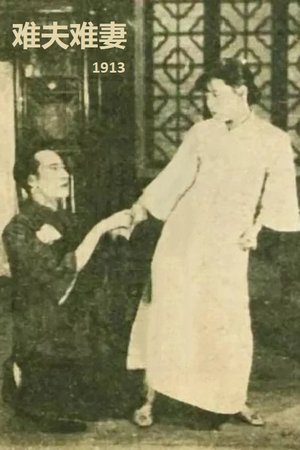
The film tells the story of a man and woman who don't know each other. After being matched by a matchmaker, after going through a series of red tape, they were sent to the bridal chamber and began a difficult life as a couple. Despite the primitive shooting methods and lack of training of the actors, the film has a very important place in the history of Chinese film.
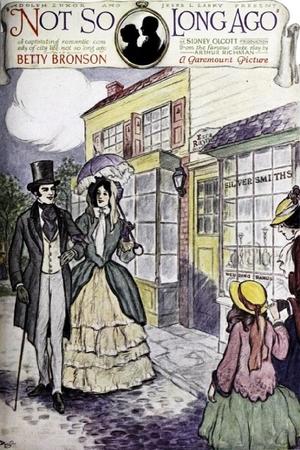
Against the backdrop of New York City of the early 1850s, a young woman -- naively seeking to win the love she reads about in the romance novels she devours -- finds one prospect in an earnest denizen of the Bowery, and another in an elegant young aristocrat. Focusing on the bygone era's fashions, the novelty of the bicycle-built-for-two, and an inventor's quest for the horseless carriage, the film gently stirs the audiences' nostalgia for simpler times.
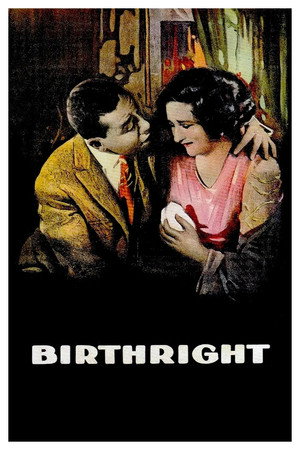
A young black Harvard graduate fights against a variety of obstacles, including racist opposition, in order to build a school for black children. Considered a lost film.
Pretty young Nell Bradley is the daughter of a saloonkeeper in a "dry" town, and is looked down upon by townspeople, but Rev. Charles Alden, the town minister, finds himself attracted to her. One day at Nell's father's bar, a traveling salesman gets a young woman intoxicated, intending to "have his way" with her. Nell sees this and gets the bartender to save the young woman's virtue, but just at that moment Rev. Alden walks in and mistakenly believes that Nell has gotten the girl drunk. Complications ensue.
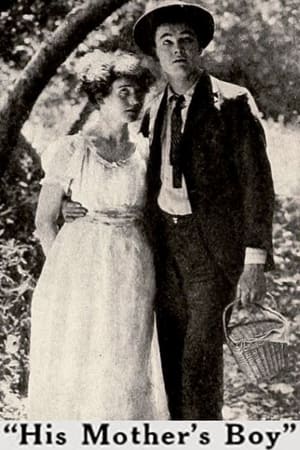
After his father dies amidst rumors that he was an oil swindler, Matthew Denton goes to Texas to discover the truth. But he has been spoiled by his mother and he has a hard time adjusting to his rough surroundings.
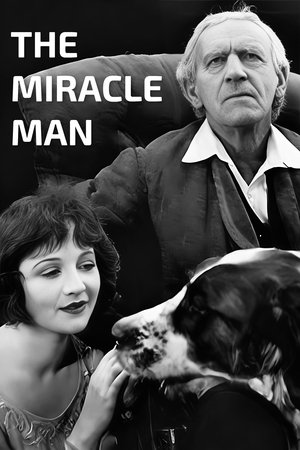
A gang of crooks evade the police by moving their operations to a small town. There the gang's leader encounters a faith healer and uses him to scam gullible public of funds for a supposed chapel. But when a real healing takes place, a change comes over the gang. Lost film, only the most famous scene has survived.
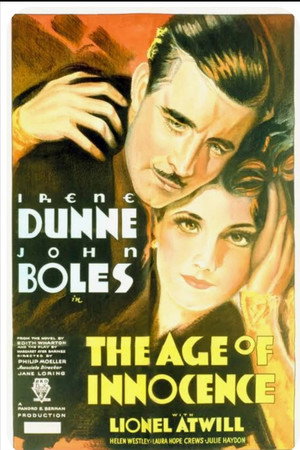
Newland Archer is engaged to May Mingott of a prominent New York family. Shortly after the engagement is announced, Newland finds himself attracted to May's older married cousin Countess Ellen Olenska.
A baron has recurring nightmares of being a dock worker on the run.
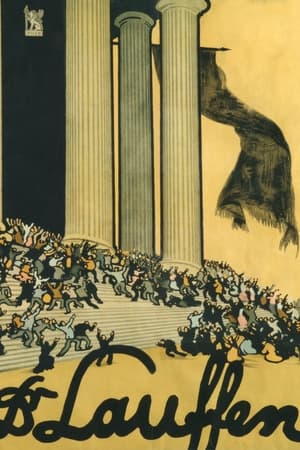
Dr. Lauffen
The film portrays the life of Florence Nightingale, particularly her innovations in nursing during the Crimean War (1854–56).