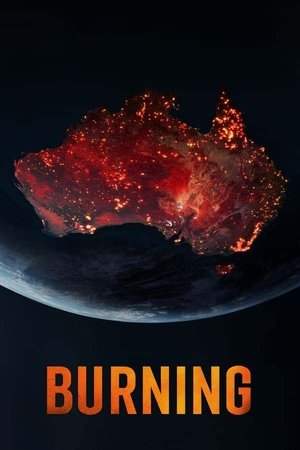
Follows the deadly Australian bushfires of 2019-2020, known as ‘Black Summer’. Burning is an exploration of what happened as told from the perspective of victims of the fires, activists and scientists.
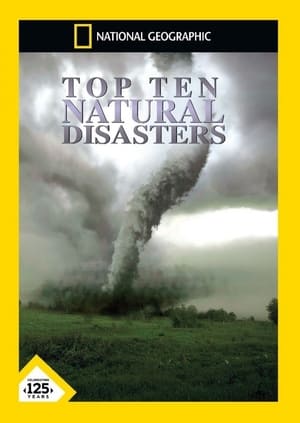
National Geographic gets 10 experts to pick the most significant natural disasters ever, adding eyewitness accounts and CGI to flesh out the stories.
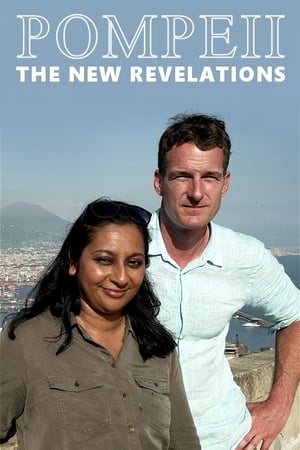
Archaeologist Raksha Dave and historian Dan Snow return to Pompeii to gain special access to a variety of new excavations, including two never-before-seen discoveries.
On a stormy day in May of 1889, the South Fork Dam impounding Conemaugh Lake exploded, unleashing a 40-foot wall of water. The bustling industrial city of Johnstown, PA, in the valley below was reduced to a wasteland, killing more than 2,200. This heavily dramatized documentary reviews the factors that led to the dam's collapse, while dramatic reenactments and survivors' personal testimonies detail the horror.
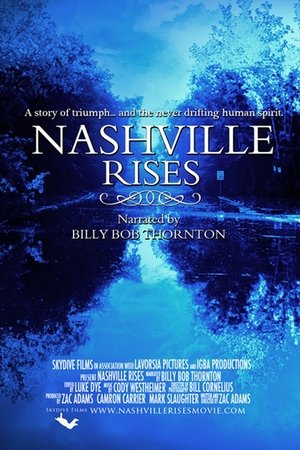
Nashville Rises is the first documentary film about the city of Nashville, Tennessee's response to the 2010 Tennessee floods. It premiered at the 42nd Nashville Film Festival on April 14, 2011 and received the festival's "Ground Zero Tennessee Spirit Award for Best Short Documentary Film". The film was narrated by Billy Bob Thornton and directed by Zac Adams.
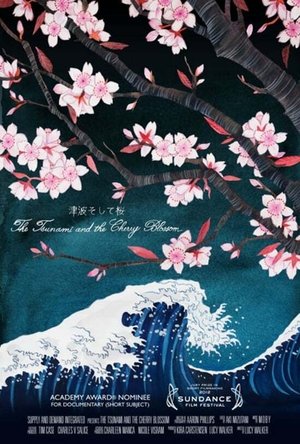
On 11 March 2011, an earthquake caused a tsunami to hit the Tōhoku (Northeast) region of Japan. In this film, survivors of the tsunami rebuild as cherry blossom season begins. The film is a stunning visual haiku about the ephemeral nature of life–and of the healing power of Japan's most beloved flower.
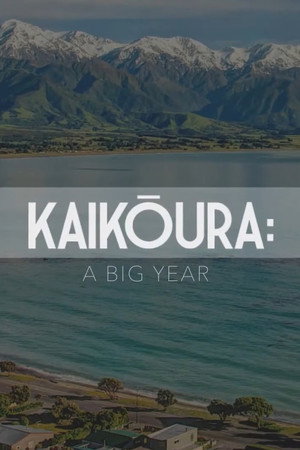
After a massive earthquake cut the South Island town of Kaikōura off from the rest of the country, a huge effort went into rebuilding the road and rail connection along this magical part of the New Zealand coast.
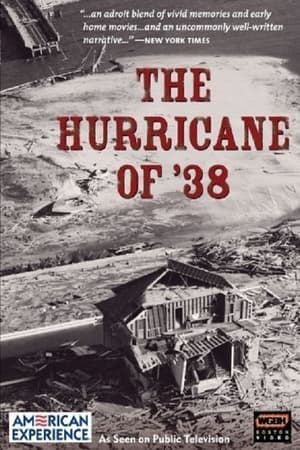
In September of 1938, a great storm rose up on the coast of West Africa and began making its way across the Atlantic Ocean. The National Weather Bureau learned about it from merchant ships at sea and predicted it would blow itself out at Cape Hatteras, North Carolina, as such storms usually did. Within 24 hours, the storm ripped into the New England shore with enough fury to set off seismographs in Sitka, Alaska. Traveling at a shocking 60 miles per hour -- three times faster than most tropical storms -- it was astonishingly swift and powerful, with peak wind gusts up to 186 mph. Over 600 people were killed, most by drowning. Another hundred were never found. Property damage was estimated at $400 million -- over 8,000 homes were destroyed, 6,000 boats wrecked or damaged.
The storm of 1993 that ravaged the Eastern Seaboard was bigger than any since the 1800s. Most were expecting only more unseasonable warmth, and were caught off-guard by the hurricane winds, massive thunderstorms, and fierce blizzards. Meteorologists puzzled over bizarre reports from their computers. Late warnings went largely unheard. Video footage from Florida to Maine documents nature's savagery.
Nothing nor anyone can escape the impacts of climate change. People from all corners of Brazil, our cities and forests, our economy, our health and our dreams for the future. Six Brazilians, from five different states, tell how climate change has affected their lives. A young indigenous woman who became the leader of a volunteer fire brigade after an unprecedented forest fire; a small farmer who faced six years of drought; a centenarian caiçara community forced to move due to the advance of the sea; a retailer who saw his shop destroyed by rains and landslides that claimed hundreds of lives in Rio de Janeiro; an oyster farmer who suffered harsh losses due to rising sea temperatures; a woman from a coastal city who lost two cars to storm tides which are happening more and more often along the Brazilian coast.
The story of the March 2011 Great East Japan Earthquake and tsunami as told through news footage and eyewitness video footage.
"The Tides Will Decide" is a documentary that follows Priscilla Patrick, a well-known Malaysian radio personality, and how she was caught in the 2004 tsunami in Sri Lanka. Miraculously surviving the devastating waves, she opens up about the harrowing incident and the events that followed. As Priscilla prepares to return to Sri Lanka for the 20th anniversary of the tragic event, this documentary will share glimpses of her life, highlighting the individuals who have influenced her, her relationship with God, and how everything came together when the ocean nearly claimed her life.
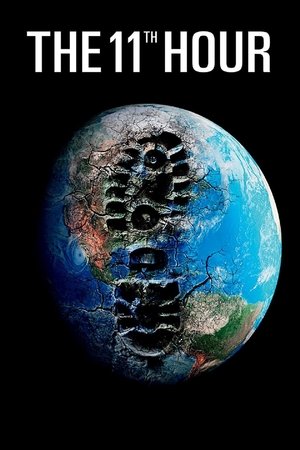
A look at the state of the global environment including visionary and practical solutions for restoring the planet's ecosystems. Featuring ongoing dialogues of experts from all over the world, including former Soviet Prime Minister Mikhail Gorbachev, renowned scientist Stephen Hawking, former head of the CIA R. James Woolse
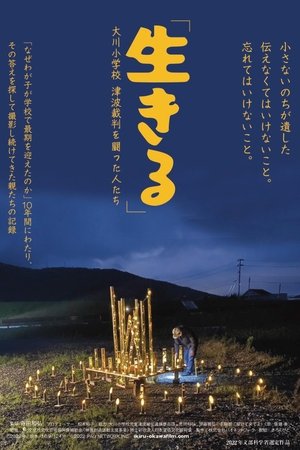
On March 11, 2011, Okawa Elementary School in Ishinomaki City was engulfed by a tsunami, and 74 children, or 70% of the school's children, were killed. 51 minutes elapsed between the earthquake and when the tsunami reached the school. The school was informed of the tsunami and a school bus was on standby, but students did not evacuate. Okawa Elementary was the only school that suffered a large number of casualties in this earthquake. This documentary follows the lawsuit that followed the disaster, where the parents sought the truth behind the tragedy.
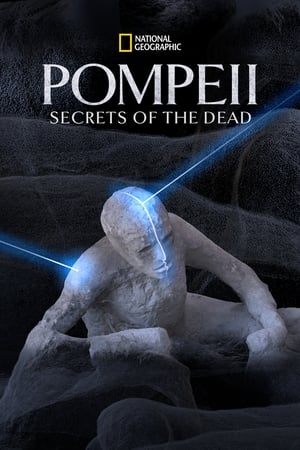
Forensic experts scan Pompeii’s victims to investigate why they didn’t escape the eruption.
Avant jurassic park, L'apocalypse des dinosaures
Le déluge du Saguenay : une tragédie humaine
Vajont 9 ottobre '63
This astounding documentary delves into the mysteries of the Tunguska event – one of the largest cosmic disasters in the history of civilisation. At 7.15 am, on 30th June 1908, a giant fireball, as bright the sun, exploded in the sky over Tunguska in central Siberia. Its force was equivalent to twenty million tonnes of TNT, and a thousand times greater than that of the atomic bomb dropped on Hiroshima in 1945. An estimated sixty million trees were felled over an area of over two thousand square kilometres - an area over half the size of Rhode Island. If the explosion had occurred over London or Paris, hundreds of thousands of people would have been killed.
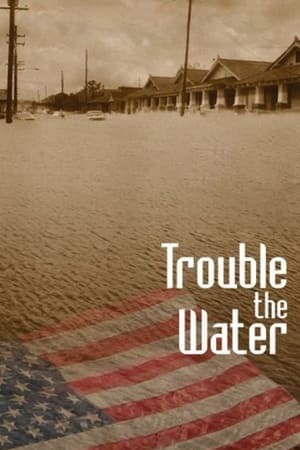
"Trouble the Water" takes you inside Hurricane Katrina in a way never before seen on screen. The film opens the day before the storm makes landfall--just blocks away from the French Quarter but far from the New Orleans that most tourists knew. Kimberly Rivers Roberts, an aspiring rap artist, is turning her new video camera on herself and her Ninth Ward neighbors trapped in the city. Weaving an insider's view of Katrina with a mix of verité and in-your-face filmmaking, it is a redemptive tale of self-described street hustlers who become heroes--two unforgettable people who survive the storm and then seize a chance for a new beginning.