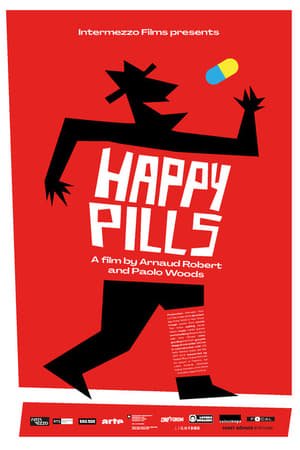
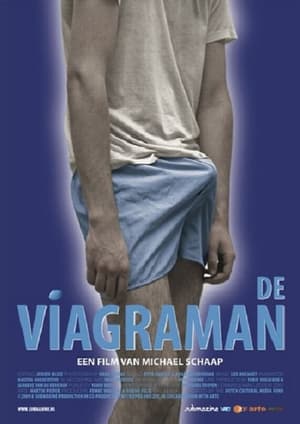
Narrator and director Michael Schaap's confessional style and general goofiness bring levity to an awkward topic: "erectile dysfunction" and the little blue pill that treats it.
Six months after a tsunami hit South Asia on December 26, 2004, Muslim-American and Sri Lankan-born Dr. M. Rahmi Mowjood led a team of American doctors and medical students on a relief trip. While mentoring medical students and aiding injured villagers, Dr. Mowjood also finds a way to ask someone to become a member of his own family.
The Hugo's Brain is a French documentary-drama about autism. The documentary crosses authentic autistic stories with a fiction story about the life of an autistic (Hugo), from childhood to adulthood, portraying his difficulties and his handicap.
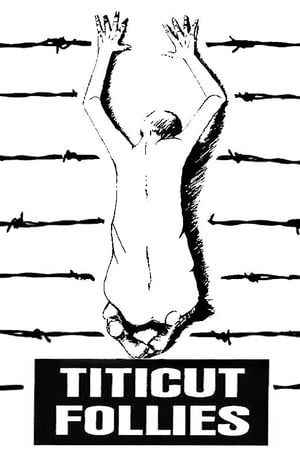
A stark and graphic portrayal of the conditions that existed at the State Prison for the Criminally Insane at Bridgewater, Massachusetts, and documents the various ways the inmates are treated by the guards, social workers, and psychiatrists.
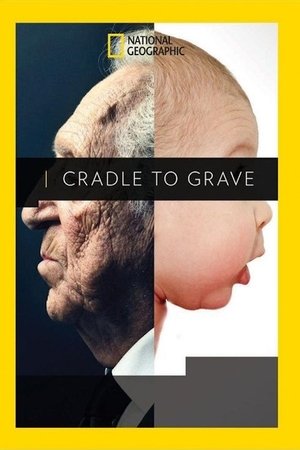
Through our subject Adam, we reveal the incredible changes and forces that take all humankind from Cradle to Grave.
Anatomie de la douleur
Et si la mort n’existait pas ?
Weaving together powerful interviews with survivors, experts, and well known celebrities, this advocates for upscaling skin cancer prevention efforts, equitable access to treatment, and champions innovative research and treatment approaches.
Injectable anti-inflammatories, anticoagulants, anti-infectives, anticancer drugs and even cotton wools are in short supply. Like many others in France, the pharmacy at Rennes hospital is constantly on the edge. Over the past two decades, shortages of medicines and health products have increased twentyfold in Europe. With almost all laboratories affected, practitioners and health establishments are forced to juggle with quotas to make up for shortages. Some even have to prioritise patients in terms of access to treatments, according to scales established by the laboratories. In the Netherlands, hospital pharmacies have resigned themselves to manufacturing the molecules they lack.
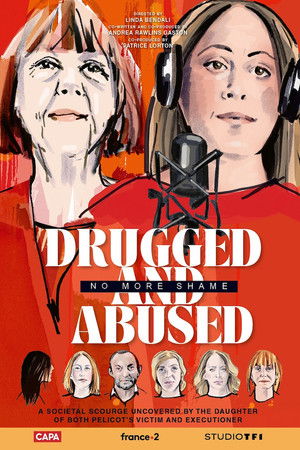
Caroline Darian, Gisèle Pelicot's daughter, looks back on the tragedy that shook her family: for ten years, her father drugged her mother to subject her to rapes committed by strangers recruited on the Internet. This case exposes the scandal of chemical submission, a practice where attackers, generally close to the victims, use prescription or over-the-counter medications to commit their crimes. This phenomenon, far from being marginal, affects victims with varied profiles...
This report was broadcast on ARD in 1993. In 43 minutes, the development of psychiatry "in the third year after reunification" is shown using two institutions in the new federal states as examples. A touchstone for all of psychiatry and disability care to this day. The film shows a shocking way in which disabled people are treated. The commentary uses the perspective of those affected. 50 years after euthanasia in Germany, this documentary reminds us of this once again.
Shows masked mental patients enacting various schizophrenic symptoms as they were understood at the time. A disturbing film that raises questions about the condition and treatment of its subjects. (archive.org) “Abstract: This film describes and demonstrates four types of schizophrenia. Filmed at various New York institutions, it shows patients singly and grouped in large, outside recreational areas. Some patients are blindfolded. Symptoms shown include: social apathy, delusions, hallucinations, hebephrenic reactions, cerea flexibilitas, rigidity, motor stereotypes, posturing, and echopraxia.” (Guide to Mental Health Motion Pictures)
Can the human brain really handle several tasks at once? The film exposes the myth about effective multitasking and takes a scientific look at its feasibility in the real world.
Marina Carrère d'Encausse lifts the veil on the intimate questions that preoccupy her as well as society at large: those related to the end of life. The doctor-journalist introduces Antoine, her partner, who is suffering from Charcot's disease, an incurable illness, and who wishes to choose how he ends his life. Is the current law in France sufficient? Should it simply be better enforced, allowing better access to palliative care? Should assisted suicide and euthanasia be legalized? Marina meets with patients concerned about the end of life, caregivers, and politicians in France, as well as in Belgium, Switzerland, and Canada, countries where euthanasia and assisted suicide are legal.
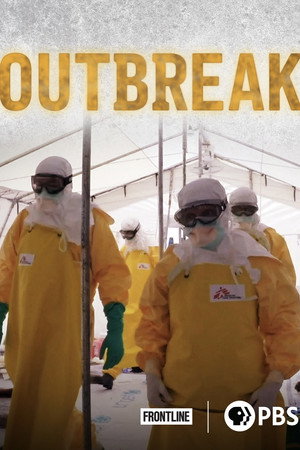
Recounts the chilling events leading up to the emergence of the deadly Ebola virus. Shot on location in Africa, Europe and North America, and features interviews with Ebola survivors.
A Perilous Quest to Save the World’s Children tells the inspiring story of Dr. Maurice R. Hilleman, a man with a singular, unwavering focus — to eliminate the diseases of children. From his poverty-stricken youth on the plains of Montana, he came to prevent pandemic flu, develop the measles-mumps-rubella (MMR) vaccine, and invent the first-ever vaccine against human cancer.
Faced with a traumatic injury that renders you permanently disabled; how would you reinvent yourself? Full Circle tells the story of Trevor Kennison and Barry Corbet’s shared resiliency and refusal to let their passion for life be limited by Spinal Cord Injury. It is an unblinking examination of the challenges of Spinal Cord Injury, and a celebration of the growth that such tragedy can catalyze.
During a canoe trip, neurologist Magnus Heier suffers from sudden amnesia: for eight hours, he records nothing. Everything he does is immediately forgotten. This episode becomes the starting point for an exploration of his own memory. How can his functioning explain the incident he suffered? And what happened to the doctor during those lost hours? To understand the amnesia that has affected him, Magnus Heier embarks on an investigation among his peers. His journey takes him to Finland, Germany and Italy, where he visits researchers working on the astonishing brain faculty of memory.
"On the Tip of the Heart" - is a documentary on the St Peter's Hospital in Brussels, structured around seven doors from the maternity to the morgue. This is an opportunity for the director to ask the audience a question, namely: what is there in common between a medieval city, human life and a hospital?
An exploration of how the once taboo art form has become socially acceptable.