Eccentric, outspoken, and unfiltered TV and low budget film director Josh Becker struggles to emerge from the shadow of his work on "The Evil Dead", "Xena", the careers of his more successful colleagues, depression and alcoholism to fulfill his lifelong ambition of creating high quality, successful films.
A short documentary about Dave Kloc's weekly poster-making process for The Meltdown with Jonah and Kumail. Filmed during the week of June 24th, 2015.
Collisions, Life and Death from Outer Space
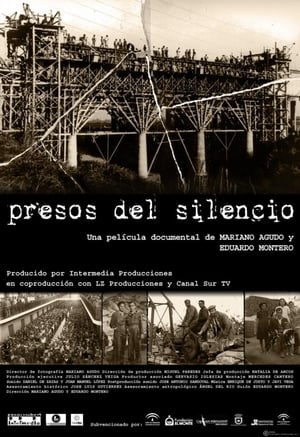
An exploration —manipulated and staged— of life in Las Hurdes, in the province of Cáceres, in Extremadura, Spain, as it was in 1932. Insalubrity, misery and lack of opportunities provoke the emigration of young people and the solitude of those who remain in the desolation of one of the poorest and least developed Spanish regions at that time.
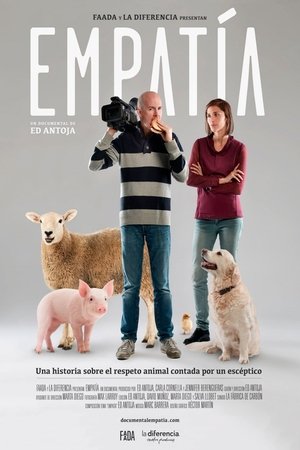
Cats are cuddly felines and lovely pets, but also highly evolved predators that hunt huge amounts of small mammals, birds and reptiles; perfect killing machines that threaten delicate ecosystems around the world.
Women are sexually insulted and threatened by men every day. Experts around the world are registering an anti-feminist backlash that seems to be on the verge of becoming socially acceptable. Particularly affected: women in publicly visible positions – such as politicians, actresses or entrepreneurs. Who is behind the attacks and what are the motives?
Al Jazeera’s I‑Unit exposes covert recordings and leaked documents revealing former PM Sheikh Hasina’s order to deploy lethal force and even helicopters against student protesters during Bangladesh’s 2024 uprising. As 1,500 died and 25,000 were injured, the film uncovers a regime’s cover‑up, manipulated autopsies, and an internet blackout to bury the truth.
An analysis of the rise of the European far-right, increasingly present in both politics and everyday life: an inquisitive journey through France, Germany and Belgium.
Documentary on Les Charlots, known as The Crazy Boys in the English-speaking world, a group of French musicians, singers, comedians and film actors who were popular in the 1960s, 1970s, and early 1980s.
Behind The Looking Glass is a film about the lives of women whose partners have or want to ‘transition’. While we hear a great deal of “stunning and brave” stories of men, there is a deadly silence when it comes to the stories of the wives or partners. This film will be the first of its kind in collecting such experiences of women from around the world.
A group of friends reunite in the north of Scotland during summer.
This documentary was written with passion and love for cinema, and on the other hand, he blamed her. Our fictional character for this documentary talks about her passion for cinema and how it affected her life and recounts the decades that passed on the cinema one after the other.
A documentary film that delves into the life and cinematic career of one of Japan's most prolific directors: Ishiro Honda. The film will spotlight Honda's filmography from both a historical and personal perspective, exploring his contributions to the Japanese film industry and his firsthand experiences of war, from which he barely survived. It will also delve into his profound feelings regarding the atomic bomb, a subject that became an obsession for him and was frequently reflected in his films. The documentary will analyze Honda's body of work through interviews with individuals who had the privilege of collaborating with him, as well as experts on Honda's films from both Japan and the Western world. Furthermore, the film will uncover Honda's friendship and professional relationship with director Akira Kurosawa.
Documentary about the making of Juzo Itami's film "Tampopo" (1985).
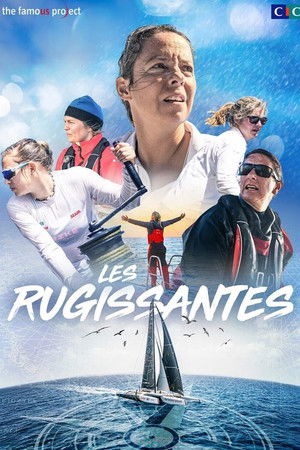
Women around the world are often subject to harmful stereotypes depicting them as being weaker or inferior to men. The world of sports is no exception. This film tells the stories of girls who have broken through stereotypes and are participating in sports that are usually dominated by men. It wasn't easy for them to get there, but it was certainly worth it.
The San Francisco Foundation 2013 Community Leadership Awards presents Nancy Hom with the Helen Crocker Russell Award, made to an under-recognized, mature artist who has made a significant and ongoing contribution in the Bay Area. Nancy Hom, has used the arts as a means to reclaim and affirm the histories, struggles, and contributions of multicultural and underserved communities. Through her silkscreen posters, illustrations, 3-D installations, and curatorial work, Nancy has addressed a range of social issues and causes. In addition to being an artist, curator, and writer who continues to push the boundaries of her art after forty years, she has also nurtured the artistic and organizational growth of over a dozen Bay Area arts organizations. Her projects have had a profound influence, from healing historical trauma to mentoring the next generation of artists to build community through art. www.sff.org/cla
An Episcopal minister. 41 naval recruits. A zealous newspaper editor. A pandemic. A drag show. A beanstalk. The YMCA. A future president of the United States. This multiple screen installation looks at the 1919 Newport Sex Scandal.
Petrouchka is a young Gabonese woman who takes care of her brother who is a victim of a disability. Her love for her brother leads her to create an association that aims to help all young people who live in this situation and is now called the mother of the disabled. She proudly shares her career with her followers on social networks.
Detective Inspector Campbell (Gordon Jackson) looks into the murder of a teacher at a girls school where there are a number of suspects, including her colleagues and the married man she had been seeing.
How does a nation slip into war? Dateline-Saigon profiles the controversial reporting of five Pulitzer Prize-winning journalists -The New York Times' David Halberstam, the Associated Press' Malcolm Browne, Peter Arnett, and legendary photojournalist Horst Faas, and UPI's Neil Sheehan -- during the early years of the Vietnam War as President John F. Kennedy is secretly committing US troops to what is initially dismissed by some as 'a nice little war in a land of tigers and elephants.' 'When the government is telling the truth, reporters become a relatively unimportant conduit to what is happening,' Halberstam tells us. 'But when the government doesn't tell the truth, begins to twist the truth, hide the truth, then the journalist becomes involuntarily infinitely more important.'