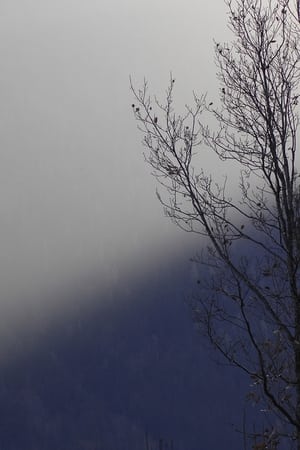
Documentary on the village of Viganella, in the Piedmont Alps, and on its mirror that reflects the sunlight on the hamlet, which otherwise would not reach the valley.
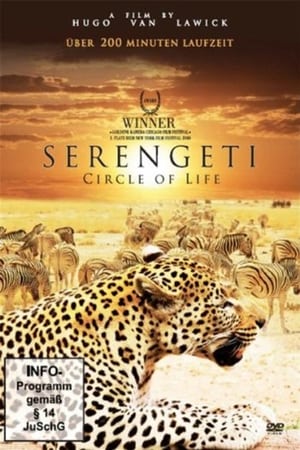
An animal documentary by Emmy award winner Hugo van Lawick. The viewer experiences unforgettable and magnificent recordings from Africa, accompanied by a fantastic soundtrack!
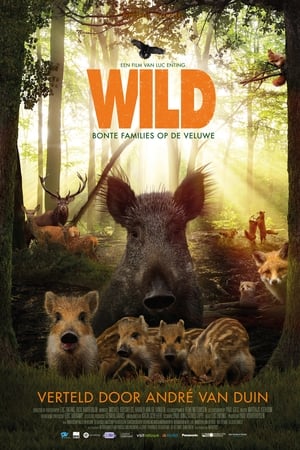
From the imposing mating call of the red deer and the flight of the buzzard to the hunt of the fox and the micro-ecosystem on a massive oak: nature documentarist Luc Enting recorded it all for his stunning feature film Wild Heart of Holland, produced by PVPictures. The result of his efforts is an exciting, moving and often humorous film, revealing the beauty and diversity of this wild park in every season. We also watch the main characters grow up to adulthood, a path inevitably dogged with challenges. Enting: “To me, this park, in any season, has an almost un-Dutch beauty. It is the largest continuous nature reserve in northwest Europe with an incredible variety of landscapes and life. It has forests, heath, sand drifts, brooks and pushed moraines. With my film, I would like to give a new insight into its incredibly diverse nature.”
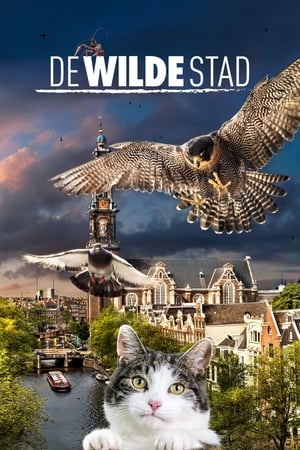
The city from the unique perspective of the many wild animals and plants that inhabit it. Seen through the eyes of the adventurous urban cat, Abatutu.
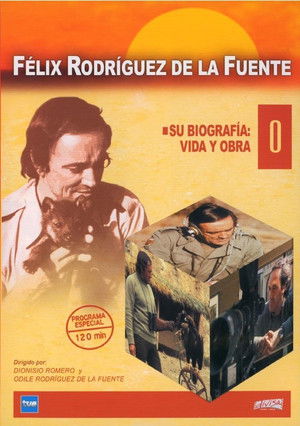
Félix Rodríguez de la Fuente (Vida y obra)
For 12,000 years wolves roamed Scotland. However, over three centuries ago, we exterminated them. This film reveals the rise and fall of the Scottish wolf and explores the question of whether they should be re-introduced. Wolves arrived as the last ice age ended, following the herds of deer and reindeer that crossed a now-lost land bridge from Europe. For thousands of years, wolves and humans shared the landscape as apex predators, with the wolf entering human art, myth and belief. However, farming put wolves and humans on a collision course, and, after centuries of persecution, wolves became extinct in Scotland. Since then, deer numbers have exploded, and many of Scotland’s woodlands have been stripped bare. Some argue for the wolf’s return. Could we, and should we, hear the howl of the wolf once more in the Highlands?
Als de wolken vallen
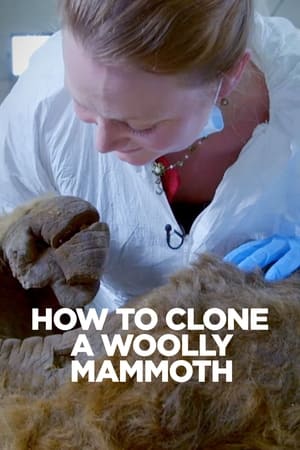
The Siberian discovery of the best-preserved woolly mammoth on record has teams of experts working around the globe, and around the clock, on some of the most ambitious projects in science. In Russia, paleontologists are conducting a historic autopsy on the 40,000-year-old beast to find out how it lived, and how it died. Meanwhile labs in South Korea and at Harvard University are using the latest advances in DNA manipulation in hopes of cloning the furry giant and introducing it to the modern world.
Climate change in the Sea of Okhotsk threatens the rich ecosystem of Shiretoko Peninsula. Decreases in sea ice and spawning fish have upset the natural balance and put once common brown bears at risk.
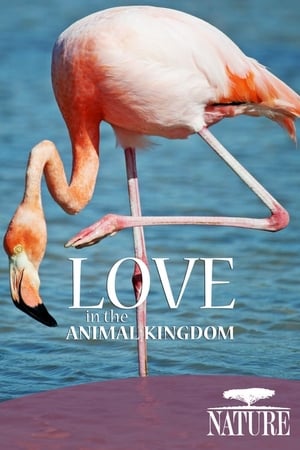
Animals dance, sing, flirt, and compete with everything they’ve got to find and secure a mate. For many, the all-important bonds they share as a couple are what enable the next generation to survive. But can we call these bonds love? In this delightful, provocative look at the love life of animals, we see the feminine wiles of a young gorilla, the search for Mr. Right among a thousand flamingos, the open “marriages” of blue-footed boobies, the soap opera arrangements of gibbons, and all the subtle, outrageous, romantic antics that go into finding a partner. These are love stories all right, as various and intriguing as the lovers themselves.
"There are things in this world that are yet to be named" centers around Solanum plastisexum - an Australian tomato whose sexual expression is unpredictable and unstable, challenging even the fluid norms of the plant kingdom. Footage of the team of botanists who recently used their Solanum research to explode notions of sexual normativity in any plant or animal is combined with a voiceover of letters sent between science writer Rachel Carson and her lover Dorothy Freeman. "There are things in this world that are yet to be named" is a meditation on erasure, indefinability, and the intersection of queer and environmental histories.
For her entire professional life, renowned ecologist Nalini Nadkarni pioneered climbing techniques to study "what grows back” after an ecological disturbance in the rainforest canopy. Now, after surviving a life-threatening fall from a tree, she must turn her research question onto herself in order to understand the effects of disturbance and recovery throughout her life.
The story of one remarkable woman who became a global icon in animal welfare and conservation who not only hoped for a better world, she achieved it! This sweeping documentary celebrates the vast legacy of Dr. Goodall’s four decades of advocacy work for chimpanzees and depicts the next chapter for generations to come.
Finnish nature documentary by Petteri Saario explores the extreme, harsh lives of creatures on outer sea islets. Film documents grey seals and sea eagles through all seasons, showing the impact of storms and climate change on their breeding grounds.
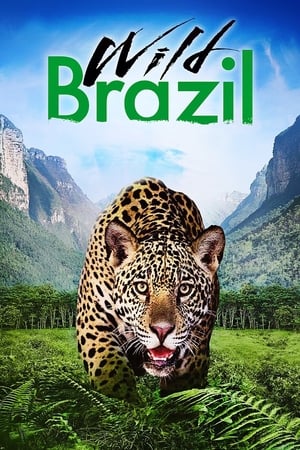
Go up-river and deep into the jungle far from Brazil's cities and stadiums, where families of giant otters, tufted capuchin monkeys and mischievous coati (South American raccoon cousins) rally their wits to survive in a breathtakingly beautiful yet dangerous land.
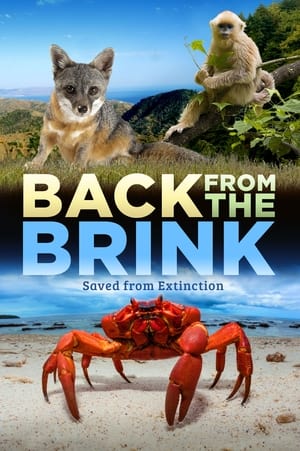
The remarkable true story of three animal species rescued from the brink of extinction: California’s enchanting Channel Island Fox, China’s fabled Golden Monkey, and the wondrous migrating crabs of Christmas Island. Discover successful, heartfelt, and ingenious human efforts to rescue endangered species around the world.
Příběh z rákosiny
Aleje jako součást naší krajiny
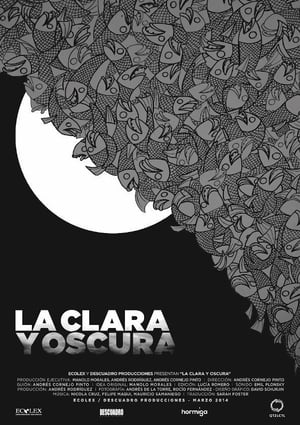
Salango is a small parish south of Manabí. What this land means to Ecuador, however, is huge. Its name is associated with the pre-Columbian legacy of the Manta Wancavilca cultures, the humpback whales that arrive each year to mate, the homonymous island and its coral reefs, the great wealth of marine fauna. It is there, in one of the places with the greatest archeological and environmental heritage of our country, where the Polar fishmeal processor has been operating for 35 years. What does not emerge from the idyllic postcards of the area is the foul smell that pollutes the air, the portrait of people sick from the factory's toxic wastes, the disgusting black smoke that flows into the sea directly from the processor pipeline. That is why it is the struggle of the few members of the community who have not given up and demand that Polar leave.
Volavky na Velkém Tisém