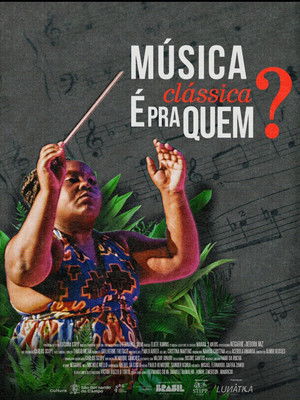
Música Clássica é pra Quem?
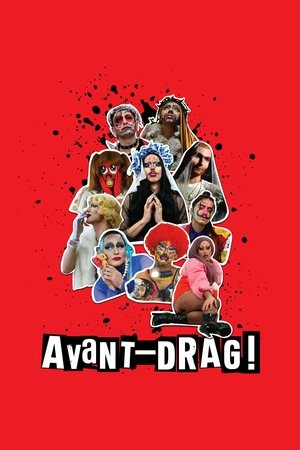
Avant-Drag! paints portraits of ten drag artists of varying gender expressions and sexualities who take to the streets of Athens to query, problematise and (yes, please!) undermine social strictures. Employing wildly imagined personas – like riot housewives and Albanian turbo-folk girls – who perform acts as revolutionary as praising abortion and as charming as drawing childish pictures, these artists call for social justice by taking aim at conservatism, patriarchy, patriotism, racism and sexism.
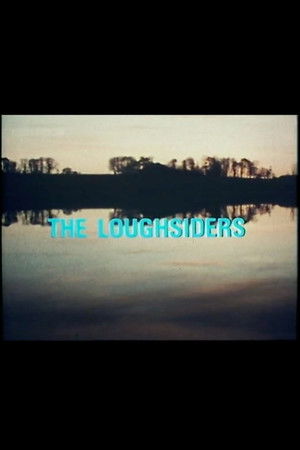
Seamus Heaney travels across Lough Erne in Fermanagh, visiting early Christian sites and the settlements of the English and Scots who made their homes on the loughside.
A darkly beautiful visual essay that explores human emotion in response to societal standards. With a lone cello providing the soundtrack, this collage of archival footage from 1950’s-era films is a superb example of manipulation via sound and image (Dorothy Woodend, DOXA Documentary Film Festival)
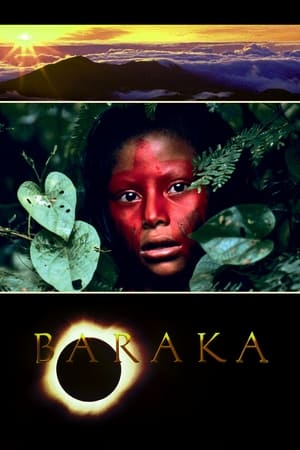
Takes us to locations all around the US and shows us the heavy toll that modern technology is having on humans and the earth. The visual tone poem contains neither dialogue nor a vocalized narration: its tone is set by the juxtaposition of images and the exceptional music by Philip Glass.
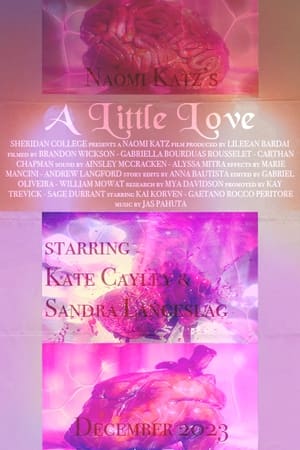
Through interspersed conversation and prose, this experimental documentary follows a poet and a neuroscientist as they explore the definition of love, what it means, and why it matters.
Celebrating the splendor and grandeur of the great cinemas of the United States, built when movies were the acme of entertainment and the stories were larger than life, as were the venues designed to show them. The film also tracks the eventual decline of the palaces, through to today’s current preservation efforts. A tribute to America’s great art form and the great monuments created for audiences to enjoy them in.
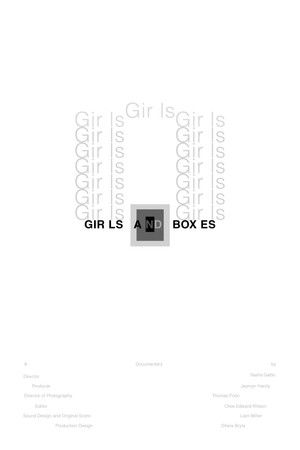
From a high school art class to a local radio station, the day-to-day lives of several women coalesce into a poetic documentation of women’s presence and physicality across everyday spaces.
The 1948 South American Championship, won by Vasco, the first continental world champion. In the absence of period records, radio commentary was recreated, and the highlights were animated. The trajectory of CR Vasco da Gama up to that point: the fight against racism, São Januário as the country's main sports and social arena, and the culture dominated by Vasco fans.
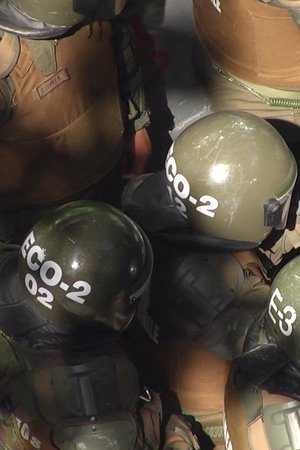
A poetic short film showing a day in the 2019 protests in Santiago, Chile through documentary images.
Seventh art is unique addresses people's relationship with a movie theater or film. What feelings do they feel? What changes in you when you go to the movies? It also addresses Jair Bolsonaro's harsh criticism of culture and cinema in Brazil.
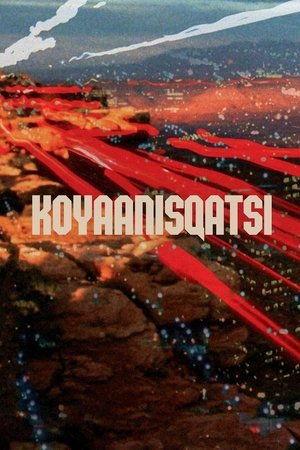
A paralysingly beautiful documentary with a global vision—an odyssey through landscape and time—that attempts to capture the essence of life.
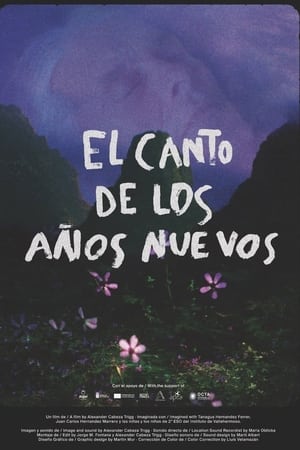
On the island of La Gomera, children imagine stories while they examine archeological remains. An ethno-fictional journey in which past and present coalesce, creating resonances between the volcanic landscape and Silbo, the whistled language of the island.
Brechó Brasil
An exploration of technologically developing nations and the effect the transition to Western-style modernization has had on them.
Balcão
Hot Splice is a semi-serious short documentary that highlights how destructive film repairs leave behind raw materials to experiment and play with. In a mixture of archival video, 16mm film scans, inexplicable French narration, and Atlanta trap history, this short takes bits and pieces collected during my time as an archival assistant to make something nouveau.
A story of The Map and The Territory. Shot in BC, California, and Nevada. Original music by Tashi Townley, Jack Brintnell, Luc Wiebe, and George Lee.
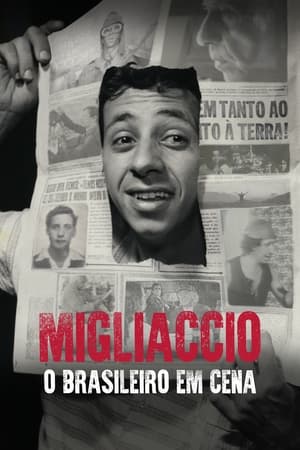
The documentary Migliaccio - O Brasileiro em Cena follows the path of those who take risks for the art, either as directors, as writers, as scenographers and even as costume designers. The Oscarito trophy received by Flávio Migliaccio in 2014 Gramado Film Festival crowns a career enmeshed by many threads. Since Migliaccio has performed in different fields of art - from cinema and theater to literature and drawing -, the documentary creates varied visual interventions to enchain the narrative, in addition to the interviews and archive pictures, such as a shadow play to represent his humble childhood, and to the cartoons the artist drew to portray his existential questions in his ranch in Rio Bonito (State of Rio de Janeiro). Images and stories that aim to show a professional and personal life pervaded by possibilities and attitudes, both artistic and political.
Era Locadora