In November 2024, two Indigenous ranger teams set out on a 1,900-kilometre journey from the remote community of Bidyadanga in Western Australia to Uluru. Their destination: the largest gathering of Indigenous desert rangers in Australia — the Indigenous Desert Alliance Conference.
The story of a Warlpiri woman, Audrey, and her Sicilian partner Santo as they navigate through colonial systems to keep the children they care for together. Audrey Napanangka was born at a time when the world was changing for the people in the Central Australian Desert. Settler colonisation was permeating the desert and forced changes and the fusion of two worlds shifted Audrey’s life forever. Today, Audrey raises young people to walk in many worlds, by centering culture, language, and Law in their lives alongside mainstream education. The intimate footage filmed over 10 years in Mparntwe (Alice Springs), Yuendumu and Audrey’s Warlpiri country Mount Theo, showcases a heartwarming story about the power of kinship and family in what is known as Australia.
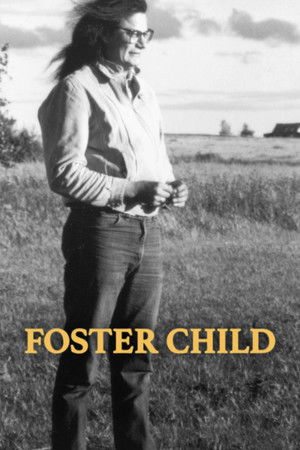
Gil Cardinal searches for his natural family and an understanding of the circumstances that led to his becoming a foster child. An important figure in the history of Canadian Indigenous filmmaking, Gil Cardinal was born to a Métis mother but raised by a non-Indigenous foster family, and with this auto-biographical documentary he charts his efforts to find his biological mother and to understand why he was removed from her. Considered a milestone in documentary cinema, it addressed the country’s internal colonialism in a profoundly personal manner, winning a Special Jury Prize at Banff and multiple international awards.
The Alexander Ball is an observational documentary extravaganza celebrating Samoan-Māori-Australian trans woman of colour, Ella Ganza, and the Meanjin (Brisbane) ballroom scene, as she and her ballroom family prepare for one of the biggest pride events of the year: The Alexander Ball.
A document of the originators of the DIY Rez Metal scene, and the bands that are now carrying the torch, including I Dont Konform, Mutilated Tyrant and Born of Winter. From a generator-powered show in the Arizona desert to a band practicing in a traditional Navajo dwelling called a Hogan, this story — told by Navajo ("Diné") bands and individuals involved in the scene — explores the creation of Rez Metal in the Eighties, the juxtaposition of old and new Navajo traditions and the link between heavy metal and native pride.
Narrated by Indigenous elder Balang T E Lewis, this inspiring documentary will take you on an adventure to explore the culture and wildlife of Australia’s remote wild north. Far Northern Australia is a land of extremes, from bushfires to torrential floods. Explore the wildlife and meet the people in Australia’s wild top end, from the Kimberley coast through the mysterious Arnhem Land, and deep into the world’s oldest rainforest in Cape York.
For almost a century, the Coast Salish knitters of southern Vancouver Island have produced Cowichan sweaters from handspun wool. These distinctive sweaters are known and loved around the world, but the Indigenous women who make them remain largely invisible.
The story of a young boy forced to spend all five years of his short life in hospital while the federal and provincial governments argued over which was responsible for his care, as well as the long struggle of Indigenous activists to force the Canadian government to enforce “Jordan’s Principle” — the promise that no First Nations children would experience inequitable access to government-funded services again.
Elliot Page brings attention to the injustices and injuries caused by environmental racism in his home province, in this urgent documentary on Indigenous and African Nova Scotian women fighting to protect their communities, their land, and their futures.
Follow filmmaker Elle-Máijá Tailfeathers as she creates an intimate portrait of her community and the impacts of the substance use and overdose epidemic. Witness the change brought by community members with substance-use disorder, first responders and medical professionals as they strive for harm reduction in the Kainai First Nation.
An hour-long documentary on the life and career of actor David Gulpilil.
On Canada's Pacific coast this film finds a young Haida artist, Robert Davidson, shaping miniature totems from argillite, a jet-like stone. The film follows the artist to the island where he finds the stone, and then shows how he carves it in the manner of his grandfather, who taught him the craft.
In the 50 years since he carved his first totem pole, Robert Davidson has come to be regarded as one of the world’s foremost modern artists. Charles Wilkinson (Haida Gwaii: On the Edge of the World) brings his trademark inquisitiveness and craftsmanship to this revealing portrait of an unassuming living legend. Weaving together engaging interviews with the artist, his offspring, and a host of admirers, Haida Modern extols the sweeping impact of both Davidson’s artwork and the legions it’s inspired.
Filmmaker Warwick Thornton investigates our relationship to the Southern Cross, in this fun and thought provoking ride through Australia's cultural and political landscape.
An Aboriginal Australian and Native American documentary narrated by award-winning actor Jack Thompson, One Heart-One Spirit tells the story of Kenneth Little Hawk, an elder Micmac/Mohawk performing artist, meeting the oldest surviving culture on the planet: the 40,000 year old Yolngu nation located in northern Australia.
WINHANGANHA (Wiradjuri language: Remember, know, think) - is a lyrical journey of archival footage and sound, poetry and original composition. It is an examination of how archives and the legacies of collection affect First Nations people and wider Australia, told through the lens of acclaimed Wiradjuri artist, Jazz Money.
Filmmaker Kevin McMahon accompanies the Haida delegation on a repatriation trip to Chicago in 2003. His film reveals the whole repatriation process through the stories and experiences of the people who participated, both Museum staff and the Haida people.
Long thought to be the first film ever made by an Indigenous filmmaker, Black Fire examines the situation of First Nations people in the early 1970s through politically charged discussions, comical vox pops, and interviews with luminaries of the time such as Pastor Doug Nicholls and Aboriginal Tent Embassy co-founder Bertie Williams.
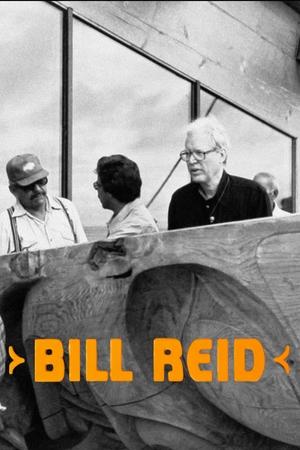
Follows Haida artist Bill Reid, from British Columbia. A jeweller and wood carver, he works on a traditional Haida totem pole. We watch the gradual transformation of a bare cedar trunk into a richly carved pole to stand on the shores of the town of Skidegate, in the Queen Charlotte Islands of B.C.
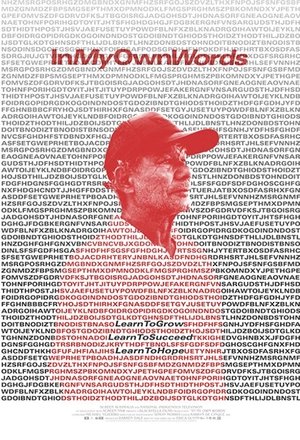
The raw, heartfelt and often funny journey of adult Aboriginal students and their teachers as they discover the transformative power of reading and writing for the first time.