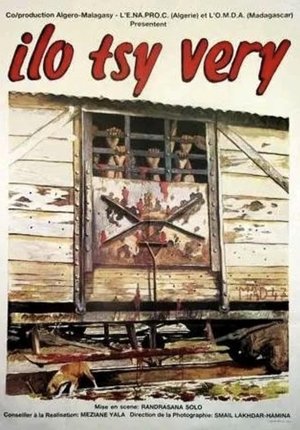
If some want to perpetuate colonization, Malagasy people must oppose a strong no, whoever the colonists are » . Thus spoke Felix Robson, deported during the anti-colonial insurrection of 1947.
An animated documentary that speaks to immigrants' personal experiences living in Aotearoa, exploring themes of racism, discrimination, loss, loneliness, and maintaining cultural ties while living in another country.
Animali d'Africa
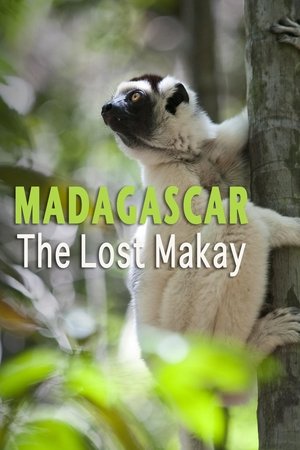
Come and join a group of French scientists on an unprecedented expedition to the most remote region of Madagascar. Discover the lost, breathtakingly beautiful region of Makay.
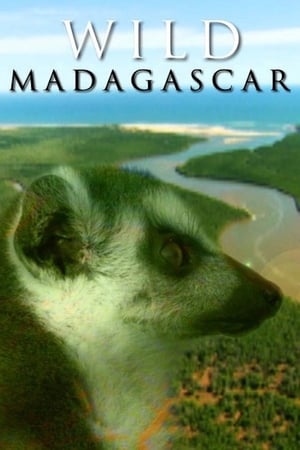
WILD MADAGASCAR spotlights the many strange and unique species of Madagascar and the impact that one species, the lemur, has had on the island's culture.
Madagascar, l'île sauvage
After the collapse of the Communist regime in 1989, over 100,000 children were discovered living in Romanian orphanages. Follow Nori Vito, one of those orphans, as she journeys from her adopted American home to Romania and Greece to find the family she lost almost 30 years ago.
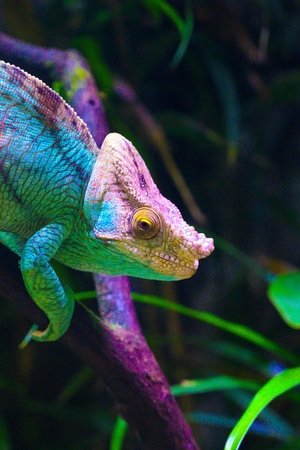
Madagascar, paradis des caméléons
David Attenborough returns to the island of Madagascar on a very personal quest. In 1960 he visited the island to film one of his first ever wildlife series, Zoo Quest. Whilst he was there, he acquired a giant egg. It was the egg of an extinct bird known as the 'elephant bird' - the largest bird that ever lived. It has been one of his most treasured possessions ever since. Fifty years older, he now returns to the island to find out more about this amazing creature and to see how the island has changed. Could the elephant bird's fate provide lessons that may help protect Madagascar's remaining wildlife? Using Zoo Quest archive and specially shot location footage, this film follows David as he revisits scenes from his youth and meets people at the front line of wildlife protection. On his return, scientists at Oxford University are able to reveal for the first time how old David's egg actually is - and what that might tell us about the legendary elephant bird.
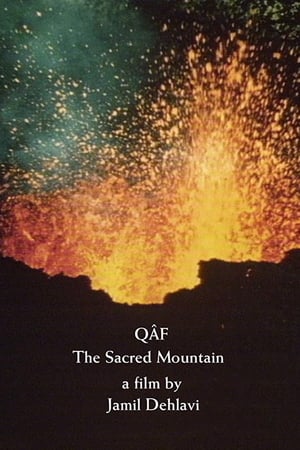
Footage of a volcano eruption in Madagascar set to music by Klaus Schulze, Popol Vuh and Tangerine Dream, and poems by Raficq Abdulla.
In the remote Manambolomaty lakes region, a globally unique ecosystem is home to both the Sakalava indigenous people and the endangered Madagascar Fish eagle. Through close collaboration with the local community, the region has become a stunning success for conservation - even as the rest of Madagascar's nature suffers heavy losses.
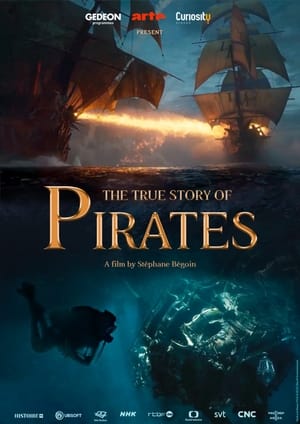
Thanks to new excavations in Mauritius and Madagascar, as well as archival and museum research in France, Spain, England and Canada, a group of international scholars paint a new portrait of the world of piracy in the Indian Ocean.
The story of Madagascar from 1895 to 1975: colonization, war, revolt, independence. Since the movie is a historical drama, the Malagasy government forced the director to modify the film so that it was in accordance with the Socialist Revolutionary ideas.
From 2000 to 2008, China was the leading country for U.S. international adoptions. There are now approximately 70,000 Chinese adoptees being raised in the United States. Ninety-five percent of them are girls. Each year, these girls face new questions regarding their adopted lives and surroundings. This is a film about Chinese adopted girls, their American adoptive families and the paradoxical losses and gains inherent in international adoption. The characters and events in this story will challenge our traditional notions of family, culture and race.
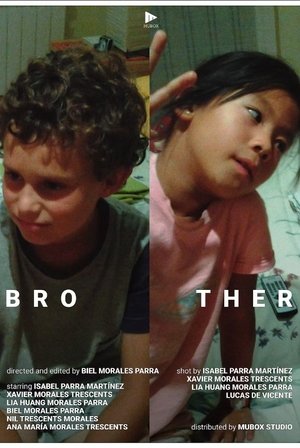
Un germà explores the emotional and physical distance between two brothers, through archival footage and present-day material, the film blends past and present to show the difficulties they face in reconnecting.
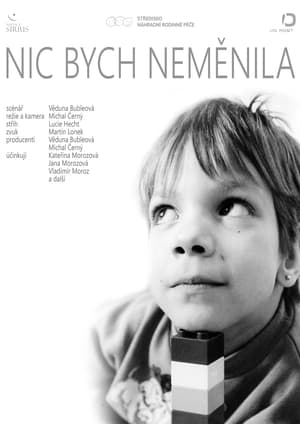
Nic bych neměnila
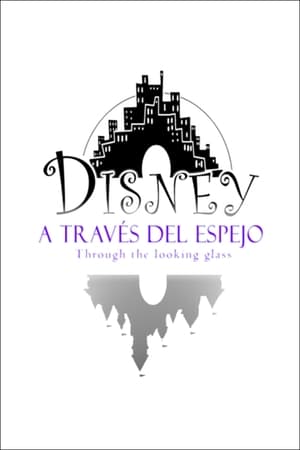
Tito del Amo, a passionate 72-year-old researcher, takes the final step to unravel the enigma about the alleged Spanish origin of the American cartoonist Walt Disney, making the same journey that his supposed mother made to give him up for adoption in Chicago. A journey that begins in Mojácar, Almería, Spain, and ends in New York. An exciting adventure, like Alicia's through the looking glass, to discover what is truth and what is not, with an unexpected result.
On March 29, 1947, peasants armed with sticks and knives attacked the French garrisons in Madagascar. The revolt would end twenty months later with the death of the last insurgents, shot down by the expeditionary force. France, accustomed to memory lapses, knew nothing of this insurrection and its trail of torture and abuses. In Madagascar, well after independence, the events of 1947 were never discussed. For more than a generation, parents refused to speak of them to their children. It wasn't until the 1980s that the silence was broken.
While rummaging through dozens of boxes of family photos, films and papers that he has inherited, a man in his seventies, who knowingly had been adopted at birth finds the official papers of his adoption. At that point, in his life, he decides to try to find out his origins and where exactly he came from. But a surprise is waiting. By accident, he learns that he has a sister who lives in England who shares the same father. Amazingly enough, he learns that the old man is still alive. This film the story of this unexpected event and how to always discover the truth.
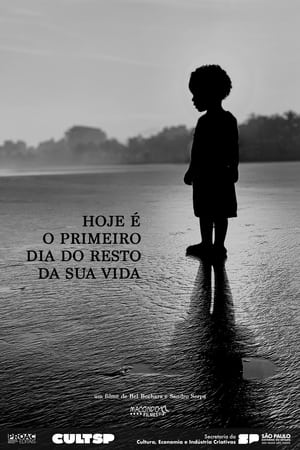
During the pandemic, living under an extreme right-wing government, filmmakers Bel Bechara and Sandro Serpa receive the news that would change their lives: there was a baby to be adopted.