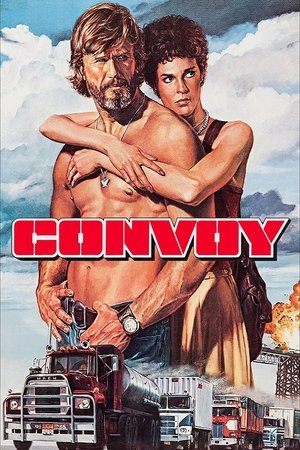
Trucker Rubber Duck and his buddies Pig Pen, Widow Woman and Spider Mike use their CB radios to warn one another of the presence of cops. But conniving Sheriff Wallace is hip to the truckers' tactics, and begins tricking the drivers through his own CB broadcasts. Facing constant harassment from the law, Rubber Duck and his pals use their radios to coordinate a vast convoy and rule the road.
During the holidays, a woman with amnesia catches a ride with her handsome nurse to investigate the only clue to her identity: a newspaper clipping for a Christmas Festival with a cryptic invitation.
A spirited young bride-to-be living with her single mother on a small Greek island secretly invites three of her mother's ex-boyfriends in hope of finding her biological father to walk her down the aisle.
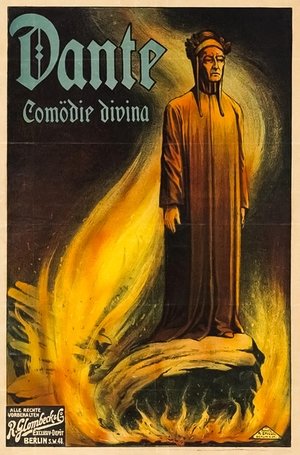
A two-reel adaptation of Dante Alighieri's Inferno from the Divine Comedy by Helios Film. It is less well-known than the five-reel feature produced the same year by Milano Films, but it was released earlier in 1911.
Dikkertje Dap was born on the same day as Raf the giraffe. Dikkertje can often be found at the zoo, because Raf is his best friend. They are inseparable, until Dikkertje goes to school for the first time and finds out giraffes can’t go to school. Dikkertje dearly misses Raf, but also experiences exciting new things. He even makes a new friend: Yous. Raf misses Dikkertje too. So Dikkertje devises a plan to bring the giraffe to school and introduce his two friends to each other.
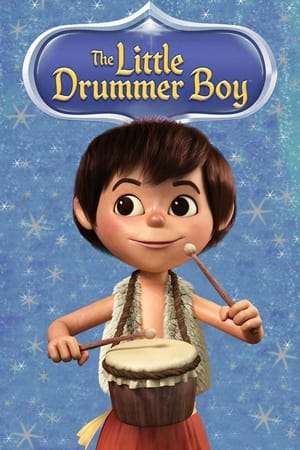
After being kidnapped and escaping, young drummer boy Aaron searches for his camel and finds him in the Nativity of the Baby Jesus. Aaron gives Baby Jesus the only gift he has, a song on his drum.
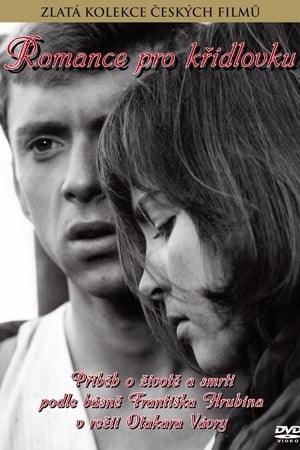
A lyrical story about first love, death and disappointment, based on a poem of the same title.
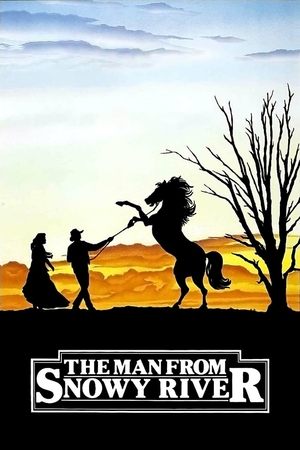
Jim Craig has lived his first 18 years in the mountains of Australia on his father's farm. The death of his father forces him to go to the lowlands to earn enough money to get the farm back on its feet.
A magician who has been turned into a raven turns to a former sorcerer for help.
Siegfried, son of King Siegmund of Xanten, travels to Worms, capital of the Burgundian kingdom, to ask King Gunther for the hand of his sister, the beautiful Kriemhild.
When Kriemhild, thirsty for revenge, marries to Etzel, king of the Huns, she invites King Gunther and his court to visit them, intending to finally take the life of the man responsible of her disgrace.
Illustration of the ballad of the same name by Karel Jaromír Erben.
When they suddenly lose their parents, rival siblings lan and Uta must set aside their dreams to help each other navigate their grief.
After her sister leaves home, Tari fights to protect her mother from her father's abuse and joins a support group where she meets a new lifelong friend.
Based on the famous Thai epic poem, Kun Pan is the magical and tragic love story of Kun Pan's life. A jealous king sends Kun Pan to war believing he could win his beautiful wife, while Kun Pan dies on the battlefield. After a long time passes, the wife believes Kun Pan is really dead and agrees to marry the king. However, one day Kun Pan returns.
In 1948, aspiring songwriter Tony works as a bar pianist; he meets aspiring star Lola, and is immediately smitten. At Manhattan's Copacabana lounge, they both start finding fame. However, fate steps in and she is swept to Havana to work in a splashy nightclub act where she is convinced she will find her stardom. Instead, she finds Rico, a suave gangster and the club owner.
An old, broken morin khurr (horse head fiddle) compels renowned Mongolian singer Urna Chahar Tugchi to take a road journey to Ulan Bator and the steppes of Mongolia.
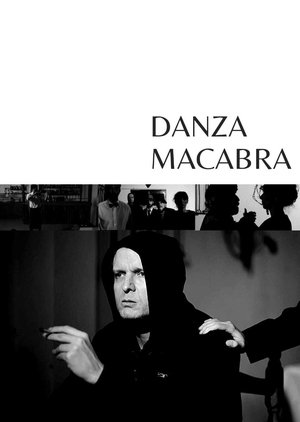
Anthology film from three European directors based on stories by Edgar Allan Poe: a cruel countess haunted by a ghostly horse, a sadistic young man haunted by his double, and an alcoholic actor haunted by the Devil.
Set in sultry 1950s Mississippi, two teenagers grapple with surging hormones and the enticing promise of love, unknowing of the tragedy that looms ahead.
La Araucana is a Chilean film based on an epic poem in Spanish about the Spanish conquest of Chile, by Alonso de Ercilla; it is also known in English as The Araucaniad. It is considered the national epic of the Kingdom of Chile and one of the most important works of the Spanish Golden Age