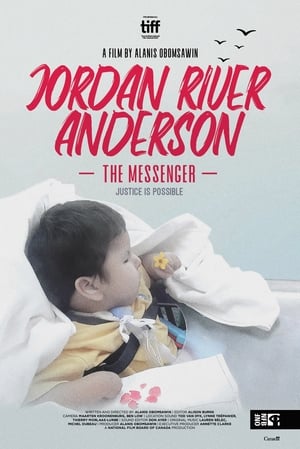
The story of a young boy forced to spend all five years of his short life in hospital while the federal and provincial governments argued over which was responsible for his care, as well as the long struggle of Indigenous activists to force the Canadian government to enforce “Jordan’s Principle” — the promise that no First Nations children would experience inequitable access to government-funded services again.
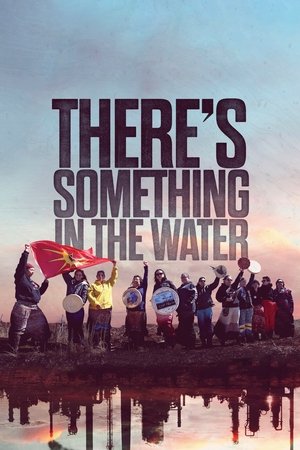
Elliot Page brings attention to the injustices and injuries caused by environmental racism in his home province, in this urgent documentary on Indigenous and African Nova Scotian women fighting to protect their communities, their land, and their futures.
An unconventional, tone-shifting travelogue that stitches together nations of the former Yugoslavia through chance encounters, 1970s rock music, architecture, and inventive editing, Ryan Ferko’s Hrvoji, Look at You From the Tower locates traces of the past in an increasingly fractured present.
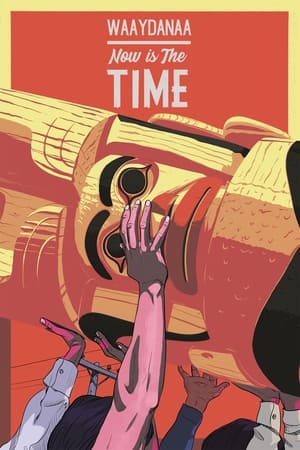
When internationally renowned Haida carver Robert Davidson was only 22 years old, he carved the first new totem pole on British Columbia’s Haida Gwaii in almost a century. On the 50th anniversary of the pole’s raising, Haida filmmaker Christopher Auchter steps easily through history to revisit that day in August 1969, when the entire village of Old Massett gathered to celebrate the event that would signal the rebirth of the Haida spirit.
In 1968, Billy and Antoinette Edwards participated in a landmark documentary that would intimately observe their turbulent relationship. Over 50 years later, their son Bogart sat down to view and discuss the resulting film, A Married Couple.
In recent years, more than 2,500 books have been removed from school districts around the US, labeled as banned, restricted, or challenged, and made unavailable to millions of students. By no accident, the themes targeted are the usual scapegoats of the American Right—LGBTQ+ issues, Black History, and women’s empowerment—impeding the power of future generations to develop their own thoughts and opinions on critical social issues. By weaving together a lyrical montage of young readers and authors, THE ABCs OF BOOK BANNING reveals the voices of the impacted parties, and inspires hope for the future through the profound insights of inquisitive youthful minds.
Golden Globe - Kanada - Der Osten
"Reel Resilience" chronicles the journey of two determined immigrant filmmakers navigating the challenges of breaking into the Canadian film industry. Through triumphs and setbacks, they unveil the transformative power of resilience, emphasizing the profound impact of networking and unwavering perseverance on their quest in pursuing their cinematic dreams on unfamiliar shores.
In 1986, Billy Joel released the album titled The Bridge on July 29th on Columbia Records. Go behind the scenes with Billy and learn about the songwriting and recording process behind the album.
Madureira: UM DIA INFINITO
Hunting Season deals with the wave of homosexual murders that plagued São Paulo and Rio de Janeiro in the 1980s. With street statements and cultural and artistic figures such, such as Zé Celso, Jorge Mautner, Roberto Piva and others.
"Maravich's 68" is a documentary short that revisits the NBA legend Pete Maravich and his 68-point performance on February 25th, 1977. It includes play-by-play breakdowns, era-inspired editing, and retrospective discussion about this special night in NBA history.
German iconoclast filmmaker and gay-rights activist Rosa vonPraunheim examines his own life and career in the documentary Phooey Rosa! With a quickly paced editing style, the film is a mix of personal banter, candid interviews, and clips from his filmography. It also includes footage from his early film Bed Sausage to his later work Neurosia. At the age of 60, vonPraunheim reveals intimate details about his past relationships and his childhood growing up after WWII. He also implicates some of his friends and inspirations, including Luzi Kryn and Rainer Kranach.
A short, sharp, shock of a documentary detailing treatments for hysteria in Victorian Britain including clitoridectomy and genital massage. Not for the faint-hearted!
Family and friends pay tribute to the funnyman, who was one of Britain's best-loved stars of stage, TV and film for more than 50 years - and also became a cult figure in Albania, where his films were ruled to be acceptable entertainment during the country's long years of isolation during the Cold War. Including contributions by Norman's son Nick, singer Vera Lynn and actress Honor Blackman.
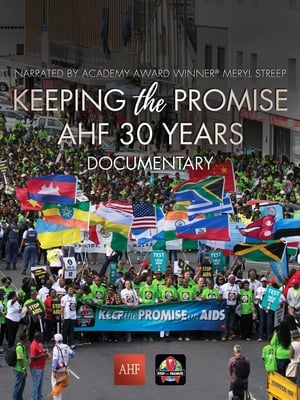
Through interviews with key AIDS Healthcare Foundation (AHF) stakeholders from over the years coupled with archival video footage culled from AHF's 30 years of advocacy, care and activism, 'Keeping the Promise' tells a compelling story of AHF's history while offering a glimpse of, and road map to its future.
The lives of the people of Malta and their endurance under the trials of the Second World War are displayed in this documentary short film.
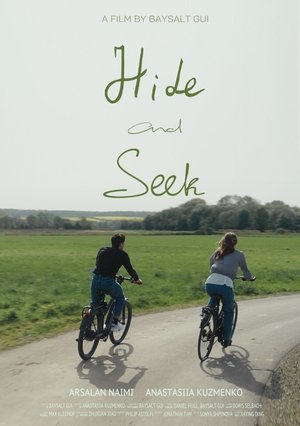
This documentary follows two long-lost Ukrainian friends, Arsalan and Nastya, as they reconnect in Germany after russia's full-scale invasion against Ukraine. Arsalan, an actor now in Frankfurt after time in a refugee camp, and Nastya, journalist and producer who stayed in Kyiv, reflect on the divergent paths their lives have taken due to the war. Through their conversations and therapy sessions, the film explores themes of displacement, identity, and the emotional impact of war on youth.
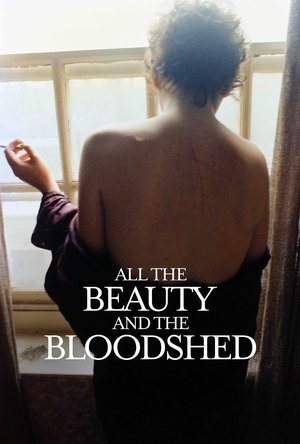
The life of internationally renowned artist and activist Nan Goldin is told through her slideshows, intimate interviews, ground-breaking photography, and rare footage of her personal fight to hold the Sackler family accountable for the overdose crisis.
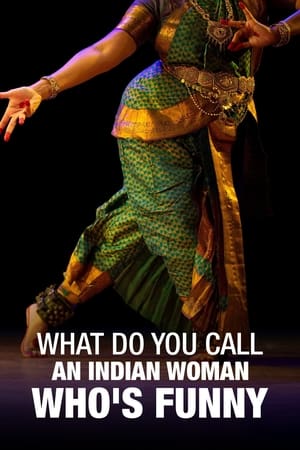
What do you call an Indian woman who's funny in 20th Century Britain? A British performer? A Black comedienne? An enigma? This humorous and comedic documentary, brings the laughs and dreams of four Indian women cabaret performers while posing the questions: What is comedy and who defines it? Is it culturally specific, or can anyone enjoy the joke? Who makes it into the mainstream and why? Does comedy always have to come from a white perspective in Britain to be taken seriously? What -- ultimately, do you call a funny Indian woman?