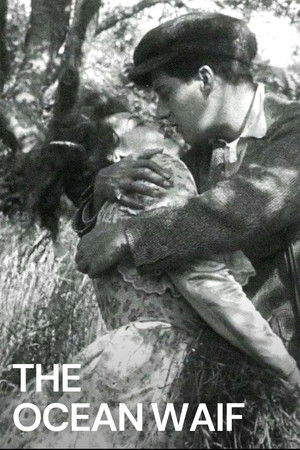
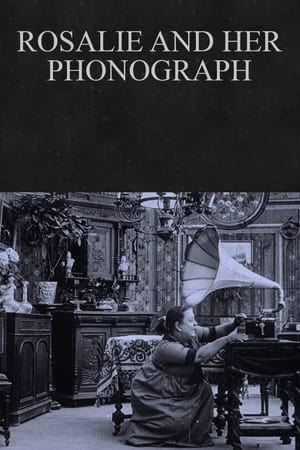
The just-out-of-college, effete son of a no-nonsense steamboat captain comes to visit his father whom he's not seen since he was a child.
A butterfly collector unwittingly wanders into an Indian encampment while chasing a butterfly, but the tribe has resolved to kill the first white man who enters their encampment because white oil tycoons are trying to force them from their land.
A boy puts glue in his brother's moustache lotion.
A silent amateur comedy about a Lebanese immigrant who returns home after trying his luck in the United States of America.
Behind-the-scenes footage, rare screen tests and insightful interviews highlight this engrossing two-hour look at one of Hollywood's greatest dream factories. Such film luminaries as Tom Hanks, William Friedkin, George Lucas, Oliver Stone and Robert Altman discuss their work at the studio. Clips include scenes from Butch Cassidy and the Sundance Kid, Patton, Young Frankenstein, Star Wars, Alien, Big, Home Alone, Die Hard and dozens more.
When a master leaves for work, a dog named River has to decide what to do with her time...
A cameraman wanders around with a camera slung over his shoulder, documenting urban life with dazzling inventiveness.
Life on the breadline in the 1930s was hard enough, but times were desperate when you fell beneath it. Hunger marches organised by the National Unemployed Workers' Movement drew attention to the cause, but this left-wing collective picked up a cine-camera. The fictional story at the heart of the film is somewhat melodramatic, but the authentic surroundings give its message realism and weight.
Josh doesn't like the way things go at home and decides to quit and get out. Later, his wife gets what purports to be his farewell letter, which is intended to lead her to believe he has committed suicide. He, however, goes to New York to have a good time, and he does, "by gosh." The wife, believing herself a widow, makes a trip to New York with her admirer. Well, you may guess the rest.
Lezioni di Cinema di Paolo Mereghetti
Attracted by his wealth, avaricious Germaine marries D'Artois, then leaves him for a more sophisticated man. D'Artois retaliates by moving to the city and learning the proper social graces. His new life style proves to be too expensive for him, and at the end he is left with nothing but one suit of evening clothes and his now contrite wife.
At an upper class golf resort, a tramp discovers he's the lookalike of a rich man with a beautiful, unhappy wife.
Also known as The Operation of Dr. Alejandro Posadas. Filmed with early orthochromatic film in the Hospital de Clínicas de la Ciudad in Buenos Aires.
It's the oldest Brazilian movie that survived and the film that captured the first car race in Brazil.
Lucien Bull was a pioneer in chronophotography. Chronophotography is defined as "a set of photographs of a moving object, taken for the purpose of recording and exhibiting successive phases of motion."
A documentary on the 1928 Olympic Games in Amsterdam. Made by Istituto Luce, there is an understandable focus on Italian athletes, but it is the first Olympic documentary that describes the techniques of certain events.
At a dinner party, a hostess serves her guests a dish made using meat from a bull. While most of them enjoy the meal, one man has a strange reaction: Taking a set of horns off the wall, he attaches them to his head and sets off on a rampage. After destroying the house and terrifying his hostess, her guests, maid, and neighbours, he takes to the streets. The police sends a telegraph to Spain asking for help, and in response a parade of matadors arrive in Paris, ready to slay the crazy beast-man. However, soon after the man-bull fight begins, the errant guest comes to his senses and is taken into custody by waiting policemen.
On a market day in Kernascleden, two Breton women exchange their hair for a few coins. The hair becomes hairpieces. Last scene, an elegant Parisian removes her hat and exposes her generous wig skillfully coiffed.
The scene of the drama is a block of modern flats. Many of the residents are away at a dance, and the janitor and his staff decide upon a jollification of their own. They invite their friends to a fine high tea. Everybody is having a fine time, and their spirits are running high. We are now taken to the outside of the hall door, and watch with amusement the frantic pounding and bell ringing of the residents returning from their evening engagements and seeking admission to their apartments. The gay gathering inside are too busy with their own pleasure to heed the angry crowd outdoors. A policeman is called, but all to no purpose, and the tenants are all taken to the station for quarters for the night. Returning to the janitor's quarters we see that the jollifications have been concluded and the guests are all departing. The superior officer at the station concludes to make another effort to gain admittance in the building and, with the tenants at his heels, he approaches the flats.
It is a dramatic film, with its colossal explosion and smouldering remains. Within seconds of the chimney's collapse, crowds swarm in to inspect the site; issues of the crowd's health and safety are clearly not a concern, as people smile, wave and salute the camera.