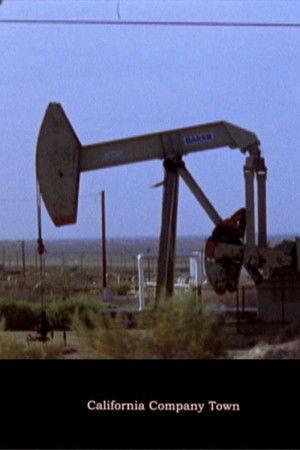
Lee Anne Schmitt explores California's landscape and past to document the history of one-time boom towns built and abandoned by the industries that necessitated their creation. Sold as a limitless land expansive with free opportunity, California was actually, from its onset, fissured by the interwoven needs of private and public interests. Schmitt's film covers various locations through time, as the major industries of the early 20th century (mining, lumber, oil) give way to the military, eventually leading to multinational corporations, and the use of small towns as satellites for growing urban metropolises.
An investigation into the unfolding history of nuclear testing, uranium mining, and nuclear waste disposal on indigenous lands in the US. It raises the voices of those who witnessed and experienced the consequences of nuclear colonialism and those who still resist.
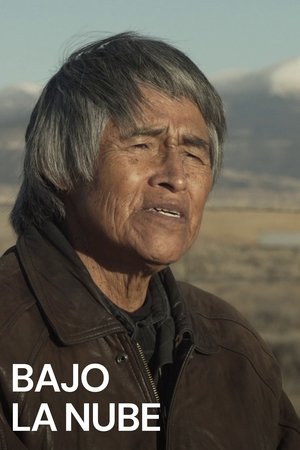
A new uranium mill -- the first in the U.S. in 30 years -- would re-connect the economically devastated rural mining community of Naturita, Colorado, to its proud history supplying the material for the first atomic bomb. Some view it as a greener energy source freeing America from its dependence on foreign oil, while others worry about the severe health and environmental consequences of the last uranium boom.
Documentary about the work of members of the mining rescue station in Handlová, Slovakia.
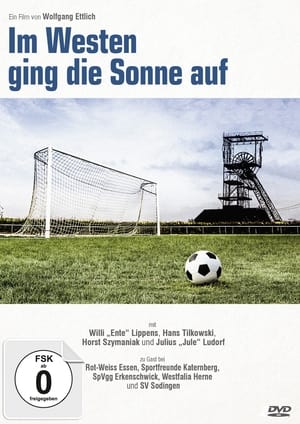
The mining industry, which always had been “sponsor” and “financier” of the soccer clubs in the Ruhr valley during the post-war period, doesn’t exist anymore nowadays in that form. Many of the once glorious clubs which dominated German soccer until the 1970s faded into obscurity without financial backers. The documentary “Im Westen ging die Sonne auf" ("The sun had risen in the west“) shows the history of the “Revierfußball” from after the second World War until the decline of the mining industry and recalls legendary players and forgotten clubs. The film shows especially how deeply rooted the sport was back then in the entire lifestyle of the Ruhr area - in private life as well as in society - and how structural change also left clearly visible marks in sports. With pictures from back then, interviews with contemporary witnesses, and footage of original locations nowadays, a contemporary document of German post-war history, by taking the example of soccer, has been created.
Documents the cultural and ecological impacts of coal stripmining, uranium mining, and oil shale development in Utah, Colorado, New Mexico, and Arizona – homeland of the Hopi and Navajo.
Ten years after an enormous open-pit gold mine began operations in Malartic, the hoped-for economic miracle is nothing more than a mirage. Filmmaker Nicolas Paquet explores the glaring contrast between the town’s decline and the wealth of the mining company, along with the mechanisms of an opaque decision-making system in which ordinary people have little say. Part anthropological study, part investigation into the corridors of power, Malartic addresses the fundamental issue of sustainable and fair land management.
Documentary about the making of a pair of skis using old methods, from the scouting for the perfect tree to finished product.
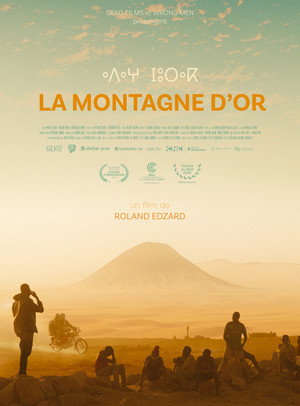
Gold fever has gripped northern Niger. In search of the precious metal, and despite the risks, an army of researchers has invaded the sites of interest. While camps are set up and dismantled as rumours of new leads spread, Moussa and his companions are banking on the Ikazan vein.
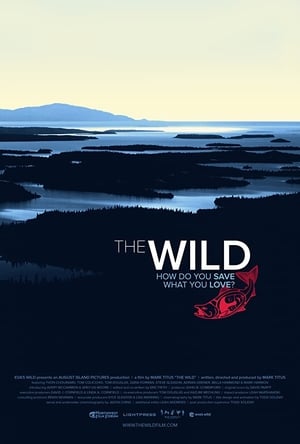
Newly into addiction recovery, an urgent threat emerges to spur filmmaker, Mark Titus back to the Alaskan wilderness - where the people of Bristol Bay and the world's last intact wild salmon runs face devastation if a massive copper mine is constructed.
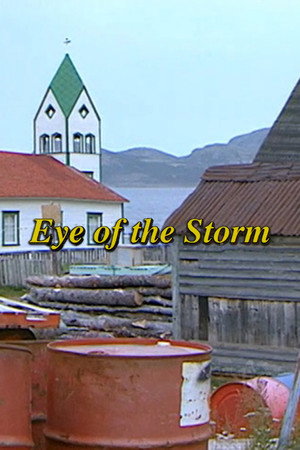
A documentary about Nain, a Labrador Inuit community located near the world's largest nickel and copper deposits. As commercial mining interests prepare to exploit the resources, local residents consider the potential environmental and cultural impact. Meanwhile longstanding Aboriginal land claims are unsettled.
Documentary about a Finnish mining company struggling with production and environmental management problems.
In Nova Lima, gold arrived before the city itself. Fragments of past and future intertwine in the present of this story that begins in 1834 and shows no sign of ending.
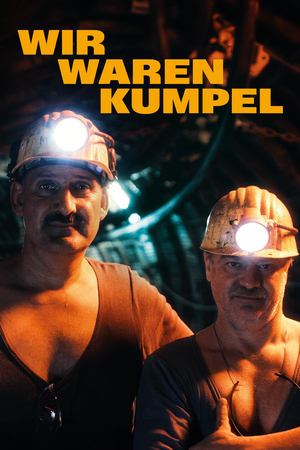
Black dust, shrill metallic noises, dark tunnels, muscular bodies – all that is the past. At the end of 2018, extraction of coal throughout Germany came to an end. That same year, the voices of the emerging climate protest movement Fridays for Future grew louder. Against the backdrop of these media and socio-political events, the film follows five miners on their tragic, humorous and heartwarming search for a new role in life.
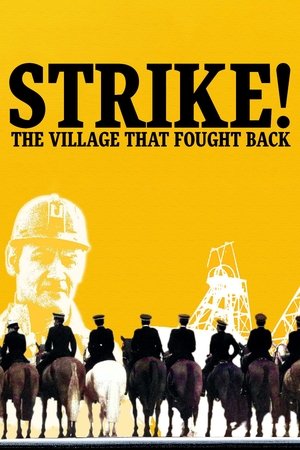
The inside story of Polmaise Colliery and the miners who were the first to walk out and the last to go back to work during the miners' strike.
Eighth Wonder of the Industrial World
In July of 2019 the Blackjewel coal company announced it was declaring bankruptcy. Miners were told to stop working mid shift, and their last paychecks bounced. The miners retaliated by blocking a train full of coal, camping out on the coal tracks for weeks. Queer regional organizers made their way to the encampment to support the miners. The encampment became a place for community gathering and mutual aid distribution. Sarah Moyer, a film maker living in Kentucky, also made their way to the encampment and filmed this short documentary on the blockade. (Summary from Queer Appalachia)
An insight into the lives of the miners who search for Australia’s famous black opals.
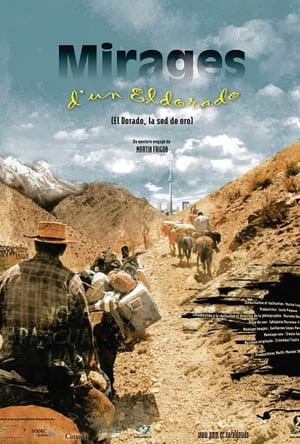
Mirage of El Dorado leads us into the mountains of northern Chile, where the devastating operations of Canadian mining companies threaten a fragile ecosystem in one of the driest parts of the globe. This « political cowboy flick» follows the pitched battle between a farming community in the Huasco valley and Canada’s mining giant Barrick Gold with its sidekick Noranda (now part of the Suisse corporation Xstrata). It’s a battle fought high in the Andes cordillera where farmers and local representatives fear the ravages of open pit mining operations in a place where a fragile system of glaciers feeds the rivers that flow into the farmlands built out of the advancing Atacama desert.
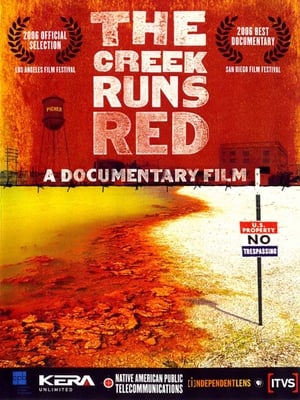
The town of Picher, Oklahoma, was once home to the world's richest lead and zinc mining field. After decades of mining, towering piles of mine waste covered 25,000 acres, devastating Quapaw tribal lands and local economies. Acid mine water burned nearby Tar Creek and stained it red. Despite these environmental hazards, many people in Picher desperately wished to stay and revitalize their town.