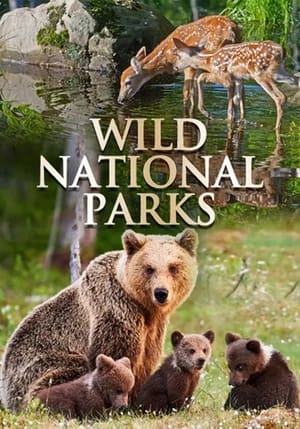
This video examines the grizzly bear, one of nature's greatest predators. It is part of a multi-volume Time Warner series that markets the ferocious, killing aspects of various wild animals.
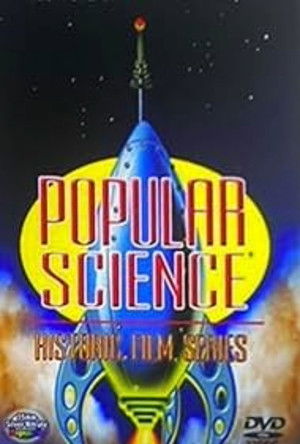
Gigantic machine combs beach in southern California and retrieves articles lost in sand; synthetic gems made by new chemical process; aviation school holds classes in grounded transport plane; how seaweed is processed for scientific use.
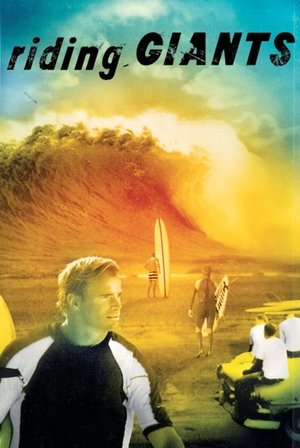
Riding Giants is story about big wave surfers who have become heroes and legends in their sport. Directed by the skateboard guru Stacy Peralta.
Follows the story of "Grizzly Man" Timothy Treadwell and what the thirteen summers in a National Park in Alaska were like in his attempt to protect the grizzly bears. The film is full of unique images and a look into the spirit of a man who sacrificed himself for nature.
For decades, Barbara Dane lent her stellar singing voice to social-justice movements in the Bay Area and beyond, garnering an impressive FBI file along the way. Deeply respected by fellow luminaries in folk, blues and jazz, Dane built a far-reaching legacy with music, activism, and love. As Maureen Gosling’s celebratory portrait reveals, early solidarity with those suffering racial and economic injustice sparked Dane’s passion to use her talent to sustain marginalized people. Rather than chase stardom, she followed her own maternal instincts to root herself and her family among generations of activist performers. Bonnie Raitt, Jane Fonda and other notables attest to Dane’s unique way of shaping and being shaped by tumultuous social revolutions from the 1950s on. Nearing 90, Dane triumphantly tours with piano virtuoso Tammy Hall to celebrate a life of staying awake and connected, true to her ideals. One star among many illuminates so much.
Explore the 1928 collapse of the St. Francis Dam, the second deadliest disaster in California history. A colossal engineering and human failure, the dam was built by William Mulholland, a self-taught engineer who ensured the growth of Los Angeles by bringing the city water via aqueduct. The catastrophe killed more than 400 people and destroyed millions of dollars of property.
"I especially hope to inspire young women, because I often feel like so much emphasis is put on how beautiful you are, and how thin you are, and not a lot of emphasis is put on what you can do and how smart you are. I'd like to change the emphasis of what's important when looking at a woman." Filmed in San Francisco in 2000, Margaret Kilgallen (1967-2001) discusses the female figures she incorporated into many of her paintings and graffiti tags. Loosely based on women she discovered while listening to folk records, watching buck dance videos, or reading about the history of swimming, Kilgallen painted her heroines to inspire others and to change how society looks at women. Three of Kilgallen's heroines—Matokie Slaughter, Algia Mae Hinton, and Fanny Durack—are shown and heard through archival recordings. Kilgallen is shown tagging train cars with her husband, artist Barry McGee, in a Bay Area rail yard and painting in her studio at UC Berkeley (source: Art21).
At Arcata, California, testing technology for landing planes in fog. Also: a high-tech barber shop in Westwood Village, California; manufacture of precision steel gauge blocks in Eskilstuna, Sweden.
1967: Two of the world's best climbers, Yvon Chouinard and Royal Robbins, tackle the west face of Sentinel Rock, an iconic 2,100-meter granite peak located in Yosemite National Park, considered one of the most difficult in the world. The film's atmosphere is immersive, driven by a sober narrative that highlights the intimate relationship between man and the wall. The technical difficulty of the route, the prolonged physical effort, and the isolation reinforce the heroic dimension of this ascent. The documentary also reveals the essential solidarity between the climbers: each progression requires rigor, inventiveness, and total trust in both the equipment and the partner. This film is considered a benchmark in the history of mountain cinema. It testifies to the pioneering spirit of the era and the evolution of climbing techniques, perfectly illustrating the transition to a more athletic and thoughtful approach to large rock faces.
The grizzly has roamed North America for nearly a million years. And now, in the last century and a half, he has come dangerously close to extinction. Frank and John Craighead have tracked this extraordinary creature.
A documentary exploring the importance of revival cinema and 35mm exhibition - seen through the lens of the patrons of the New Beverly Cinema - a unique and independent revival cinema in Los Angeles.
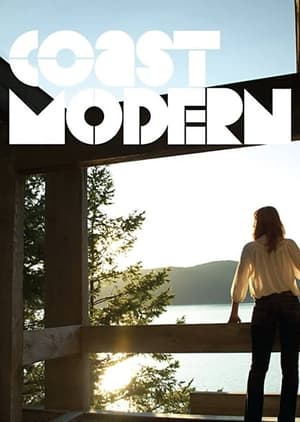
Explorations in 21st Century American Architecture Series: Ray Kappe has long been a cult figure in the architectural scene in and around Los Angeles. In 1972, he founded the influential, avant garde Southern California Institute of Architecture (SCI-ARC), where many of the younger-generation architects have studied or taught.
An aspiring photojournalist takes a trip to Julian, CA to learn about the history of two wolf species and what caused their population decline throughout history.
George Carlin's first ever comedy special, filmed live at the University of Southern California. Here, he talks about monopoly, flying on planes, random thoughts, walking, and other things.
While California is going bankrupt, one business is booming. "How Weed Won the West" is the story of the growing medical cannabis / marijuana industry in the greater Los Angeles area, with over 700 dispensaries doling out the buds. As a treatment for a wide range of conditions, cannabis is quickly proving itself as a healthier natural alternative to many prescription drugs.
Choppers, let's ride
A wordless portrait of sculptor Jessica Jackson Hutchins shows us the artist in the process of transforming clay into uncanny forms.
This moving, family documentary goes behind the scenes at The Big Bear Alpine Zoo, which is only one of two high elevation, Alpine Zoos in the United States.
When a new murderer in town travels through the phone, Detective Rick finds that all signs point to the culprit being a bear. But bears can't use phones. Can they?
Harvey Milk was an outspoken human rights activist and one of the first openly gay U.S. politicians elected to public office; even after his assassination in 1978, he continues to inspire disenfranchised people around the world.