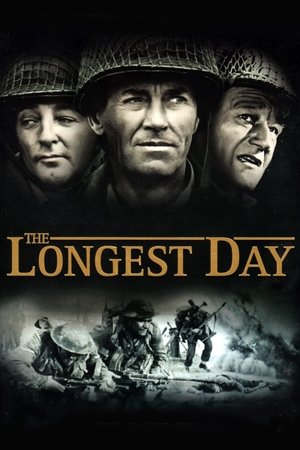
The retelling of June 6, 1944, from the perspectives of the Germans, US, British, Canadians, and the Free French. Marshall Erwin Rommel, touring the defenses being established as part of the Reich's Atlantic Wall, notes to his officers that when the Allied invasion comes they must be stopped on the beach. "For the Allies as well as the Germans, it will be the longest day"
Based on actual events that occurred in Hokkaido, Japan, 1915. Rimeinzu: Utsukushiki yuusha-tachi tells the story of a group of bear hunters that are tracking a 900 pound brown bear nicknamed Red Spots that is terrorising the area. It attacks and kills men, but it feasts only on women.
Several years after leaving the orphanage, to which her father never returned for her, Gabrielle Chanel finds herself working in a provincial bar. She's both a seamstress for the performers and a singer, earning the nickname Coco from the song she sings nightly with her sister. A liaison with Baron Balsan gives her an entree into French society and a chance to develop her gift for designing.
Maria Callas, the world's greatest opera singer, lives the last days of her life in 1970s Paris, as she confronts her identity and life.
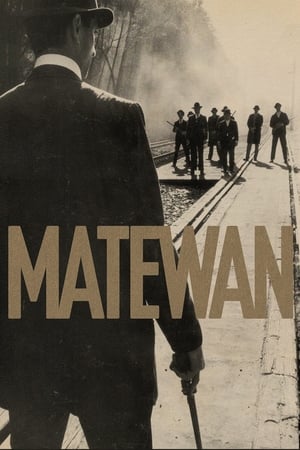
Filmed in the coal country of West Virginia, "Matewan" celebrates labor organizing in the context of a 1920s work stoppage. Union organizer, Joe Kenehan, a scab named "Few Clothes" Johnson and a sympathetic mayor and police chief heroically fight the power represented by a coal company and Matewan's vested interests so that justice and workers' rights need not take a back seat to squalid working conditions, exploitation and the bottom line.
Kenneth Bianchi is a security guard whose attempts to become a police officer are repeatedly thwarted. He moves to California to live with his cousin Angelo and dates a string of women, becoming increasingly preoccupied with sex. Eventually the cousins decide to start an escort agency. After violently killing a prostitute they thought had betrayed them, Kenneth and Angelo begin committing a series of crimes that become a media sensation.
A focus on one of Turkey’s most bloody political massacres. In 1977, two men in a hotel room over a period of two days eat, shower, watch a soccer match on TV, stare at a painting on the wall and daydream. These two men are killing time before they cause the deaths of 34 people.
In post-World War I Winnipeg, a Ukrainian immigrant and a Jewish woman get caught up in a labour strike.
The true story of Dr. Takashi Nagai, scientific pioneer, war hero, Christian convert and survivor of the atomic bombing of Nagasaki, who worked tirelessly in his efforts to heal the wounds of a country utterly devastated by war.
On 22 July 2011, neo-Nazi terrorist Anders Behring Breivik murdered 77 young people attending a Labour Party Youth Camp on Utøya Island outside of Oslo. This three-part story focuses on the survivors, the political leadership of Norway, and the lawyers involved.
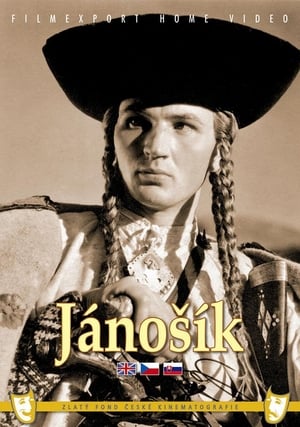
Jánošík has been topic of many Slovak and Polish legends, books and films. According to the legend, he robbed nobles and gave the loot to the poor. The legend were also known in neighboring Silesia, the Margraviate of Moravia and later spread to the Kingdom of Bohemia. The actual robber had little to do with the modern legend, whose content partly reflects the ubiquitous folk myths of a hero taking from the rich and giving to the poor. However, the legend was also shaped in important ways by the activists and writers in the 19th century when Jánošík became the key highwayman character in stories that spread in the north counties of the Kingdom of Hungary (present Slovakia) and among the local Gorals and Polish tourists in the Podhale region north of the Tatras.
Philippe Croizon, a 26-year-old metal worker at Fonderies du Poitou, had no idea that his life would be turned upside down on March 5, 1994. On that day, the young father received three 20,000 V shocks while trying to dismantle the TV antenna hanging from the chimney of his house in Saint-Rémy-sur-Creuse. After two months in a coma, he woke up with all four limbs amputated. Thus began what he calls his "second life", which has enabled him to overcome his disability, meet his partner, Suzanna Sabino, and achieve some incredible sporting feats, including a swim across the English Channel in less than 24 hours.
The life and death of famous Korean singer, Yun Sim-deok in the 1920s.
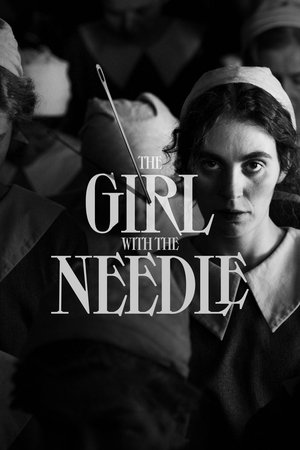
Struggling to survive in post-WWI Copenhagen, a newly unemployed and pregnant young woman is taken in by a charismatic elder to help run an underground adoption agency. The two form an unexpected bond, until a sudden discovery changes everything.
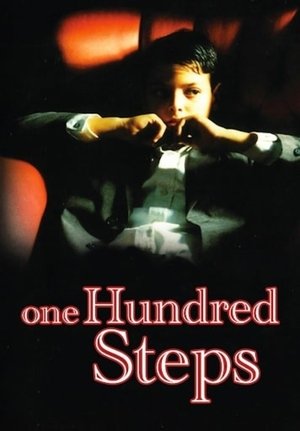
Peppino Impastato is a quick-witted lad growing up in 1970s Sicily. Despite hailing from a family with Mafia ties and living just one hundred steps from the house of local boss Tano Badalamenti, Peppino decides to expose the Mafia by using a pirate radio station to broadcast his political pronouncements in the form of ironic humour.
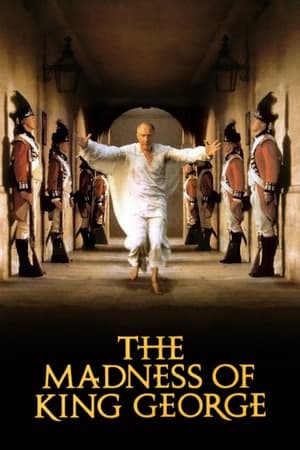
Aging King George III of England is exhibiting signs of madness, a problem little understood in 1788. As the monarch alternates between bouts of confusion and near-violent outbursts of temper, his hapless doctors attempt the ineffectual cures of the day. Meanwhile, Queen Charlotte and Prime Minister William Pitt the Younger attempt to prevent the king's political enemies, led by the Prince of Wales, from usurping the throne.
An elusive serial killer known as the Zodiac terrorizes the San Francisco Bay in the late 1960s, while detectives aim to stop him before he claims more victims. Based on a true story.
Arriving in Chicago, Henry moves in with ex-con acquaintance Otis and starts schooling him in the ways of the serial killer.
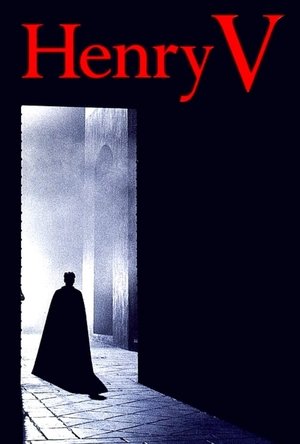
In 1415, in the midst of the Hundred Years' War, the young King Henry V of England embarks on the conquest of France.
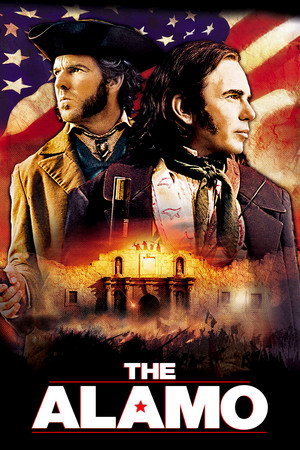
Based on the 1836 standoff between a group of Texan and Tejano men, led by Davy Crockett and Jim Bowie, and Mexican dictator Santa Anna's forces at the Alamo in San Antonio, Texas.