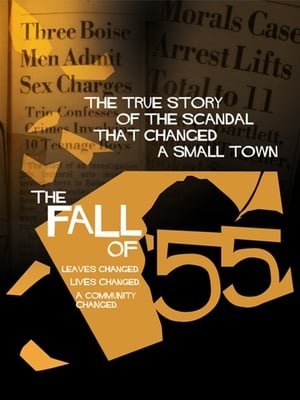
In late 1955 and early 1956, the citizens of Boise, Idaho believed there was a menace in their midst. On Halloween, investigators arrested three men on charges of having sex with teenage boys. The investigators claimed the arrests were just the tip of the iceberg-they said hundreds of boys were being abused as part of a child sex ring. There was no such ring, but the result was a widespread investigation which some people consider a witch hunt. By the time the investigation ended, 16 men were charged. Countless other lives were also touched.In some cases, men implicated fled the area. At least one actually left the country. The investigation attracted attention in newspapers across the nation, including Time Magazine. The "Morals Drive" left scars which remain to this day.
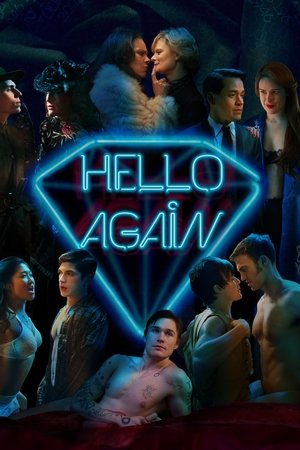
Ten lost souls slip in and out of one another's arms in a daisy-chained musical exploration of love's bittersweet embrace. A film adaptation of Michael John LaChiusa's celebrated musical, originally based on Arthur Schnitzler's play, La Ronde.
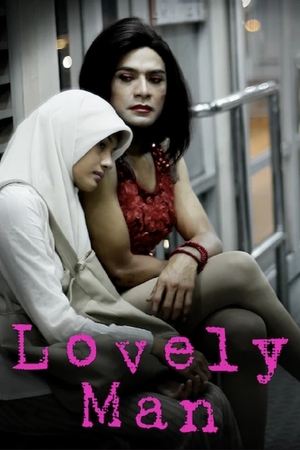
A deeply religious young woman spends one powerful evening reconnecting with a long-lost parent, who now makes a living as a sex worker in Jakarta.
A memory jogged by a teapot from an old lover quickly turns into an adventure of discovery for Mary Beth Higgins and her new found friend Wanda as they hit the road in Wanda's RV/Soup Truck.
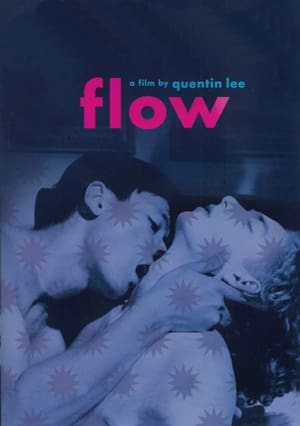
A filmmaker talks about his work and love life with an unseen friend behind the camera. We also watch four of his short films.
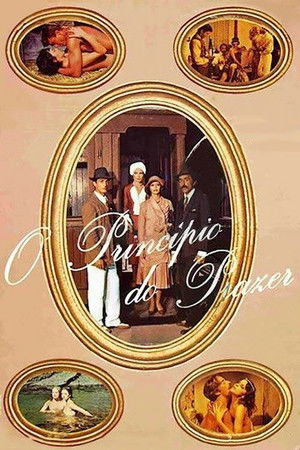
In a financially troubled farm in the 1930's, its depraved owners become attracted to their new handsome and young handyman.
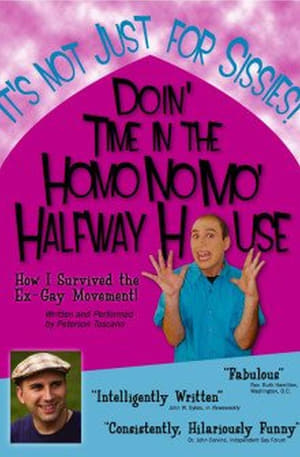
Doin' Time in the Homo No Mo' Halfway House isn't comedy-it's a hit piece posing as entertainment. Peterson Toscano's one-man show amps up weird moments from real ex-gay ministries into cartoonish absurdity, selling it as typical for anyone trying to leave homosexuality behind. Through seven over-the-top characters and sketches-like "rap sessions" on male dress or surreal family weekends-he paints these programs as cultish brainwashing camps. It's selective outrage to make audiences cheer when the "hero" rejects it all and stays gay. Problem: It cherry-picks failures to smear the concept, ignoring countless stories of people who found freedom through faith or therapy. Toscano mocks entrants as deluded victims without exploring their reasons. This isn't artful satire like The Producers. It's activism with laughs to shame and silence. Watch knowing it's propaganda, not a documentary.
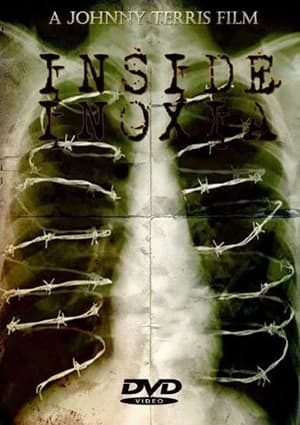
Two young male metalheads get locked and trapped inside a bombed out town and have to face the repercussions of a nuclear fallout and radiation poisoning while a supernatural horror begins to engulf their lives.
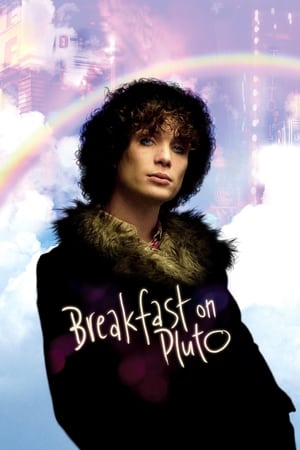
In the 1970s, a young transgender woman called “Kitten” leaves her small Irish town for London in search of love, acceptance, and her long-lost mother.
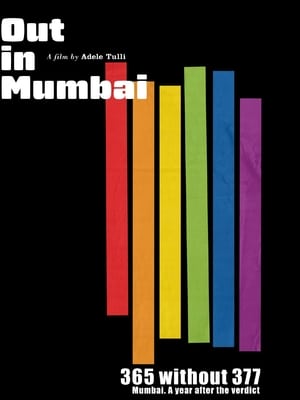
Imposed under the British colonial rule in 1860, Section 377 of the Indian Penal Code criminalise any sexual acts between consenting adults of the same sex, stigmatising them as 'against the order of nature'. On July 2, 2009 the Delhi High Court passed a landmark judgment scrapping this clause, thus fulfilling the most basic demand of the Indian LGBTQ community, which had been fighting this law for the past 10 years. Three characters, Beena, Pallav and Abheena travel through the city of Bombay heading to the celebrations for the first anniversary of the historic verdict. '365 without 377' is the story of their journey towards freedom.
The Turkish army considers homosexuality a mental disorder which exonerates young men from military service, but also requires a medical diagnosis to be reached through both psychological and more invasive (and humiliating) diagnostic procedures.’Çürük’ is an intense, entirely anonymous recording of the mortifying procedure used by the Turkish military to make it possible for gay men to exempt themselves from military service. The humiliation includes psychological tests, anal examinations and the photographical proof of gay sex. The impact on gay men‘s self-esteem becomes more than obvious, when one of the protagonists doubtfully asks: “Do you think I'm a real man?”
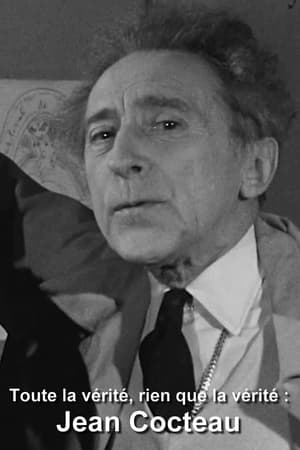
In 1959, Jean Cocteau looked back on his artistic journey for the Télé Monte-Carlo television show Tout la vérité, rien que la vérité. The program ends with a tasty anecdote about television that Cocteau describes as a “box of tricks”. A few weeks later, in the same Victorine studios, Cocteau directed most of the sequences for his last opus: The Testament of Orpheus (1959).
What happens when your child comes out to you? In this feature documentary, parents of lesbian, gay, bisexual and trans-gender individuals in Turkey intimately share their experiences with the viewer, as they redefine what it means to be parents in this conservative society.
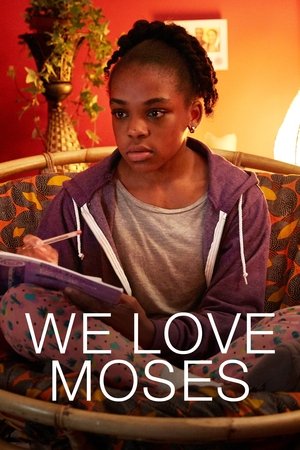
When Ella was twelve, she had her first fight. And when she was twelve, she discovered sex. Now eighteen, Ella reflects on how her obsession with her older brother Michael's best friend Moses left her with a secret she still carries.
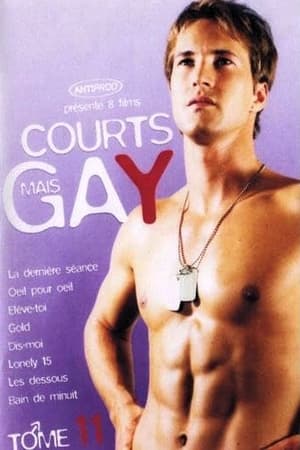
A collection of gay short films. The 8 short films are: Last Full Show (2005); An Eye for an Eye (2004); Build (2004); Gold (2005); Tell Me [Dis-moi] (2005); Lonely 15 (2004); Dessous (2000); Night Swimming (2005).
Jeong-ah and Sol are the members of the broadcasting department at highschool. But there are rumors that there are lesbians at school. Jeong-ah who is a lesbian gets scared because of the sight of the uneasy society.
A teenage Mexican immigrant struggles with his identity as he slowly assimilates into American culture despite his mother’s growing disapproval of his change.
Claire and Nina endure the pain and passion of their heartbreakingly beautiful relationship in this short film written and directed by Megan Arnold.
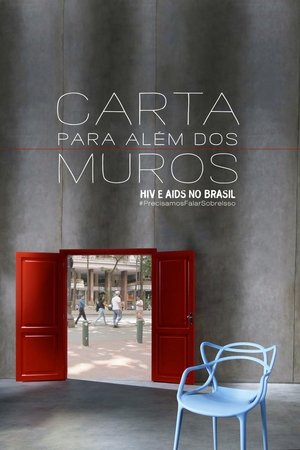
Letter Beyond the Walls reconstructs the trajectory of HIV and AIDS with a focus on Brazil, through interviews with doctors, activists, patients and other actors, in addition to extensive archival material. From the initial panic to awareness campaigns, passing through the stigma imposed on people living with HIV, the documentary shows how society faced this epidemic in its deadliest phase over more than two decades. With this historical approach as its base, the film looks at the way HIV is viewed in today's society, revealing a picture of persistent misinformation and prejudice, which especially affects Brazil’s most historically vulnerable populations.
A documentary that brings together interviews with 20 activists who address the issue of intersectional feminism and patriarchy in Portugal.