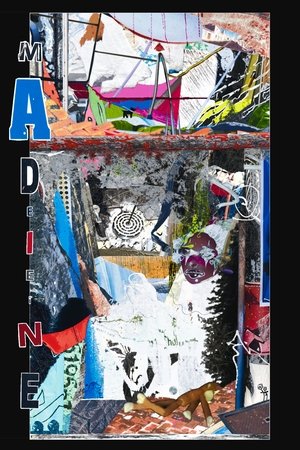
A stop motion/collaged based independent short film plays with the recontextualisation of memories and how time distorts them.
The true story of how businessman Oskar Schindler saved over a thousand Jewish lives from the Nazis while they worked as slaves in his factory during World War II.
The short film captures the memory of an apartment and its surroundings: a young adult man lives his daily life, a journalist interviews a retired novelist who grapples with the idea of the end of the world, and two young boys searching for portals. Three storylines intertwine as the film progresses.
An argument between to felines about if dogs can do flips, backflips and much much more
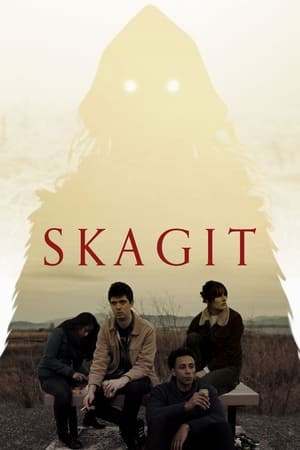
Four friends leave Seattle for a weekend in a remote, rain-soaked corner of Washington State's rustic Skagit Valley. The foreboding October landscape begins to warp their minds, plunging each of them into alternate realities where they must grapple with personal demons, sexual tensions, and a sinister natural world as they claw their way back to sanity.
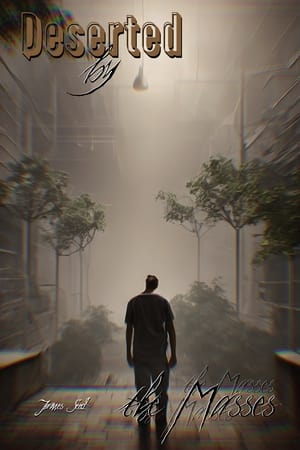
Social media corrupts the mind of a young University student--but can he escape the psychological torment of alienation?
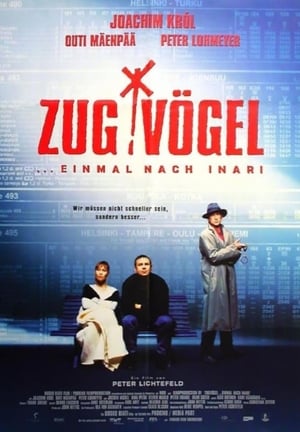
Hannes is a beer truck driver in Dortmund. His biggest dream is to win the first prize at the International Timetable Contest in Inari (Finland). When his new boss cancels his extra holidays to go there, Hans goes mad… On his journey to Finland by train, followed by the police, he meets lot of folks and the love of his life.
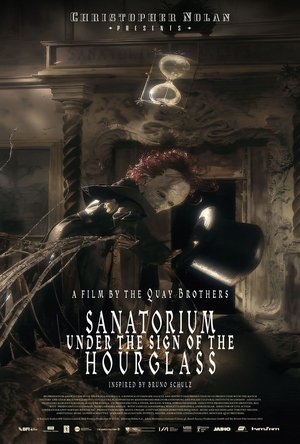
Jozef embarks on a journey via a ghostly train to visit his dying father in a remote Galician sanatorium. Upon arrival, he discovers that the sanatorium exists in a realm where time is distorted—his father's death has not yet occurred, as time here lags behind the outside world by an undefined interval. Jozef's experiences become increasingly fragmented and dreamlike as he confronts various manifestations of his father, each representing different aspects of their relationship and his own psyche.
Women enter and exit a science fiction author's life over the course of a few years after the author loses the woman he considers his one true love.
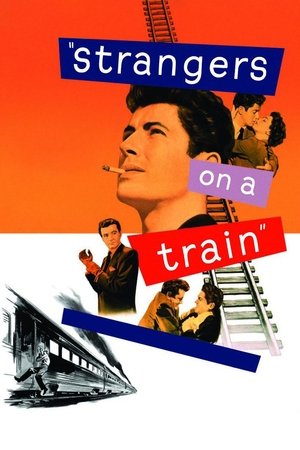
A charming psychopath tries to coerce a tennis star into his theory that two strangers can commit the perfect crime by exchanging murders—each killing the other’s most-hated person.
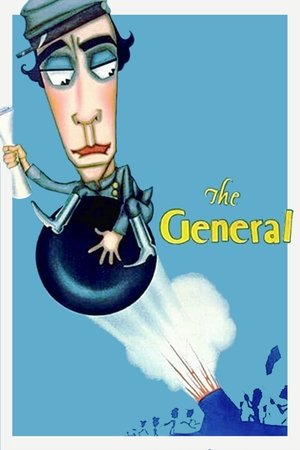
During America’s Civil War, Union spies steal engineer Johnny Gray's beloved locomotive, 'The General'—with Johnnie's lady love aboard an attached boxcar—and he single-handedly must do all in his power to both get The General back and to rescue Annabelle.
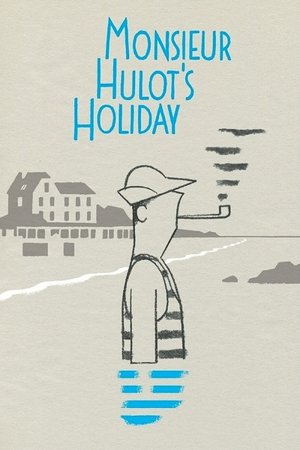
Monsieur Hulot, Jacques Tati’s endearing clown, takes a holiday at a seaside resort, where his presence provokes one catastrophe after another. Tati’s masterpiece of gentle slapstick is a series of effortlessly well-choreographed sight gags involving dogs, boats, and firecrackers; it was the first entry in the Hulot series and the film that launched its maker to international stardom.
On a train headed for England a group of travelers is delayed by an avalanche. Holed up in a hotel in a fictional European country, young Iris befriends elderly Miss Froy. When the train resumes, Iris suffers a bout of unconsciousness and wakes to find the old woman has disappeared. The other passengers ominously deny Miss Froy ever existed, so Iris begins to investigate with another traveler and, as the pair sleuth, romantic sparks fly.
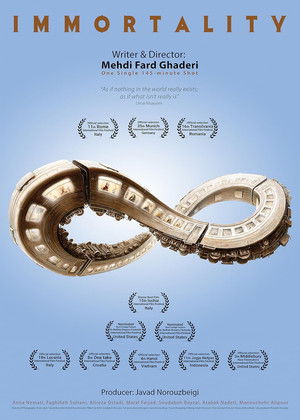
Six families in different compartments of a train, moving through a rainy night. In a single, 145-minute take, the film depicts the families and how their lives are interwoven with each other. Vacillating between dream and reality, each story builds on the one before and leads into the next. Each destiny is influenced by the other one on board, and all hurtle to the same destination.
Clara decides to play the window game one last time. In the middle of the night, she hears a tapping on the window, terror makes her look.
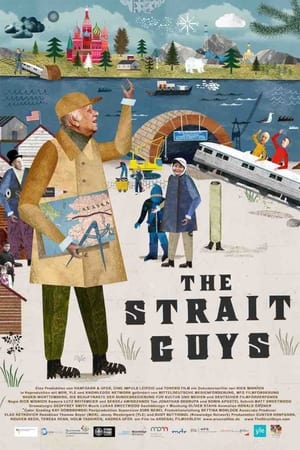
THE STRAIT GUYS follows Czech-born mining engineer, George, and his fast-talking protégé, Scott, along the proposed route of the InterContinental Railway through Alaska, to the Bering Strait and onward to Russia. The “Strait Guys” endeavor to convince international governments, corporations, and indigenous tribes to green-light their $100 billion railway project, which would provide ground-based infrastructure across the continents, relieve overcrowded Pacific ports, improve global supply chains, and ease tensions between the superpowers. The US and Russia have been successfully collaborating in space for decades. Now the Strait Guys are out to prove it is also possible down here on earth.
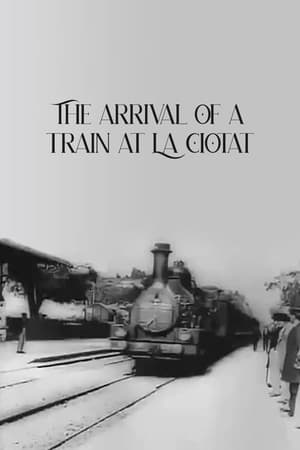
A group of people are standing along the platform of a railway station in La Ciotat, waiting for a train. One is seen coming, at some distance, and eventually stops at the platform. Doors of the railway-cars open and attendants help passengers off and on. Popular legend has it that, when this film was shown, the first-night audience fled the café in terror, fearing being run over by the "approaching" train. This legend has since been identified as promotional embellishment, though there is evidence to suggest that people were astounded at the capabilities of the Lumières' cinématographe.
A day in the city of Berlin, which experienced an industrial boom in the 1920s, and still provides an insight into the living and working conditions at that time. Germany had just recovered a little from the worst consequences of the First World War, the great economic crisis was still a few years away and Hitler was not yet an issue at the time.
In Prohibition-era Chicago, musicians Joe and Jerry witness a mob hit, and flee the state in an all-female band disguised as Josephine and Daphne, but further complications set in.
A ritual in the form of a film essay that explores, through collage, the sense of exile experienced during early childhood migration. It examines the primal configuration of detachment from one’s homeland, family environment, and body, and the reclamation of origins as a symbolic center.