Based on the operetta of the same name by Carl Milöcker. The residents of an Austrian town decide to teach their eccentric mayor a lesson. A young fisherman dresses up as the famous bandit Gaspare and goes to see the mayor. The mayor, terrified, flees from "Gaspare" and commits a series of ridiculous acts, becoming the laughing stock of the whole town.
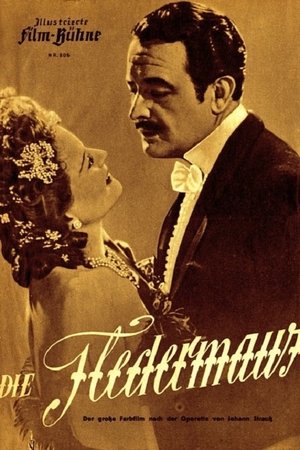
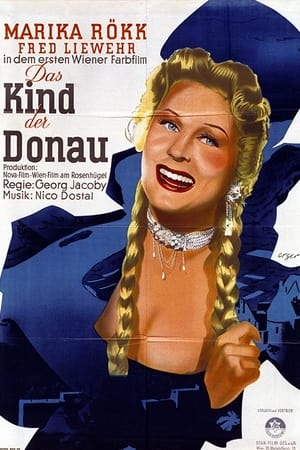
Without his brother's knowledge, Joseph Schrammel popularizes his songs in Vienna. When Johann learns of this, a dispute breaks out between the siblings and their two fellow musicians, which can only be resolved with the help of the singer Fiakermilli. The reconciled quartet then performs under the name "Die Schrammeln" and becomes famous. But another dispute is already looming.
During the French Revolution, a surprising company shares a coach, trying to catch up something - the time itself, perhaps.
After a 15-year absence, the famous actress' expatriate husband returns to Hungary to settle their divorce. The actress is rehearsing the role of a young boy back home when her husband walks in. Seeing the little boy, the husband thinks that Janika is his child, but the actress fails to inform him of the mistake.
To take a revenge on countess Laura, who slapped him at his proposal, the Governor of the occupied Poland gets her fall in love with a poor student, and exposes him during wedding banquet.
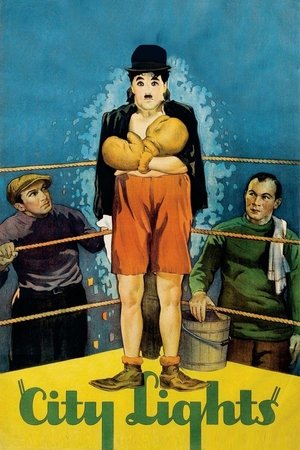
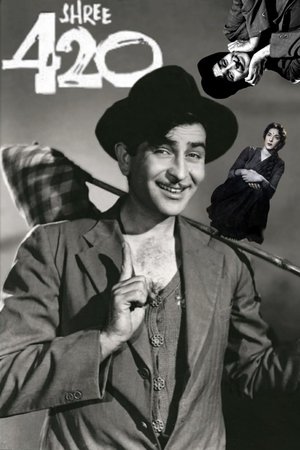
A bumbling tramp desires to build a home with a young woman, yet is thwarted time and time again by his lack of experience and habit of being in the wrong place at the wrong time..
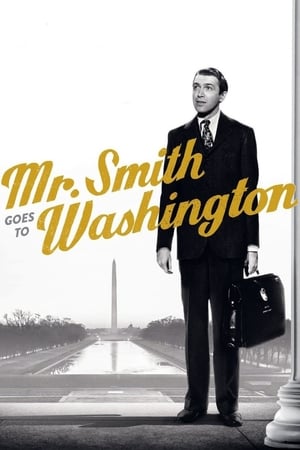
After the death of a United States Senator, idealistic Jefferson Smith is appointed as his replacement in Washington. Soon, the naive and earnest new senator has to battle political corruption.
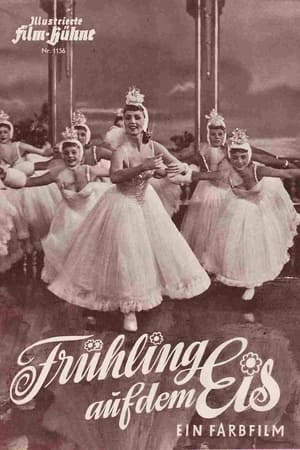
The young ice skating talent, Liesl, lands a part in a new Revue at the Palast Theatre simply because she is confused with someone else. In reality, the roll was to be awarded to Lu Panther, the untalented girlfriend of the theatre's owner, Wildner. After a series of accidents and little disasters, Wildner shuts down the theatre before the Revue can take place. But the Revue's director, Ernst Eder, decides shortly thereafter to present the Revue on an ice skating rink belonging to Liesl's uncle. After a successful run, at first at the Wiener Prater, the performers move on to Spain, Hungary, and a night club with a Jazz orchestra. The Revue becomes a huge success ... and, of course, Ernst and Liesl end up together, too.
A kind-hearted young man is thrown out of his corrupt home town of West Rome, Oklahoma. He falls asleep and dreams that he is back in the days of olden Rome, where he gets mixed up with court intrigue and a murder plot against the Emperor.
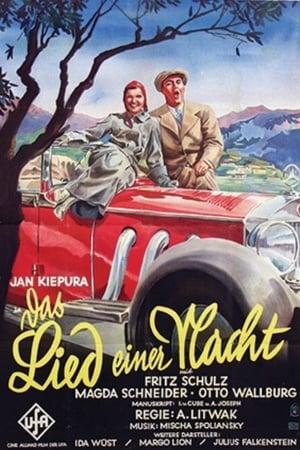
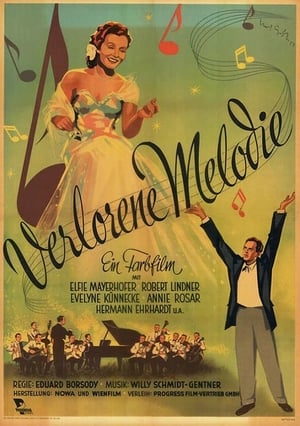
The young opera singer Carla is in love with the talented young composer Michele, who wants to make it big with classical music and writes his first opera, "The Return of Odysseus," for Carla. But Carla is more successful than he is and gets a gig at La Scala in Milan. Through her connections, she manages to find a publisher for Michele's opera. But when Michele learns what the publisher really thinks of his work, he leaves and abandons Carla. A year later, Carla finds Michele again. He has since become a sought-after composer, but is embittered because he is only successful with pop songs. His new revue "Dream Music," a reworking of his opera, is about to premiere. Carla then arranges for Michele's original opera to premiere in Budapest with her in the lead role.
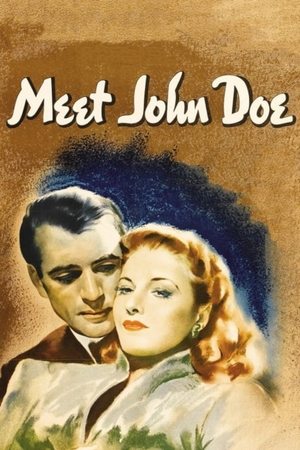
As a parting shot, fired reporter Ann Mitchell prints a fake letter from unemployed "John Doe," who threatens suicide in protest of social ills. The paper is forced to rehire Ann and hires John Willoughby to impersonate "Doe." Ann and her bosses cynically milk the story for all it's worth, until the made-up "John Doe" philosophy starts a whole political movement.
A young man asks a hat check girl to pose as his fiancée in order to make his dying father's last moments happy. However, the old man's health takes a turn for the better and now his son doesn't know how to break the news that he's engaged to someone else, especially since his father is so taken with the impostor.
A marching band of Germans, Italians, and Japanese march through the streets of swastika-motif Nutziland, serenading "Der Fuehrer's Face." Donald Duck, not living in the region by choice, struggles to make do with disgusting Nazi food rations and then with his day of toil at a Nazi artillery factory. After a nervous breakdown, Donald awakens to find that his experience was in fact a nightmare.
The two pigs building houses of hay and sticks scoff at their brother, building the brick house. But when the wolf comes around and blows their houses down (after trickery like dressing as a foundling sheep fails), they run to their brother's house. And throughout, they sing the classic song, "Who's Afraid of the Big Bad Wolf?".
During a hold-up in the Wild West, Dakota kills a rich old Chinese man, Wang. Later, he is captured, sentenced, and is about to be hanged - and he never profitted from Wang's death, has he buried him with the photographs of his four widows, and a few worthless papers. Meanwhile, Ho comes to America in search of his uncle's fortune, and must get Dakota free, as he his the only man who can lead him to Wang's tomb. They open the tomb, retaking the pictures of Wang's widows. It happens he reads the papers and knows that Wang had one quarter of a map tattooed in each of his women's buttocks. Now, the difficult part will really start... Treasure hunt.
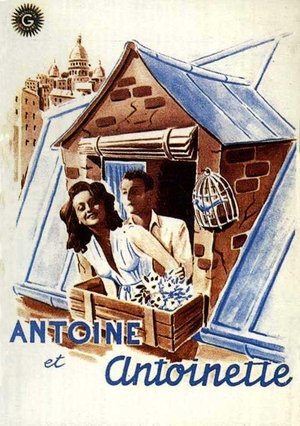
1947, in France, Antoine and Antoinette, a young couple living in Paris, lead a monotonous existence: he works in a print shop while she is a shop assistant. But one evening, they regain hope: Antoine finds a winning lottery ticket in his girlfriend's handbag. He decides to cash it in, but loses his wallet. What follows is a series of twists and turns that redefine the couple's priorities while forcing them to remain optimistic.
Athletes secretly rehearse a water show in the pool at night to prevent the pool from being demolished and to get more people interested in swimming.
The Emperor's mismanagement of his country is provoking some in his court to plot to overthrow him. He feels successful, at least, when he discovers the legendary Golem, which he believes can protect him and even cure his imaginary illnesses but, when he disappears while on a bender, his kindly baker, who looks just like him, is mistaken for him, and begins to put things in order. However, the conspirators, not to be outdone, determine to bring the Golem back to life to do their bidding.
Diederich Heßling is scared of everything and everyone. But as he grows up, he comes to realize that he has to offer his services to the powers-that-be if he wants to wield power himself. His life motto now runs: bow to those at the top and tread on those below. In this way, he always succeeds: as a student in a duel-fighting student fraternity and as a businessman in a paper factory. He cajoles the obese district administrative president Von Wulkow and wins his favor. He slanders his financial rivals and hatches a plot with the social democrats in the town council. On his honeymoon with his rich wife Guste, he finally finds a chance to do his beloved Kaiser a favor. And when a memorial to the Kaiser is unveiled in the town where Diederich lives and works, he delivers the address. He stands behind the lectern in the pouring rain, saluting his Kaiser. The crowd is dispersed. Everything is laid in ruins...
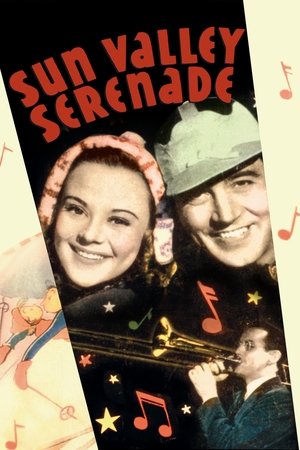
When Phil Corey's band arrives at the Idaho ski resort its pianist Ted Scott is smitten with a Norwegian refugee he has sponsored, Karen Benson. When soloist Vivian Dawn quits, Karen stages an ice show as a substitute.