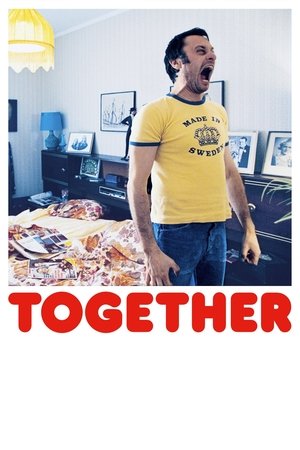
Mexican immigrant and single mother Flor Moreno finds housekeeping work with Deborah and John Clasky, a well-off couple with two children of their own. When Flor admits she can't handle the schedule because of her daughter, Cristina, Deborah decides they should move into the Clasky home. Cultures clash and tensions run high as Flor and the Claskys struggle to share space while raising their children on their own, and very different, terms.
In early 1860s New York, Irish immigrant Amsterdam Vallon is released from prison and returns to the Five Points, seeking revenge against his father's killer, William Cutting, a powerful anti-immigrant gang leader. He knows that revenge can only be attained by infiltrating Cutting's inner circle. Vallon's journey becomes a fight for personal survival and to find a place for the Irish people.
In California, a Mexican-American laborer is falsely accused of shooting the racist farmer he was working for after the farmer stiffed him with a bad check.
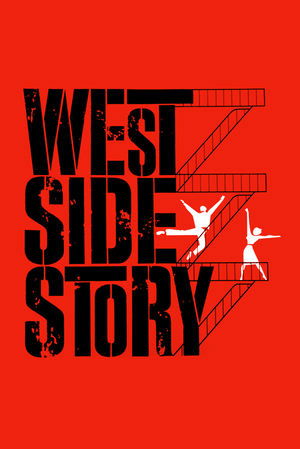
In Manhattan’s Upper West Side, rival gangs of Polish-Americans and newly arrived Puerto Ricans clash for control of the neighborhood, even as two young members from opposite sides fall dangerously in love.
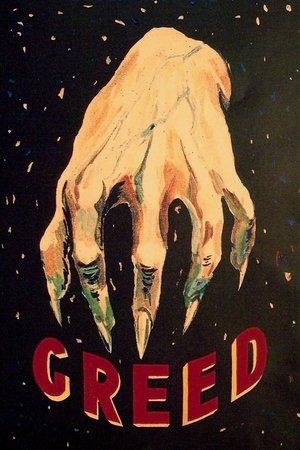
When housewife Trina wins the lottery, her comfortable life with her dentist husband John slowly deteriorates, in part by her own increasing paranoia and partly by the machinations of villainous acquaintance Marcus.
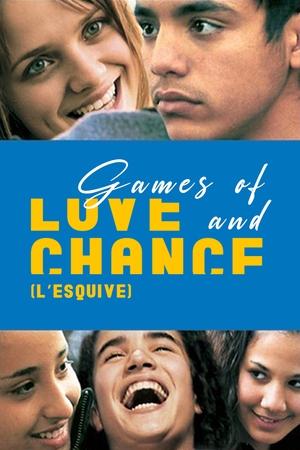
A group of teenagers living in a housing project in the outskirts of Paris rehearse a scene from Marivaux's play of the same name. Krimo is determined not to take part, but after developing feelings for Lydia, he quickly assumes the main role and love interest in the play.
A Polish-Jewish family comes to the U.S. at the beginning of the twentieth century. There, the family and their children try to make themselves a better future in the so-called promised land.
Marcy Meyers is down on her luck. Faced with piling bills, the remnants of a failed marriage, and now an imminent home foreclosure, she has nowhere to turn but to the hope of a miracle. That miracle she finds in Shoot the Moon, a national game show that promises a one in a lifetime chance to win it all. But Marcy's faith in the show comes with a price. As her relationship with her daughter Alice is put to the test, the clock ticks towards a seemingly inescapable fate. Shoot the Moon tells the story of miracles and the extraordinary place they are found.
This beautifully understated Western is the story of a son raised by two fathers, one from the European East and one from the American West. On the cusp of the 20th century, somewhere on the American frontier, Igor, an immigrant and recent widower, struggles to raise his two-year-old son Ivo on his own. When his American friend and mentor Duncan decides to move his horse-breeding business and young family to California, Igor and Ivo join the wagon train headed West.
A young journalist, an experienced cameraman and a discredited reporter find their bold plan to capture Bosnia's top war criminal quickly spiraling out of control when a UN representative mistakes them for a CIA hit squad.
Friends Tepper, Quigley, Fishman, and Bolan get together for a weekly poker night with two simple rules: Everyone contributes a lottery ticket to the pot, and no one checks the numbers until the game ends. But this particular, stormy night is different: Tepper plans to propose to his girlfriend, and just before the weekly game, he finds a wallet outside his apartment with a winning lottery ticket worth $6 million. Tepper calls the wallet's owner, Avery, to come collect what's his, but keeps the winning ticket for himself...only for Avery to show up and ask to play a hand.
Sister's Keeper
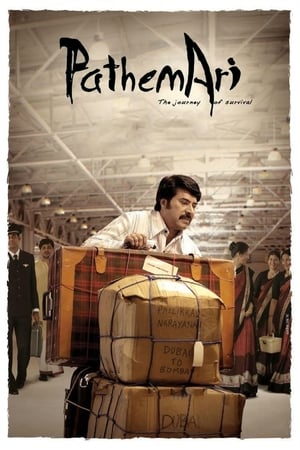
Every night while the city sleeps, Ahmad, a former Pakistani rock star turned immigrant, drags his heavy cart along the streets of New York. And every morning, he sells coffee and donuts to a city he cannot call his own. One day, however, the pattern of this harsh existence is broken by a glimmer of hope for a better life.
In the Swedish city of Lethe, people from different walks of life take part in a series of short, deadpan vignettes that rush past. Some are just seconds long, none longer than a couple of minutes. A young woman remembers a fantasy honeymoon with a rock guitarist. A man awakes from a dream about bomber planes. A businessman boasts about success while being robbed by a pickpocket, and so on. The absurdist collection is accompanied by Dixieland jazz and similar music.
As children in the loving Ekdahl family, Fanny and Alexander enjoy a happy life with their parents, who run a theater company. After their father dies unexpectedly, however, the siblings end up in a joyless home when their mother, Emilie, marries a stern bishop. The bleak situation gradually grows worse as the bishop becomes more controlling, but dedicated relatives make a valiant attempt to aid Emilie, Fanny and Alexander.
Tobias is the new, idealistic priest in a suburb but he soon learns that his flock is quite uninterested in Christianity. However, he befriends Carolina, a chain smoking woman his age, wheelchair-bound since birth. It is opposites attract although their backgrounds are different.
Philipp wishes to give his terminally ill father Walter one last treat. To coax him out of his hospital bed he tells a white lie: Philipp pretends that his father has won the lottery.
Mia returns from Stockholm to her parents' home in a small town in Dalecarlia (Dalarna) to celebrate her father's 70th birthday. Her elder sisters Eivor and Gunilla welcome her, but their different lifestyles prevent them from really communicating. The tension builds, and the party that should be a celebration turns out to be a turning point for the family and their friends
Samba migrated to France 10 years ago from Senegal, and has since been plugging away at various lowly jobs. Alice is a senior executive who has recently undergone a burnout. Both struggle to get out of their dead-end lives. Samba's willing to do whatever it takes to get working papers, while Alice tries to get her life back on track until fate draws them together.
The Topalović family has been in the burial business for generations. When the 150-year-old Pantelija dies, five generations of his heirs start to fight for the inheritance.