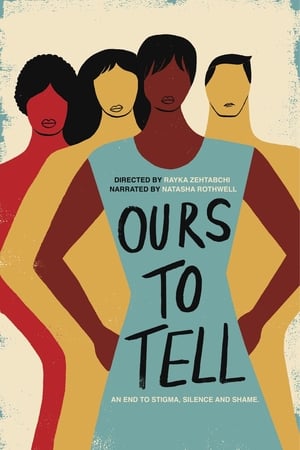
In America women can go to jail for their husbands’ crimes, men are allowed to marry ten-year-olds, and abortions in some states are illegal, even in cases of rape. Documentary filmmaker Brice Lambert journeys through the American South and meets women who are at the receiving end of the attack on women’s rights since Donald Trump’s return to power.
Women talk about the circumstances that drove them to seek illegal abortions and the often traumatic result. Interwoven with historical photographs and newsreel footage, the stories expose how the reality of women's lives were counterposed to what was socially and morally expected of them.
"What Donald Trump’s win means for abortion, immigration, foreign policy, and more. "Donald Trump, the 45th president of the United States, will also be its 47th president. After voting him out of office in 2020, American voters changed their minds, opting for a return to his policies and his politics. "But the second Trump presidency will look very little like the first. His policies have evolved, his circumstances have changed, and he will be returning to office with a much more focused plan than the one he entered with eight years ago. "In this video, we ask six Vox reporters what we should expect from Trump’s second term, on topics from foreign policy to abortion" (Vox).
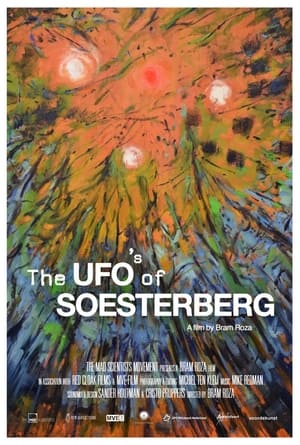
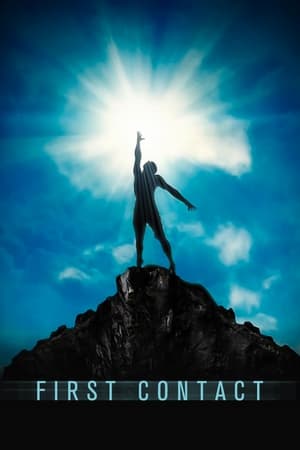
After a close encounter with a UFO, a man becomes a trance channel for an extraterrestrial entity, which leads to a deeper investigation on the nature of reality and mankind's place in the cosmos.
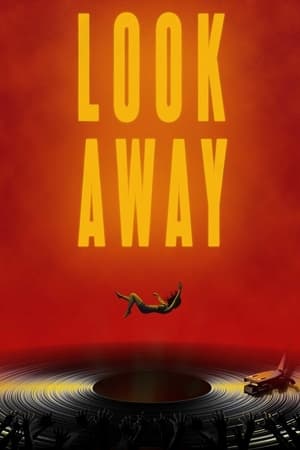
The story of the black, gay origins of rock n' roll. It explodes the whitewashed canon of American pop music to reveal the innovator – the originator – Richard Penniman. Through a wealth of archive and performance that brings us into Richard's complicated inner world, the film unspools the icon's life story with all its switchbacks and contradictions.
Four people - Brittany, Hannah, Nick, and Ylonda - tell their stories about how access to abortion in their community helped them empower themselves to lead lives they want to live.
A film that delves into director Jean Carlomusto's family history by trying to find out if the rumors about her grandmother's death -- trying to rid herself of an unwanted pregnancy in 1939 -- are true.
Gloria Allred overcame trauma and personal setbacks to become one of the nation’s most famous women’s rights attorneys. Now the feminist firebrand takes on two of the biggest adversaries of her career, Bill Cosby and Donald Trump, as sexual violence allegations grip the nation and keep her in the spotlight.
Sally Ride's groundbreaking journey as the first American woman in space concealed a deeply personal story. Her life partner, Tam O'Shaughnessy, unveils their covert 27-year romance and its accompanying sacrifices.
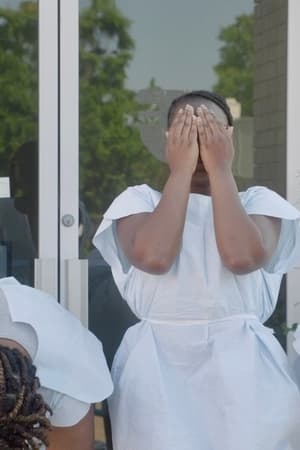
Intimate confessions, paired with experimental choreography outside a woman’s clinic in Memphis, offer a glimpse into post Roe v. Wade America.
Les trente courageuses de La Réunion, une affaire oubliée
"Have you ever regret about not having kids?" - "Yes, I have, Sometimes"
This film is made up of interviews from preteens to adults discussing their thoughts and feelings on sex, relationships, and parenting in relation to teen pregnancy.
The film delves into the reality of frontline workers who protect the right to abortion, an unprecedented access. Their stories are accompanied by powerful testimonies from women who have experienced a termination of pregnancy, breaking the silence and isolation.
Our modern civilization is likely to be confronted with the biggest paradigm shift in the perception of reality ever, and through our productions we wish to bring insight from the forefront of this development.
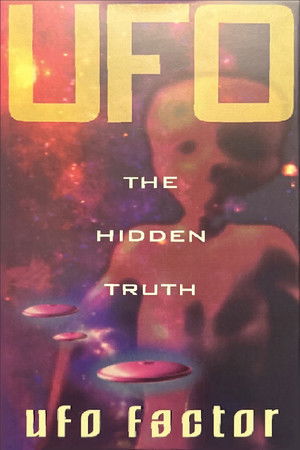
The story of UFO Factor is the fascinating history of the last one hundred years of UFO sightings. Despite various sightings from such diverse places as Spain, Italy, Peru, Brazil, Mexico, Oregon, and New York State, the government and the air force still claim that all Unidentified Flying Objects are either man made objects or natural occurrences. Nevertheless, people continue to report these sightings on a regular basis. Through actual footage, eye witness encounters, and recreations of close encounters, this program documents and explores the vast and varied world of UFO's.
Millions have seen the photograph, and no one who has seen it will ever forget it. A naked woman, dead from a botched illegal abortion, lying on a motel room floor. The picture appeared in Ms. Magazine in April 1973, and quickly became a symbol for the abortion rights movement. LEONA'S SISTER GERRI tells the dramatic story of Gerri Santoro, a mother of two and the "real person" in the now famous photo. Should the media have used this image? What circumstances led to Gerri's tragic death? Powerfully addressing issues of reproductive rights and domestic violence, this video is a moving portrait of Gerri Santoro's life and society's response to her death.
Portrait of pioneering LGBT filmmaker Lionel Soukaz, who passed away in February 2025. His work lies at the crossroads of several film traditions that rarely intersect: experimental, activist, pornographic, and diary film. Based on both public and private interviews with Lionel Soukaz.
For decades, Le Tango, a legendary LGBTQ+ dance hall in Paris’s Marais district, welcomed everyone who loved to dance, regardless of gender or orientation. When the building was put up for sale in 2020, its music stopped, threatening to erase a vital community refuge. This documentary traces both the vibrant history and the fierce fight to save this iconic space. Through personal stories from regulars and activists—Grégoire, Giovanna, Christian, Livia, and others—the film revisits nights of drag balls, Dalida tributes, and joyous Madisons, revealing how Le Tango became a symbol of freedom and belonging. As filmmaker Antoine Vergez follows Hervé and the Tango 3.0 collective’s three-year struggle to reopen the club, the film becomes both a love letter to queer nightlife and a chronicle of collective resistance to cultural disappearance.
At a public hospital in Nicaragua, Ob/Gyn Dr. Carla Cerrato must choose between following a law that bans all abortions and endangers her patients or taking a risk and providing the care that she knows can save a woman's life. In 2007, Dr. Cerrato’s daily routine took a detour. The newly elected government of Daniel Ortega, a former Marxist revolutionary who converted to Catholicism to win votes, overturned a 130-year-old law protecting therapeutic abortion. The new law entirely prohibits abortion, even in cases of rape, incest, or when a woman’s life is at stake. As Carla and her colleagues navigate this dangerous dilemma, the impact of this law emerges—illuminating the tangible reality of prohibition against the backdrop of a political, religious, and historically complex national identity. The emotional core of the story—the experiences and situations of the young women and girls who are seeking care—illustrate the ethical implications of one doctor's response.