In the traditional carnival of the small town called Las Tablas, there are two rival streets: Up Street and Down Street. A young couple, after an unexpected encounter at the airport, fall hopelessly in love.
Three couples, two already living in Rio; and the third, with 'the one who hates carnival', coming to visit an aunt. One of the women bets that all husbands are unfaithful. They send invitations to their husbands to the carnival ball. They find a pretext to be able to attend. They, in turn, go in disguise, just like the maid. Hence the confusion at the ball, each one dating the other's wife.
Three couples meet in the middle of Carnival, trying to get together in the midst of various conflicts that have the biggest party in Brazil as a scenario - and often as a cause.
Each person is a Carnival and Marina knows which one she is. On the slopes of Olinda she seeks the ecstasy of carnival revelry, the music, the shouting, the heat, the joy, the love. Her journey is seen through the eyes of ten different characters, and for each of them a director lends their artistic view. But in the midst of so many people, marching bands, encounters and misencounters, how can we find Carnival?
Amid the explosion of colors, sounds, and excesses of Olinda’s 2025 Carnival, Cuceteiras VII: "Cucesniff?" dives into the behind-the-scenes of a house that becomes the epicenter of partying, chaos, and connection. A group of friends shares a roof during the most intense days of the year, living a routine filled with alcohol, drugs, unexpected guests, and catchphrases that go viral among revelers. Between laughter, hangovers, and confessions, the documentary captures the raw intensity of human connection when the masks come off — or multiply. A chaotic, honest, and irreverent chronicle of youth, freedom, and the unmistakable heat of Pernambuco’s carnival.
Short comedy from the Théophile Pathé company.
Digital influencer Nina finds out about her boyfriend's betrayal and ends the relationship. So, she decides to travel with her friends to Salvador and enjoy the city's Carnival. During this period, they gain more followers and learn the true meaning of friendship.
The Carnival of the Animals returns in a brand new version, directed by Gabriel Alloing, combining music, storytelling, and live visual creations. Composed by Camille Saint-Saëns in 1886, this iconic work is performed here by ten musicians from the Ensemble Est-Ouest and accompanied by original texts by Alex Vizorek, written especially for young audiences. Recorded at the Théâtre Libre in Paris's 10th arrondissement.
Luna sets out on a journey in search of her mother, who disappeared on the last day of Carnival in Guarapari. Her search leads her to an old building that is apparently empty but inhabited by tormented souls.
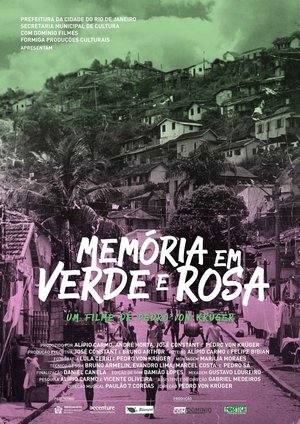
The Mangueira slum is the scenario where Tantinho and the old samba composers remember stories about the slums and samba.
Made for a show beside the seaside in Margate.
Carne de Carnaval
Documentary about the rise and fall of Leandro de Itaquera Samba School, a cultural organization from São Paulo east end that had a major role during the profissionalization of Carnival competition in the city.
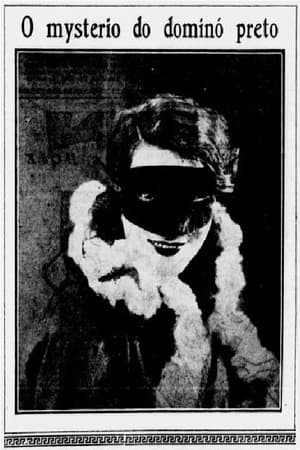
"The Mystery of the Black Domino" was the first film directed in Brazil by a woman, the pioneer Cleo de Verberena. Marcos and Virgílio are medical students and share the same room. At the end of the first night of carnaval, Marcos finds the corpse of a woman, dressed as a black domino, inside the closet and accuses Virgílio of murder. Virgílio defends himself by saying that that was Cleo, wife of Commander Fernando Almeida, and that he found her in the corso asking for help, but Marcos questions Virgílio about the veracity of the story. Lost Film.
Nao ’t Zuuje
Arrivo Rocks
"É o Boi" is a documentary that narrates the origins, portrays the present and discusses the perspectives of carnival in the city of Porto Ferreira/SP. Celebrating a tradition that already is already 90 years old, the film is mainly made up of images taken during the Porto Ferreira's carnival and interviews with people who fight daily to keep this unique and at the same time typically Brazilian cultural manifestation alive. Made over almost a decade, "É o Boi" also portrays critical moments of this carnival in the countryside of São Paulo, including disagreements with public authorities that almost led to the carnival being banned and the impacts of the Covid-19 pandemic on the organization of celebrations.
À Festa. À Guerra.
Meditação de Carnaval
Juana, a young woman in her twenties sets out on a backpacking trip to the northwest of Argentina. Her aim is to find some places and people that appear in a series of photographs that she carries with her. As the adventure goes by, Juana finds out that the deepest meaning of the trip was but the simple fact that she has travelled through the experience itself.