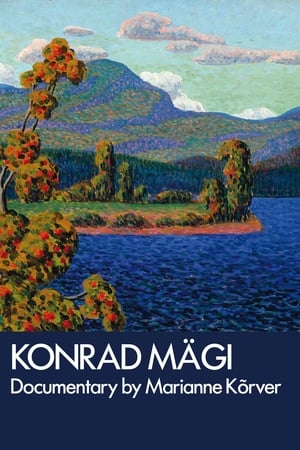
A documentary made for Konrad Mägi exhibition "The Light of the North" in Torino, Musei Reali (2019-2020), about Mägi's life and his legacy.
On the shores of the Gulf of Finland, the ancient Finno-Ugric peoples originated a singing tradition of mysterious power called the Regilaul. These songs are the roots of Estonia’s renowned singing culture. Based on the continuous repetition of eight-syllable verses, they produce a haunting sound able to connect the fleeting present with the eternal circle of life. Against the stunning setting of modern Estonia, this film explores how Regi songs still fire the imagination today, weaving together people and nature through song.
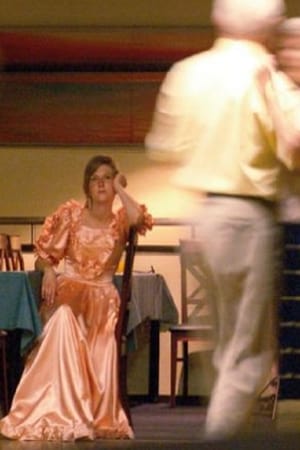
An overdressed girl tries her luck in dance events that are for Finnish tourists in a small Estonian health resort town, Pärnu.
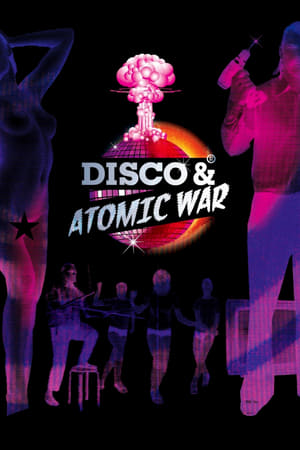
A different history of the Cold War: how Estonians under Soviet tyranny began to feel the breeze of freedom when a group of anonymous dreamers successfully used improbable methods to capture the Finnish television signal, a window into Western popular culture, brave but harmless warriors who helped change the fate of an entire nation.
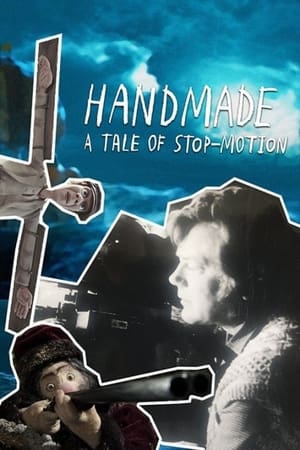
A documentary about an old animation technique and the film studio that tries to carry on the legacy. The worlds oldest animation studio still making film with stop motion technique is Nukufilm located in Tallinn, Estland. Here we can follow the work in the studio which was founded in the Soviet era and has survived heavy censorship and global competition.
Between 1944 and 1953, 170,000 Estonians, Latvians, and Lithuanians put up fierce resistance to the Soviet invasion, hiding deep in the vast Baltic forests. Driven by a dream of freedom, they defied a ruthless empire with few resources but unwavering determination. Through previously unseen archives and the poignant accounts of the last survivors, this documentary reveals their clandestine struggle, their heroic sacrifices, and their legacy, timeless symbols of a desperate fight to escape the Soviet stranglehold and preserve the flame of independence.
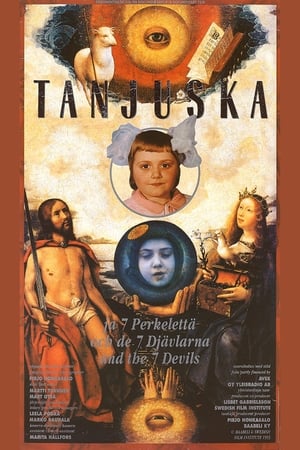
A documentary about Tanjuska who is a 12-year-old White-Russian schoolgirl, with a face like an icon. Two years ago she stopped eating, then talking and finally she stopped growing. The village priest in Estonia has explained to the family that seven devils have made a home inside Tanjuska. These devils are giving her orders and only a daily ceremony can force the devils to leave the girl.
Matsalu Bay in the Baltic Sea is an important stopover for migrating birds and home to many rare plant and animal species. For most of the year, moose roam the marshes and plains of Matsalu, which is a nature reserve and under strict protection.
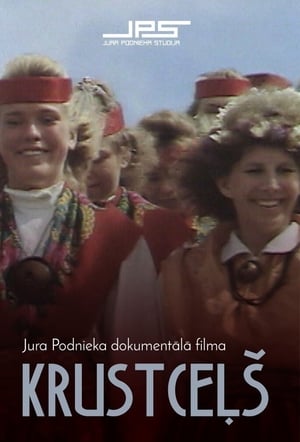
The film is an emotional story about fateful historical events in the 20th century, which took place in three Baltic countries- Latvia, Lithuania and Estonia. The story is also about their efforts to regain independence.
A slice-of-life documentary following Ulla, a blind woman adjusting to life after eye removal surgery. With the help of her guide dog, Laina, she navigates Helsinki while pursuing a prosthetic eye and a deeper understanding of photography.
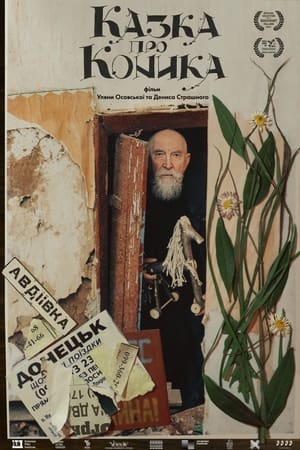
In his own way, Anatoli Ljutuk is a legend of Tallinn's Old Town - a man from Western Ukraine who has built a unique world on Laboratory Street, the main core of which is the Ukrainian Cultural Center and Church. There, he engages in calligraphy, makes paper in a medieval way, carves traditional wooden toys in his workshop and makes books in the spirit of old monasteries. According to the oath taken a quarter of a century ago, he has promised to create something good every day. His daily commitment is challenged by the war that broke out in Ukraine, which Anatoly cannot passively ignore.
2025, the year of the intensification of a total and deadly war, which nothing and no one seems able to stop, targeting military personnel and civilians, and which has now claimed more than 1.5 million lives or left that many wounded on both sides. But 2025 is also the year of our break with Donald Trump's America, an America with violent and unpredictable reactions, which risks abandoning the old continent, its most loyal ally for 80 years, for Vladimir Putin. How can we stop this bloodshed on our doorstep? How can we contain the master of the Kremlin, a dictator whose predatory logic threatens to spread beyond Ukraine? Sabotage, ghost ships, interference operations, and drone flights: he is already waging a hybrid war against the rest of Europe. Is armed conflict between Europe and Russia now a possibility?
In 2009 Maureen & James Tusty, filmmakers for The Singing Revolution, produced a second film out of Estonia. Seen nationally on U.S. Public Broadcasting, this one hour documentary tells the history of Estonia’s massive Song Festival, and the role music plays in Estonian culture, even today.
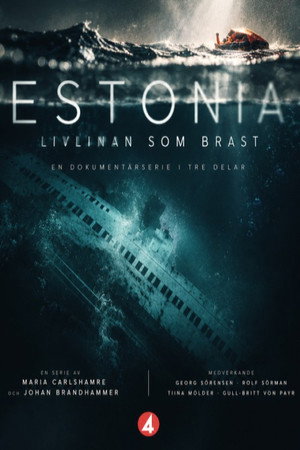
On the evening of September 27, 1994, M/S Estonia set sail from the quay in Tallinn. There were 989 people on board. Only 137 would survive the night. 852 people lost their lives in the biggest disaster in Swedish history and the biggest shipwreck in peacetime Europe. The ship sank in half an hour and most never got out. But what actually happened? And how could that happen?
Occupied Estonia on its way to freedom. Demonstrations, public discussions, a "singing revolution". Goal: more self-determination and autonomy. At a time when almost 50% of the population is Russian, Estonians are fighting to rediscover their nationality. There are protests against Russian paternalism, Estonian is to become the national language again. Relations between the peoples shall normalize in order to enable peaceful coexistence.
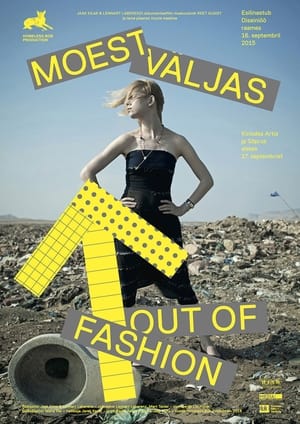
A documentary following an Estonian fashion designer Reet Aus on a global tour to explore the origin process and the environmental footprints of today's fast paced fashion industry. On the road the mission takes an unexpected turn towards trying to introduce her "upcycling" inspired product line to some of the major fashion retailers to increase awareness of the massive resource waste built into the current product lifecycle.
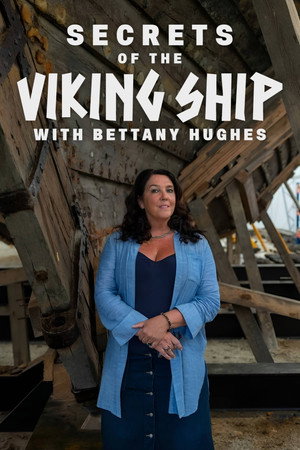
The historian investigates the discovery of a group of Viking graves in the eastern Baltic that date back over 1200 years, predating the established start of the Viking era. Bettany follows the investigation from Estonia to Sweden, uncovering how scientists and archaeologists reconstructed the men's origins, kinship and fate, and uncovered a tantalising question. Could one of these warriors have been the legendary Viking king who inspired an epic saga?
In the same vein as Meri's other documentations, this one takes advantage of the glasnost policy to discuss the social and ecologic impact of the Russian oil industry on the natives and the lands they inhabit.
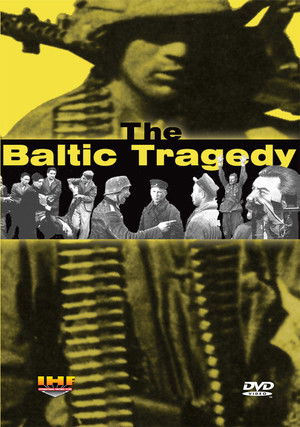
Special care has been taken by International Historic Films to assemble this monumental documentary, which tells the story of what is left for a people after its land has been ravaged by war. Situated between the powerful antagonists Germany and the Soviet Union, the Baltic nations of Latvia, Lithuania, and Estonia bore witness to some of the most ferocious land battles of the Second World War.
The documentary "Kadunud unistus" (“Lost Dream”), directed by Sergei Zjuganov, is the filmmaker’s debut feature. It takes viewers to Estonia in the 1990s - a period when newly regained freedom, the influence of Western car culture, and a rapidly changing society shaped the identity and dreams of an entire generation.