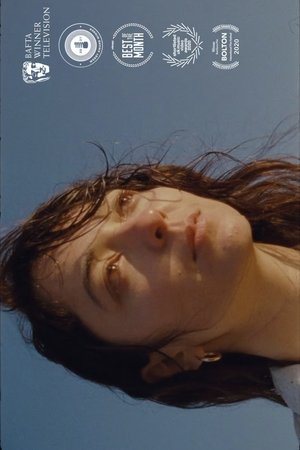
A genre-bending documentary using dance and physicality to explore themes of youthfulness, fear, regret and aging. The star of the show is New York. The perspectives of elderly citizens of NYC are interpreted physically by a younger generation. The words come from real-life interviews recorded with a diverse selection of aging New Yorkers.
A young street hustler attempts to escape the rigors and temptations of the ghetto in a quest for a better life.
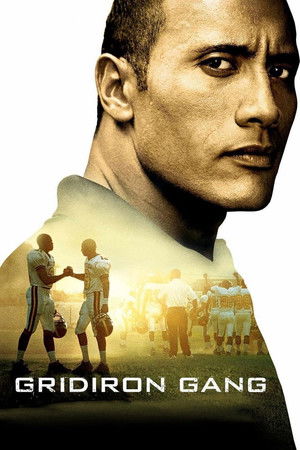
Under the leadership of their counselor, teenagers at a juvenile detention center gain self-esteem by playing football together. Based on a true story.
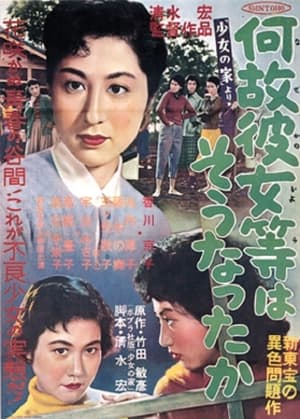
The day to day life in an establishment for delinquent teenage girls.
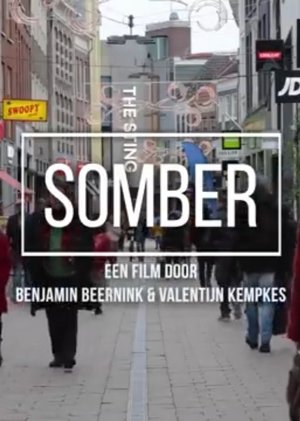
Somber tells the story of three depressed young people, all three in a different phase of the disease. What does depression do to a person? What does it actually mean? And above all, is there a way out?
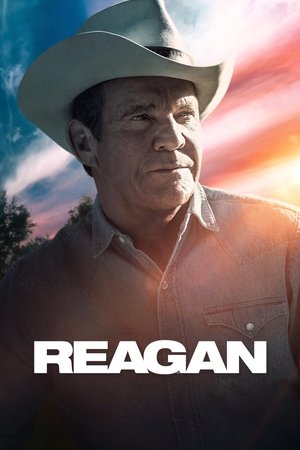
Told through the voice of former KGB agent Viktor Petrovich, whose life becomes inextricably linked with Ronald Reagan's when Reagan first caught the Soviets’ attention as an actor in Hollywood, Reagan overcomes the odds to become the 40th president of the United States.
The follow-up film to “Barstow, California” takes us to the mountains of Miyama, a remote forest and tourist area north of Kyoto. Uwe Walter, a shakuhachi player from Germany, lives there with his wife Mitsuyo for 30 years. Together with the villagers he prepares the annual Gion Festival. On the eve of the festival, the village representatives tell him that his self-built studio is to be demolished. This brings back memories for him of earlier times and his first steps as a Nō actor. In the manner of a fresco, the film interweaves rural depictions of everyday life with the story of its German protagonist. In the village community with its togetherness of generations, Uwe shares life with his neighbours, with farmers, hunters, woodsmen, poultry farmers and anglers, tills his kitchen garden, and like other tradition-conscious villagers, he also grows his rice. The film shows them in a harsh mountain landscape between the rainy season and the first snow.
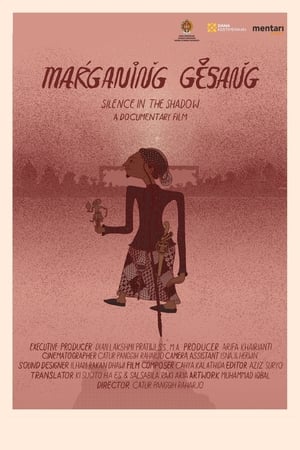
The film chronicles the life of Waluyo, a confident young puppeteer who is fighting to pursue his career. The various obstacles he went through did not make him give up on living life. Even it becomes a lighter to continue working. However, the Covid-19 pandemic strikes and changes his perspectives to survive. He also has to be realistic and has to adjust to the situation.
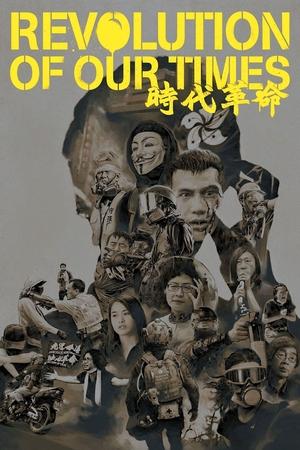
Throughout Hong Kong’s history, Hongkongers have fought for freedom and democracy but have yet to succeed. In 2019, a controversial extradition bill was introduced that would allow Hongkongers to be tried in mainland China. This decision spurred massive protests, riots, and resistance against heavy-handed Chinese rule over the City-State. Award-winning director Kiwi Chow documents the events to tell the story of the movement, with both a macro view of its historical context and footage and interviews from protestors on the front lines.
After his wife Amelia suffers an aneurysm that leaves her bedridden and slowly dying, police officer Carter Summerland searches for a way to revive her. He's approached by Wesley Enterprises pioneering a new program to extend life through robotics, they get caught in a public debate over human’s relationship with technology and her right to exist.
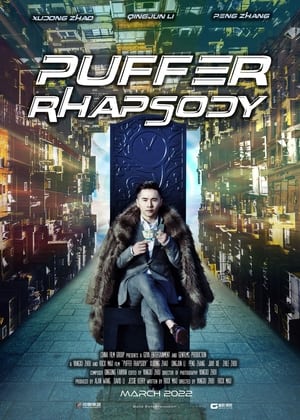
By fabricating her biography, Luo Su, a young Chinese white-collar worker from a low-income family, hopes to wed Mr. Win, an alluring bachelor. But when her mother's shocking TV interview exposes her deceit, she loses everything and ends her own life. Left in limbo, she is mystically given one last opportunity to alter her fate within 72 hours - albeit within the body of a man.
Tobias is the new, idealistic priest in a suburb but he soon learns that his flock is quite uninterested in Christianity. However, he befriends Carolina, a chain smoking woman his age, wheelchair-bound since birth. It is opposites attract although their backgrounds are different.
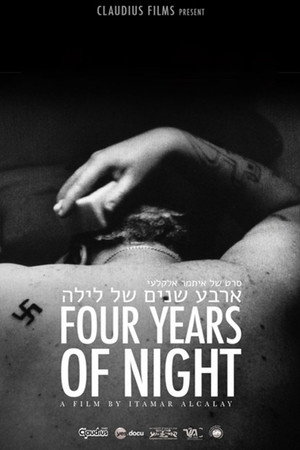
For four years (1977-1981) Esaias Baitel documented a violent Parisian neo-Nazi gang. Having gained their trust, he was able to get close to them. Living among the gang members, he witnessed horrific events, and while hiding his real identity, he photographed a one-of-a-kind collection of gripping stills. Over thirty years have passed. Esaias Baitel has laid his camera down. He returns to the dark nights he spent in the City of Lights, the city where he lived a double life, going back and forth from the gang to the young family he had just started.
Rio de Janeiro. Confronted with the violence that exists in the favela where he lives, Tiago sees the only way out to become a soccer player and, in this way, help his family to have a better life. Although he is the best player in his neighborhood and the chances of being discovered by a scout are good, he faces a number of problems. One of them is Tubarão, the leader of the most powerful gang in the favela, who wants Tiago to work for him as a drug dealer. To complicate matters even more, Tiago falls in love with Juliana, Tubarão's sister.
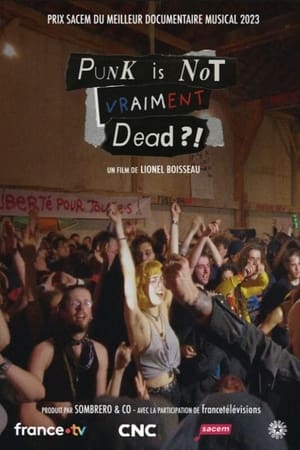
Punk is not vraiment dead ?!
For three decades now, Qatar, this small desert kingdom, has not stopped being talked about; because of its financial power and the secrecy that surrounds it, the royal family that runs it fascinates as much as it frightens.
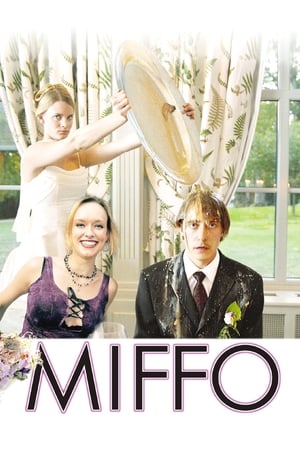
A black comedy set in the 1960s in a small Netherlands community, populated by a cast of eccentrics, all of whom hold a range of sexual obsessions and frustrated desires.
Pushed to the breaking point by Simon, her psychologically abusive boyfriend, Alice becomes an unwitting participant in an intervention staged by her two closest friends while on vacation. As she rediscovers the essence of herself and gains some much-needed perspective, she slowly starts to fray the cords of codependency that bind her. However, Simon's vengeance is as inevitable as it is shattering, and once unleashed, it tests her strength, her courage, and the bonds of deep-rooted friendships.
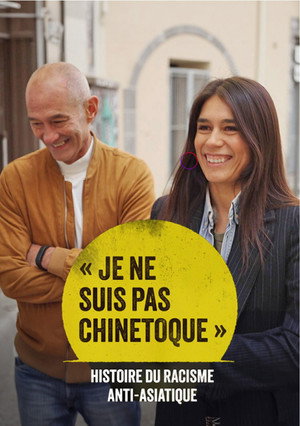
Journalist Émilie Tran Nguyen invites the viewer to follow her in her quest and discover, at the same time as her, the historical origins of this anti-Asian racism. Told in the first person, alternating archive images, interviews with historians, sociologists and field sequences, this film traces the making of prejudices in the French imagination and pop culture, to twist the neck of stereotypes, deconstruct and act.
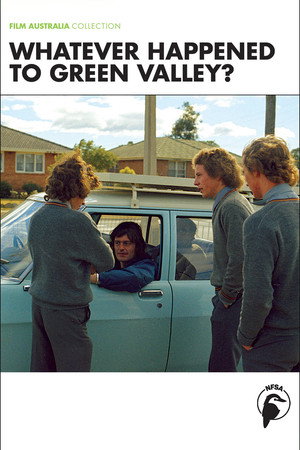
Green Valley was a housing commission estate in western Sydney, much maligned by the media of the day. The residents were hurt by the criticism but lacked access to the media to respond. Supplied with equipment by Film Australia, they used this film to present a different image of themselves and their daily lives. In so doing, they answered the question of "Whatever happened to Green Valley?" The core of this film is the work of half a dozen residents, co-ordinated by acclaimed filmmaker Peter Weir in one of his earliest film projects. Weir also acts as the moderator at a public forum that is included in the film.