Jahan Jahan Charan Pade Raghuvar Ke (English title: Footprints of Lord Rama in His 14 Years Exile) is a 26-episode documentary web series retracing the 14-year Van Gaman of Lord Shri Ram as described in the Ramayana. The series follows the sacred route from Ayodhya to Lanka, documenting over 200 historically and culturally significant sites across India. Filmed on real locations rather than studio recreations, it captures authentic rivers, forests, caves and ashrams linked to Rama’s exile. The first phase covers Ayodhya, Shringverpur, Prayagraj and Chitrakoot, including Ram Ghat, Kamadgiri, Gupt Godavari, Sharbhanga Ashram, Suteekshan Ashram and Viradh Kund. Upcoming schedules extend through Dandakaranya (Chhattisgarh), Panchvati (Nashik), Kishkindha (Hampi) and Dhanushkodi. Produced by Pomy Films, the series is hosted and directed by international award-winning filmmaker Sunil Babbar, blending spiritual reflection with on-ground historical documentation.
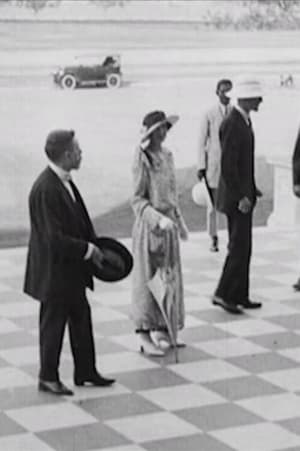
Lady Pamela Lytton, wife of the Governor of Bengal, visits the grand marble Victoria Memorial in Calcutta.
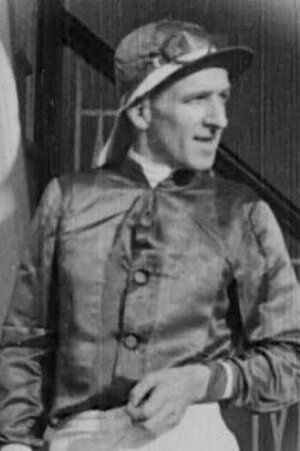
The race is on - for the Viceroy's Cup.
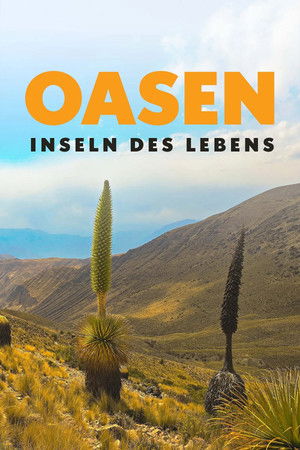
Oases are more than fairytale places in the desert sand. Amidst the stony heights of the Andes, the endless expanse of the Pacific, or the hectic concrete sausages of Mumbai, islands of life flourish. In breathtaking shots, the documentary explores the phenomenon of oases – and the magical places in the Saharan sand are of course included.
In a small village in Darjeeling, Sahuji the merchant has weaved a web of corruption in every layers of the social fabric. And he is also involved in rampant smuggling of goods across the border, and everyone from the local jeweler to the local police inspector are part of his intricate web. While the father has created a position of influence by spreading corruption, his son Kaaliram has ushered in a reign of terror. Desperate villagers make a plea to the owner of the tea garden, who calls (presumably) the higher ups in police force and they promise to send someone.
The Real Story of Fake Democracy. Filmed over three years in five countries, FREEDOM FOR THE WOLF is an epic investigation into the new regime of illiberal democracy. From the young students of Hong Kong, to a rapper in post-Arab Spring Tunisia and the viral comedians of Bollywood, we discover how people from every corner of the globe are fighting the same struggle. They are fighting against elected leaders who trample on human rights, minorities, and their political opponents.
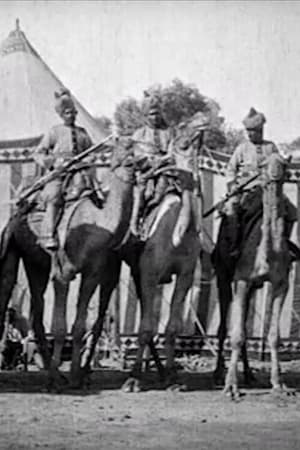
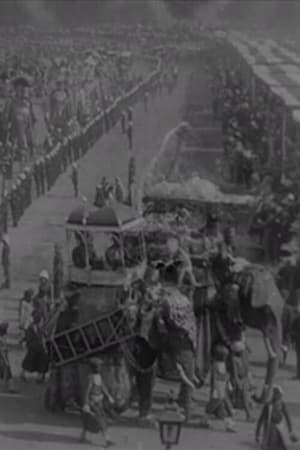
Stately scenes in India, likely filmed during the 1903 Delhi Durbar.
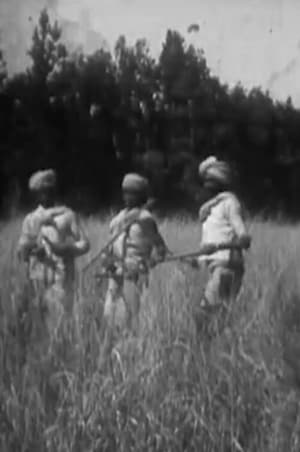
Rural life in the mountainous valley near Gilgit - now in the Northern areas of Pakistan.
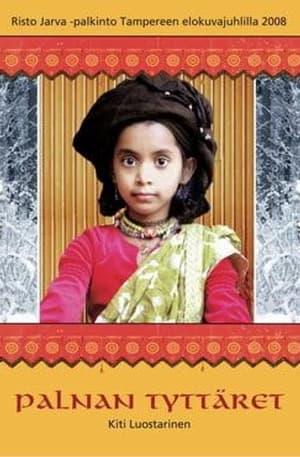
A film about memory, identity and the overwhelming power of love. One-year-old Devi was found starving at a railway station in Delhi. The police took her to Palna, an orphanage, where she lived for a year. When Devi learned to talk she often wanted to talk about Amma, her first mother. In the film, the 6-year-old Devi journeys to her own past, as her family adopts another daughter from Palna, a baby sister for Devi.
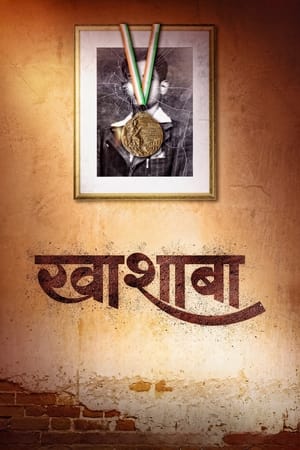
Biopic on freestyle wrestler Khashaba Dadasaheb Jadhav who won a bronze medal at the 1952 Summer Olympics in Helsinki, making him the first athlete from independent India to win an individual medal at the games.
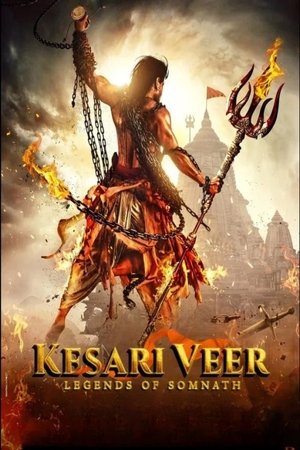
The movie narrates the tale of Hamirji Gohil, a brave warrior who fought against the Tughlaq Empire to protect the Somnath Temple and the Hindu faith.
Aristocracy, army, elephants and more mark the start of the 1903 Durbar.
Armoured elephants, sacred monkeys and a camel carriage from Rajasthan.
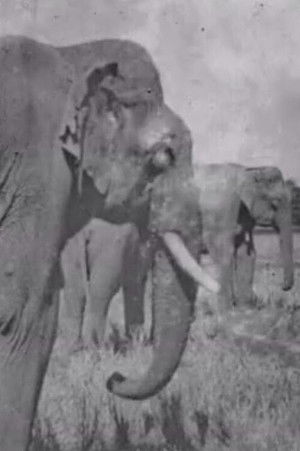
The timber trade calls on animal help.
Varanasi is the Indian city where Hindus go to die. Stretching along the Ganges, Varanasi holds great spiritual significance because Hindu scriptutres say that anyone who dies there will attain moksha—liberation from the cycle of rebirth. Berlin-based director Dan Braga Ulvestad captures life and death in India’s heartland in this moving documentary filled with exquisite cinematic moments. By the River starts its narrative journey with the city’s “death hotels,” dedicated apartments where people wait to die, sometimes for decades, so they can be cremated on the banks of the Ganges.
Aglaé, a young factory worker, has only one focus in life: her job at a car crash test site. When she learns that the factory is going to be relocated abroad, she accepts, to everyone's surprise, to go to India in order to hold on to her job. Accompanied by two colleagues, she sets out on a perilous road trip to the other side of the world.
Lahoriye is the story of love. The love which does not see boundaries, the love which does not see nations. Kikar Singh (Amrinder Gill) is a clerk at DTO office and his family holds a piece of land which is right at the LOC. The people living in Border areas are familiar with the situation. Right across the land in Pakistan is a Kinnow farm where Ameeran (Sargun Mehta) works and live with her family. Kikar falls for Ameeran and slowly slowly even Ameeran falls for Kikar. What follows next is a tale of romance which is worth watching on the big screen.
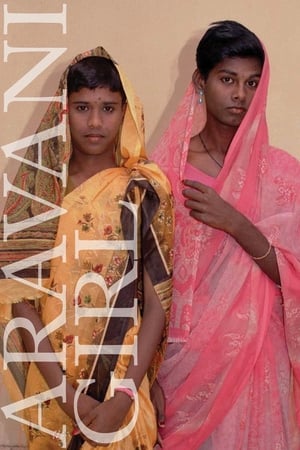
Sixteen year olds Palani and Karthik want to become "ladyboys." They're bullied in school and beaten by their families. Their parents would like to see them grow up as normal boys, but they're falling deeper and deeper into the world of the "Aravanis." Loved as dance performers but hated as homosexuals, their stories emblazon the inner conflicts of India's gender culture today.
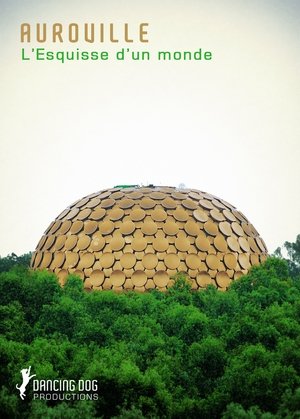
Auroville: L'esquisse d'un monde
The Duke rides an elephant as he ventures on safari in Bengal.