Secret Courage: The Walter Suskind Story
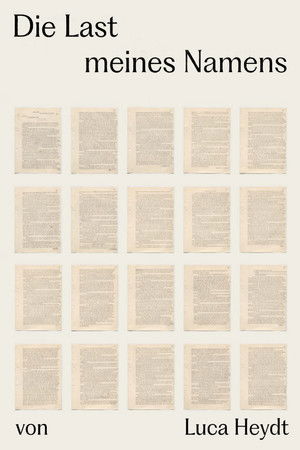
2-channel film installation 'Die Last meines Namens', wherein Heydt deals with an unpleasant part of his own family history. Heydt’s great-grandfather was a member of the NSDAP and mayor of the small town of Haselünne in Emsland for almost 10 years during the Third Reich. Based on interviews with his grandfather and research in various archives, Heydt develops a personal perspective on the subject. The film deals with how we construct identity from oral retellings, how we process family histories, and how we can find current and personal points of access to German remembrance culture. At the heart of the work are two conversations with his grandfather Heinrich Heydt, recorded at different points in the research process. In them, the grandfather describes his memories of his father, the time, and the two reflect on the subject and the results of the research.
102 Years in the Heart of Europe: A Portrait of Ernst Jünger (Swedish: 102 år i hjärtat av Europa) is a Swedish documentary film from 1998 directed by Jesper Wachtmeister. It consists of an interview by the journalist Björn Cederberg with the German writer, philosopher and war veteran Ernst Jünger (1895-1998). Jünger talks about his life, his authorship, his interests and ideas. The actor Mikael Persbrandt reads passages from some of Jünger's works, such as Storm of Steel, The Worker, On the Marble Cliffs and The Glass Bees.
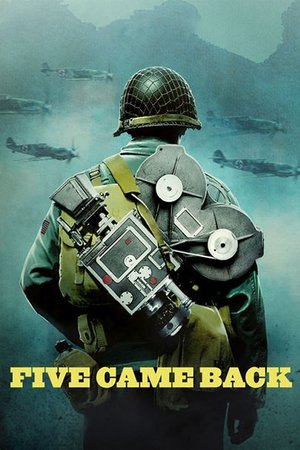
The extraordinary story of how Hollywood changed World War II – and how World War II changed Hollywood, through the interwoven experiences of five legendary filmmakers who went to war to serve their country and bring the truth to the American people: John Ford, William Wyler, John Huston, Frank Capra, and George Stevens. Based on Mark Harris’ best-selling book, “Five Came Back: A Story of Hollywood and the Second World War.”
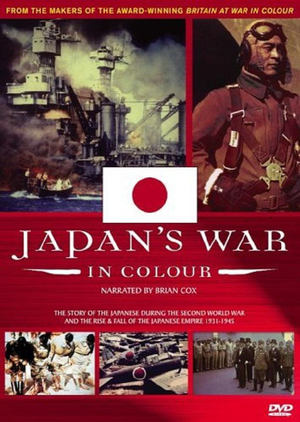
Using never-before-seen footage, Japan's War In Colour tells a previously untold story. It recounts the history of the Second World War from a Japanese perspective, combining original colour film with letters and diaries written by Japanese people. It tells the story of a nation at war from the diverse perspectives of those who lived through it: the leaders and the ordinary people, the oppressors and the victims, the guilty and the innocent. Until recently, it was believed that no colour film of Japan existed prior to 1945. But specialist research has now unearthed a remarkable colour record from as early as the 1930s. For eight years the Japanese fought what they believed was a Holy War that became a fight to the death. Japan's War In Colour shows how militarism took hold of the Japanese people; describes why Japan felt compelled to attack the West; explains what drove the Japanese to resist the Allies for so long; and, finally, reveals how they dealt with the shame of defeat.
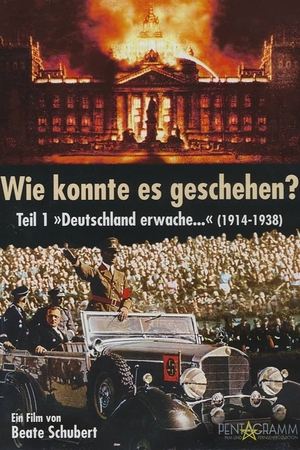
In 1945, 160 German cities lay in ruins and the loss of millions of lives, billions in material assets and countless cultural treasures was mourned throughout Europe... With the question “How could it happen?”, the film goes back to the year 1914, when the “primal catastrophe of the 20th century” took its course with the First World War.
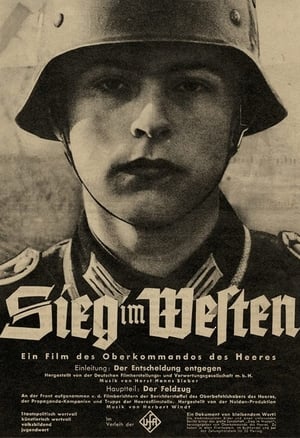
A Nazi propaganda film about the lead up to World War II and Germany's success on the Western Front. Utilizes newsreel footage of battles and fell into disfavour with propaganda minister Goebbels because of it's lack of emphasis on Adolf Hitler.
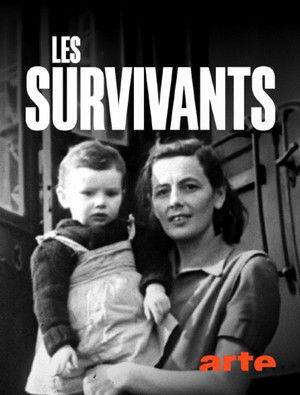
Les survivants, l'impossible départ après la Shoah
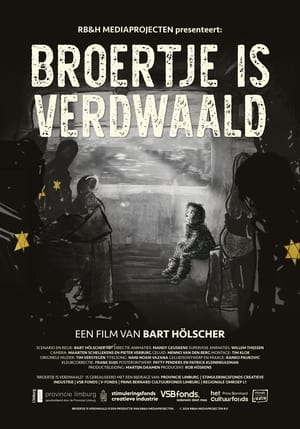
Broertje is verdwaald
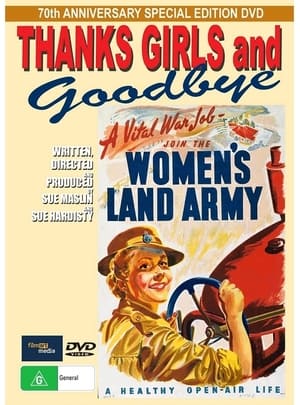
Documentary using archival footage, newsreels and contemporary interviews with women of the WW2 Australian Women's Land Army.
During The Blitz, the British government had plans in place to evacuate approximately 3.5 million people, but only around 1.5 million left towns and cities for the countryside, with the majority of those being children. Children of the Blitz tells the stories of those who remained at home, often to help their families, or because their parents couldn’t bear to send them away. Through the eyes of survivors who were children at the time, the film will explore how The Blitz contributed towards our sense of national identity and how the ‘Blitz Spirit’ is still held up as a defining characteristic of Britishness today. The film will also examine the starker reality for children whose homes were destroyed, including those who lost parents, and some who were left to fend for themselves - many grew up with their stories unheard.
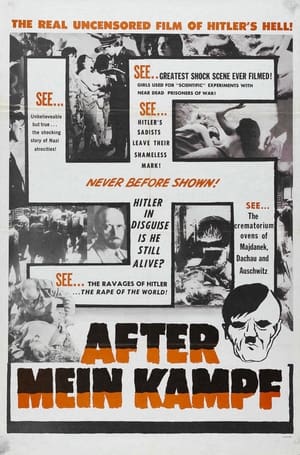
By combining actual footage with reenactments, this film offers both a documentary and fictional account of the life of Adolf Hitler, from his childhood in Vienna, through the rise of the Third Reich, to his final act of suicide in the waning days of WWII. The film also provides considerable, and often shocking, detail of the atrocities enacted by the Nazi regime under Hitler's command.
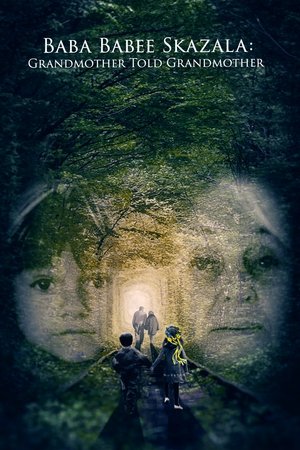
The little-known story of Ukrainian children torn from their homes in the crush between the Nazi and Soviet fronts in World War II. Spending their childhood as refugees in Europe, these inspiring individuals later immigrated to the United States, creating new homes and communities through their grit, faith and deep belief in the importance of preserving culture.
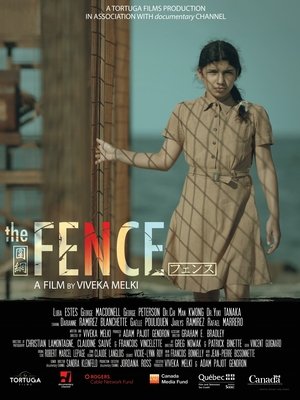
Two thousand Canadians suffered the longest incarceration anywhere in the Second World War, a bitter four-year period inside Japanese POW camps in Hong Kong and Japan.
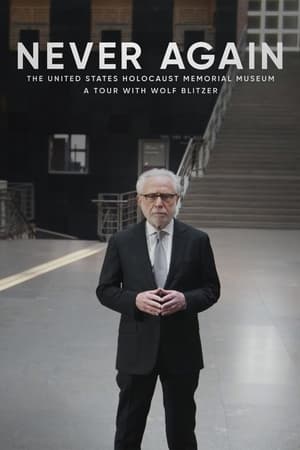
The child of Holocaust survivors, CNN Anchor Wolf Blitzer, takes viewers through the United States Holocaust Memorial Museum and beyond, connecting the hours of the Holocaust and their modern parallels and his family story.
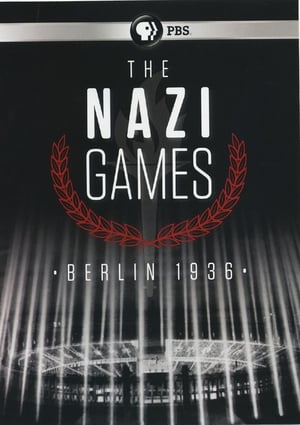
The film chronicles the story of how the Nazis and the IOC turned, to their mutual benefit, a small sports event into the modern Olympics. The grand themes and controversial issues from the 1936 Games have continued to this day: Monumentality, budget overruns, collusion with authoritarian regimes, corruption and sometimes even bribery.
Zakynthos is a Greek island on the Ionian Sea famed for its beauty. It also has the unique distinction of having saved all 275 of its Jewish inhabitants during WWII. In this compelling story, Haim Konstantini, one of the survivors, narrates how the islanders united to ensure the survival of their Jewish population. Two key figures instrumental to the story were Mr. Loukas Kerreri, Mayor of Zakynthos’ capital, and Bishop Chrysostomos, who both refused to list the island’s Jews for the occupying Nazis. They have been recognized as Righteous Among the Nations at Yad Vashem for their bravery.
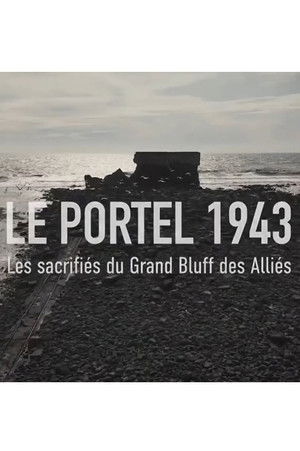
LE PORTEL 1943, Les sacrifiés du grand bluff des Alliés
Documents the little-known heroism of the Belgian Resistance who, during the Nazi occupation, hid over 4,000 Jewish children, rescuing them from deportation and extermination, , often risking their own lives. Directed by Myriam Abramowicz and Esther Hoffenberg, children of parents who spent the war in hiding, the film inspired the creation of The Hidden Child, a world-wide network of hidden children, which, for three decades, has organized reunions of hidden children with the families who hid them in Belgium during WWII.
For twelve years he stood as America's 32nd President, a man who overcame the ravages of polio to pull America through the Great Depression and WWII. From his legendary Fireside Chats to his sweeping New Deal, Franklin Delano Roosevelt revolutionized the American way of life. FDR: A Presidency Revealed examines one of history's most compelling figures. Inspired by his cousin Teddy Roosevelt, Franklin D. Roosevelt rose to the nation's highest office during the depths of one of its darkest periods. A man of few words, he brought a nation together through his revolutionary Fireside Chats. He introduced vast reforms like Social Security and work relief for the unemployed. At the same time, his administration hid a dark underbelly teeming with covert maneuvers, spy rings, and powerful enemies.