The Hoolock Gibbons of Bangladesh have been brought to the brink of extinction by the relentless destruction of their forested habitats throughout the country, even in the most highly protected forest reserves. This species used to number in the tens of thousands, but are now down to the last 200 or so.
Tuna are among the top predators in the oceans. But the hunter is also the hunted: many species are overfished. Can we use the riches of the oceans without destroying them?
Searching for Hainan Gibbons
In a wild and windswept corner of Australia, acclaimed film-maker Simon Plowright spends a year living with the iconic but endangered marsupial, the Tasmanian Devil.
Atlantis is filmmaker Luc Besson's celebration of the beauty and wonder of the world beneath the sea, expanding upon themes touched on in his film The Big Blue. Combining stunning underwater cinematography and a hypnotic score by Eric Serra, Besson's singular vision defies dialogue or narrative structure to explore ocean life as you've never seen it before. Following the colossal success of The Big Blue, Luc Besson crisscrossed the world's seas and oceans to film the beauty and diversity of marine life: from the giant octopuses of Vancouver to the manta rays of the Pacific (New Caledonia), and the grey sharks of Tahiti. A film with no actors or sets other than the underwater world. A breathtaking view of marine species: sharks, dolphins, manatees, octopuses. An exploration of the seabed in the Bahamas, the Galapagos, Vancouver, and Tahiti.
Gibbons are highly intelligent, agile and acrobatic tree-dwelling apes, found in the tropical forests of Asia. Most of the gibbon species are highly endangered and are on the verge of extinction as a result of the destruction of their tropical rain forest habitat as well as being hunted for food.
Rhinos in the Freezer
Documented in television documentaries for over 40 years by the BBC and other broadcasters around the world, the Marsh Pride is the most filmed pride of lions on Earth. In this film, the Marsh Pride battle for survival in Kenya's famous Maasai Mara Reserve, which has become a magnet for tourists, many of them keen to see the pride for themselves. A tale of shifting loyalties, bloody takeovers and sheer resilience, the lions’ story is told by those who filmed them, tried to protect them and lived alongside them, as well as some who ultimately wanted them dead.
David Attenborough chooses his ten favorite animals that he would most like to save from extinction. From the weird to the wonderful, he picks fabulous and unusual creatures that he would like to put in his 'ark', including unexpected and little-known animals such as the olm, the solenodon and the quoll. He shows why they are so important and shares the ingenious work of biologists across the world who are helping to keep them alive.
Documentary following Olly Williams and Suzi Winstanley, two unique wildlife artists who simultaneously work on the same painting of exotic and endangered animals while on location in the wildest corners of the world. The film shows how they work and why what they do is so important.
United by the planet's biggest conservation project -- The Red List -- conservation heroes around the world are risking everything to save giraffe, gorillas, big cats and other endangered wildlife.
This film tells the dramatic story of Megeti, a lone wolf who wanders across the highlands on a quest to find a new home after losing her pack and suddenly being left to fend for herself. For the young wolf to survive, it is vital that she finds a new family and this quest pushes her into foreign territory, occupied by cattle breeders and other wolves.
This story began in the seventies. Then the American ornithologist George Archibald turned to Soviet scientists led by Vladimir Flint with a proposal to cooperate in the protection of the white Siberian crane. This species was little studied and was considered endangered. Since then, we know much more about white cranes. Now on Earth there are two disparate populations of Siberian Cranes. One is East Siberian. These birds nest in the north of Yakutia and migrate to China. There are more than three thousand of them, and in the near future they are not threatened with extinction. A few thousand kilometers away, another population of Siberian Cranes lives. They nest in the lower reaches of the Ob, and fly to India or Iran for the winter. There are only twenty of them left. This film is about how people are trying to save this West Siberian branch of white cranes.
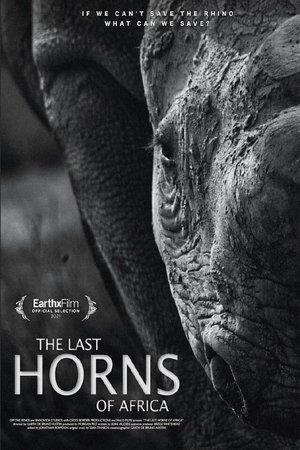
Long a target for poachers, the rhino has been hunted for their horns across Africa. In The Last Horns of Africa, debut documentary feature director Garth De Bruno Austin follows those who are putting their lives on the line to protect the animal, from a hidden rhino orphanage to the Kruger National Park. With unparalleled access the filmmakers have created a compelling documentary that explores conservation, the illegal wildlife trade, and rhino poachers.
Eugen Schuhmacher focuses on endangered and rare animal species such as the European bison and the Northern bald ibis as well as the general fauna of the diverse and species-rich continent of Europe. The need to protect nature and animals is made impressively clear through the power of images.
An unlikely team of activists and innovators hatches a bold mission to save endangered species.
'The Lost Salmon' chronicles the plight and potential recovery of the iconic Spring-run Chinook Salmon of the Pacific Northwest. Faced with extinction in many river systems of the West, a new genetic discovery could aid in their recovery. Once teeming in the millions and a sacrament for the oldest civilizations in the Americas, time is running out for this genetically distinct wild salmon.
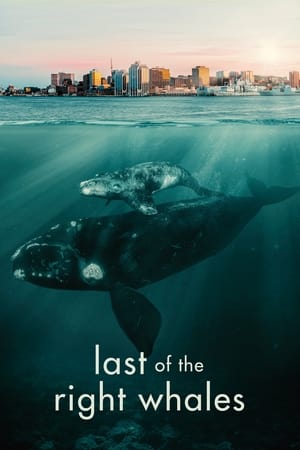
A differing group of people – a wildlife photographer, a marine biologist, a whale rescuer, and a crab fisherman – are united in their goal to save the North Atlantic right whale.
Long ago, red wolves roamed from the bayous of East Texas to the bays of coastal New York. Today, not even 20 remain in the wild—confined to a tiny pocket of habitat in far Eastern North Carolina. This short film uses over four years' worth of National Geographic Explorer Jess Suarez's photographs to tell the imagined story of one young wolf. Raised in captivity, she's eventually released into that last remaining habitat, and in the wild she finds freedom, danger, and the possibility of a new future for her species. Long ago, the red wolf was America's wolf, and with our help they could be again.
An aspiring photojournalist takes a trip to Julian, CA to learn about the history of two wolf species and what caused their population decline throughout history.