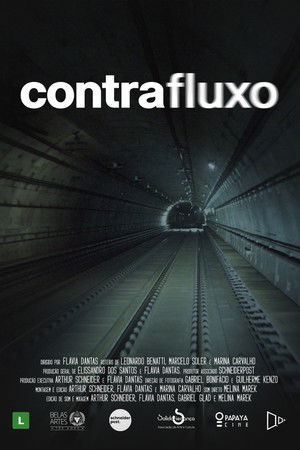
Amidst the paralysis of downtown São Paulo, the film follows the journey of 5 characters to the same place - a common meeting point. The voices and experiences of each reveal something greater: a new perspective on life, movement and art.
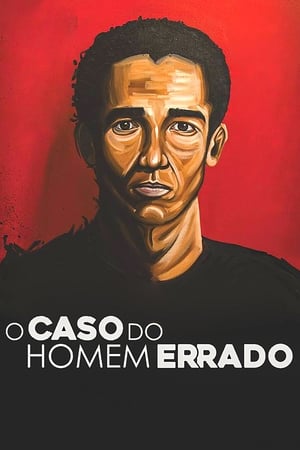
The documentary tells the story of Júlio César, a young Afro-Brazilian who was executed by the Police in the 1980s in Porto Alegre. The crime became notorious when the press published photos of Julius being put alive in the police car and arriving 37 minutes later shot and dead at the hospital.
Uma Nova Paixão
Tapajós Ãgawaraitá
12 Years of League of Legends in Brazil!
The third installment in Dan Přibáň's series of travel documentaries describes the author's journey with his friends across South America in vehicles that are often notorious but cult in their own way. The charming dynamics of the group on screen are further enhanced by the high-quality craftsmanship.
On May 31, 2007, hundreds of armed men, from the Federal Police, in a true war operation, pulled out of the factories, the members of the Factory Commission elected by the workers, swearing in a federal intervener. The workers and their leaders talk about their struggles, day to day in the occupied factories, the reduction of working hours from 44 to 30 hours per week, the agreement with the Chavez government of Venezuela to build a house factory, Petrocasa . They also narrate the terror during the intervention, all kinds of humiliation to which they were exposed, anguish and perspectives.
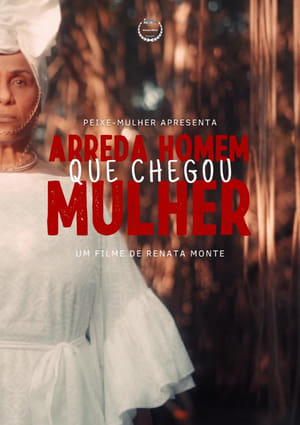
Documentary about terreiro women in Fortaleza who occupy the highest positions in the hierarchy, subverting the patriarchal tradition of religious communities.
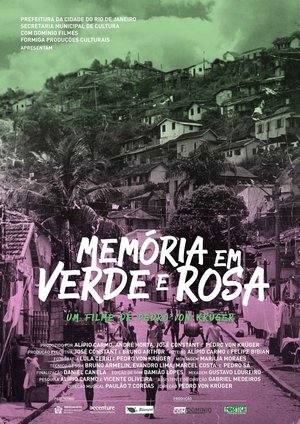
The Mangueira slum is the scenario where Tantinho and the old samba composers remember stories about the slums and samba.
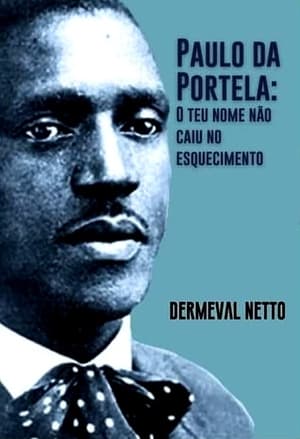
Documentary made to commemorate the centenary of the birth of the legendary Paulo Benjamin de Oliveira, Paulo da Portela.
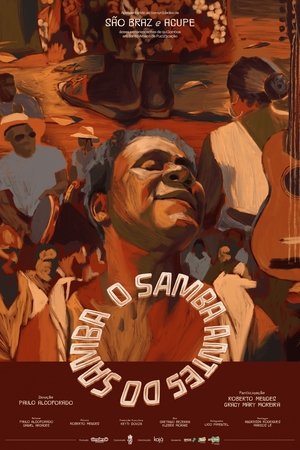
O Samba Antes do Samba
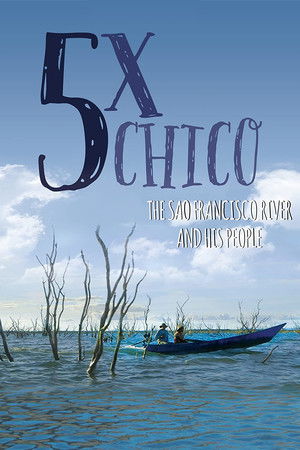
5 Times Chico: The San Francisco River and His People
Bateria Meritíssima TABU 2023
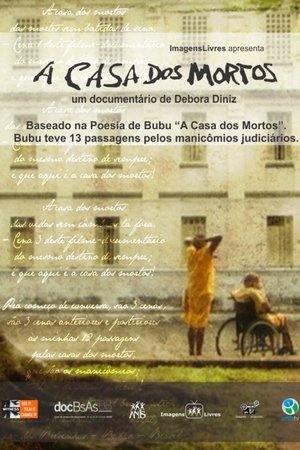
Bubu is a poet who has been committed to state institutions for the insane twelve times. He challenges the meaning of hospital-jails, hybrid institutions which sentence the insane to life imprisonment. The poem "The House of the Dead" was written during the filming of the documentary and reveals the forgotten deaths that occur in these judicial asylums. There are three stories in three acts of death. Jaime, Antonio, and Almerindo are anonymous men, considered dangers to society, whose punishment is the tragedy of suicide, the unending cycle of being committed to the asylum, or surviving life imprisonment in the house of the dead. Bubu is the narrator of his own life and also of his own destiny-death in the asylum.
Meditação de Carnaval
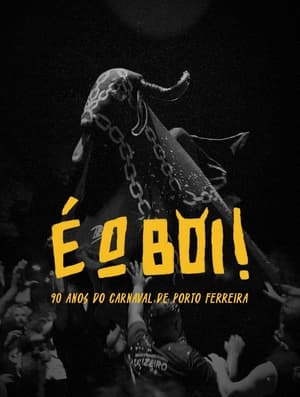
"É o Boi" is a documentary that narrates the origins, portrays the present and discusses the perspectives of carnival in the city of Porto Ferreira/SP. Celebrating a tradition that already is already 90 years old, the film is mainly made up of images taken during the Porto Ferreira's carnival and interviews with people who fight daily to keep this unique and at the same time typically Brazilian cultural manifestation alive. Made over almost a decade, "É o Boi" also portrays critical moments of this carnival in the countryside of São Paulo, including disagreements with public authorities that almost led to the carnival being banned and the impacts of the Covid-19 pandemic on the organization of celebrations.
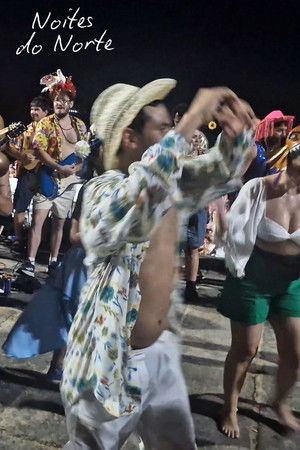
Noites do Norte
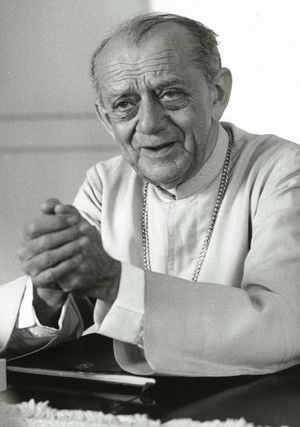
Documentary film about Archbishop Dom Hélder Câmara of Recife & Olinda in Brazil.
Maria José's life story reveals not only the harsh reality she and her family faced, but also a portrait of the real Brazil. Like a butterfly that is born crawling, she finds her beauty where it is not convenient to be found and sets her flight free to the sky.
Mirabal: Um Foco de Resistência